


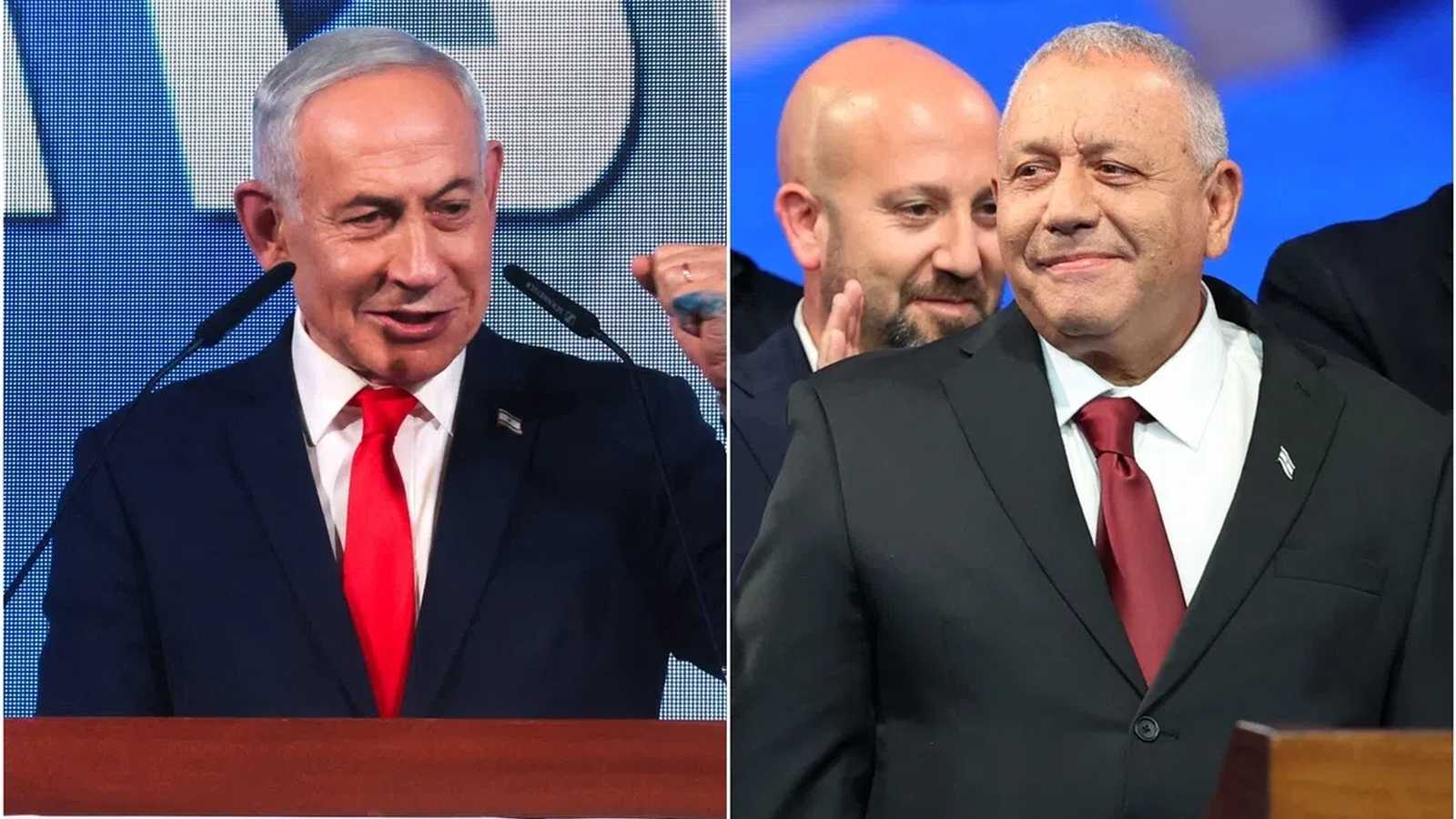
JERUSALEM – Israeli Prime Minister Benjamin Netanyahu and challenger Gadi Eisenkot each staked rival claims to form a government on Oct 28 following a closely contested national election that left parliament deadlocked. According to The Straits Times, voters cast ballots on Oct 27 in the first general election since the Oct 7, 2023, attacks, driving turnout to nearly 78%—the highest level recorded since 1999.
Exit polls broadcast across Israeli television networks showed both Netanyahu’s hard-right camp and Eisenkot’s opposition bloc sitting neck and neck at roughly 51 seats each. Both totals remain far short of the 61-seat majority required to govern in the Knesset, leaving the direction of the country uncertain as official vote tallies continue under the Central Elections Committee.
Rival Addresses and Post-Election Strategy
Speaking to supporters at a convention center in Jerusalem after 3 a.m., Netanyahu stopped short of a direct victory declaration. Instead, the 77-year-old incumbent called for a unified “strong government of the right” and highlighted military actions taken during his tenure. He also hinted at readiness for a renewed campaign against Iran alongside US President Donald Trump, asserting that Israel shares a unique opportunity to eliminate existential threats.
Meanwhile, Eisenkot addressed his supporters in Tel Aviv, issuing a sharp warning against using national security for political survival. Eisenkot described Netanyahu as a “caretaker prime minister, without a mandate or the people’s trust” and urged him to accept a public vote of no confidence. While Eisenkot shares certain security positions regarding regional conflicts, he campaigned on reforming domestic policy and reining in extremist factions.
The Kingmaker Role of Arab Israeli Parties
A critical factor in the legislative deadlock is the surge in participation among Arab Israeli voters. Exit polls projected that Arab-led lists could secure 17 to 18 seats, driven by widespread opposition to Netanyahu’s hard-right platform and rhetoric. Prominent Arab leader Mansour Abbas indicated openness to cooperating with Eisenkot to block the right wing from retaining power.
However, forming a viable governing coalition remains fraught with obstacles. Eisenkot previously stated he would not formally govern alongside Arab lawmakers, though they could potentially provide external support in parliamentary votes to sustain a minority administration. Conversely, far-right figures like Itamar Ben-Gvir warned Netanyahu against pursuing a unity government with Eisenkot, labeling any such coalition a severe political miscalculation.
Stakes and Institutional Next Steps
The electoral stalemate unfolds against a backdrop of deep domestic polarization and international isolation stemming from ongoing military campaigns in Gaza and Lebanon. Netanyahu also faces unresolved domestic corruption charges and an International Criminal Court arrest warrant, compounding the personal and political stakes of the leadership contest. With neither major bloc securing a definitive majority, Israel faces the prospect of protracted coalition negotiations or potentially heading toward an unprecedented repeat election if parliamentary compromise fails.