


Diplomatic Friction Over F-35 Program
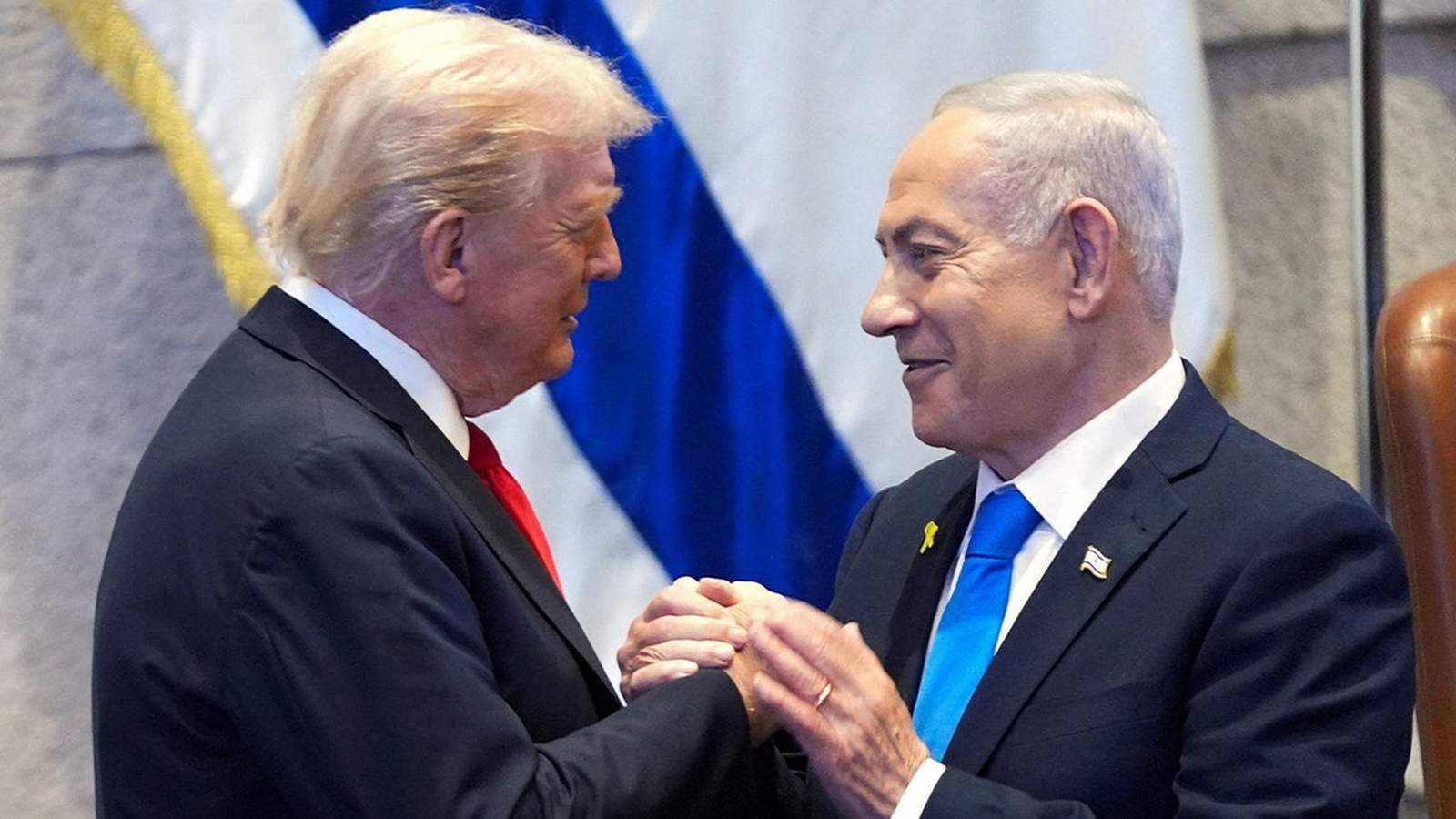
Israeli Prime Minister Benjamin Netanyahu has reportedly intervened in ongoing discussions between Washington and Ankara, warning U.S. President Donald Trump against the potential sale of F-35 fighter jets to Turkey. The diplomatic pressure follows recent signals from President Trump expressing a willingness to revive the aircraft deal, which has been stalled since 2019.
During a high-level phone call, Netanyahu cautioned that providing Turkey with the advanced F-35 platform would fundamentally alter the regional power balance. According to sources, the Israeli leader specifically pointed to President Recep Tayyip Erdogan’s increasingly confrontational rhetoric toward Israel as a primary reason for concern, characterizing the potential sale as a risk to long-term stability.
Stalled Integration and S-400 Hurdles
Turkey’s path to rejoining the F-35 program remains complicated by its possession of the Russian-made S-400 missile defense system. In 2019, the U.S. Congress enacted legislation prohibiting the transfer of F-35s to Turkey as long as the S-400 remains in Ankara’s inventory, citing concerns that the Russian system could compromise the sensitive technology of the stealth aircraft.
Turkish Foreign Minister Hakan Fidan recently stated that political will exists between President Erdogan and President Trump to overcome these obstacles. Fidan noted that Turkey has already paid for several aircraft which remain in storage, emphasizing that Ankara views the resolution of the F-35 issue as essential for strengthening both Turkish defense capabilities and the broader NATO alliance.
Regional Tensions and Rhetoric
The diplomatic maneuvering occurs against a backdrop of deteriorating relations between Ankara and Tel Aviv. Minister Fidan has publicly described the policies of the current Israeli government as a “burden” for international security, while Israeli officials have condemned such statements as incitement. Despite the heated rhetoric, Fidan has insisted that there is no reason for an open conflict, calling for a return to a framework where the sovereignty and territorial integrity of all regional nations are respected.
While the Trump administration has indicated an openness to resolving the procurement dispute, Netanyahu’s intervention highlights the complex web of competing interests that continue to define U.S.-Turkey-Israel relations. The White House has yet to issue a definitive policy shift regarding the 2019 legislative restrictions.