
Quick Read
- The series follows real-life historical accounts of Customs officers infiltrating 1990s heroin gangs.
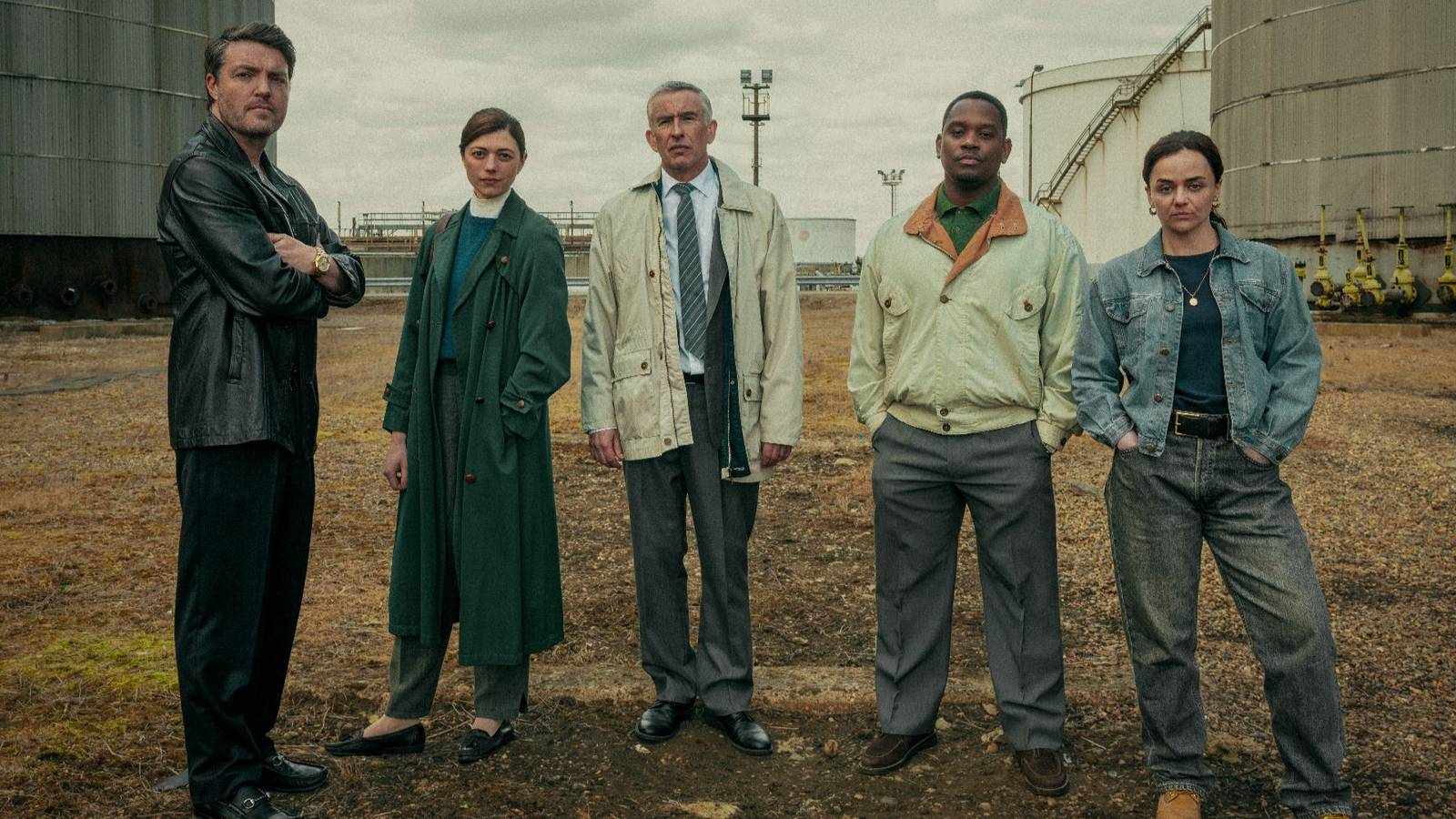
- Steve Coogan and Tom Burke lead the cast as agents navigating the psychological toll of deep-cover work.
- The show is praised for its authentic period detail and complex, multi-layered criminal plotlines.
Netflix has officially released Legends, a six-part crime thriller that dramatizes the precarious reality of British Customs officers tasked with infiltrating heroin smuggling networks during the 1990s. The series, created by Neil Forsyth, centers on the unconventional and high-risk strategy employed by law enforcement when standard investigative channels failed to curb the country’s burgeoning drug trade. By placing untrained, ordinary Customs officers into deep-cover roles, the show examines the immense psychological and physical toll of maintaining a fabricated identity—or “legend”—under constant threat of discovery.
The Reality of Undercover Operation Stakes
At the heart of the series is Don Clark, portrayed by Steve Coogan, a battle-hardened operations lead who recruits a mismatched team of volunteers to disrupt criminal pipelines in Liverpool and London. The narrative shifts away from typical police procedural tropes, focusing instead on the bureaucratic desperation of the era and the genuine danger faced by agents like Guy, played by Tom Burke. As reported by Variety, the show meticulously details the transition from mundane administrative work to high-stakes infiltration, contrasting the gritty, lived-in period aesthetics of Thatcher-era Britain with the lethal volatility of international heroin syndicates.
Forsyth’s Approach to Historical Crime Dramas
Neil Forsyth, known for his work on The Gold, utilizes a dense, multi-layered narrative structure that aims to capture the complexity of organized crime. According to Collider, the series demands significant viewer attention due to its sprawling cast and intricate supply-chain plots, which track the movement of illicit goods from harvest to distribution. While critics have noted that the show’s density can occasionally feel overwhelming, the consensus highlights its commitment to portraying the systemic pressures of the “War on Drugs.” The performance of Gerald Kyd as the unpredictable informant Mylonas has been widely cited as a standout element, providing a chaotic, human anchor amidst the structured tension of the investigation.
Cultural Impact and Critical Reception
The reception of Legends reflects a growing appetite for dramas that ground their fiction in the granular details of historical law enforcement. The Guardian notes that the series succeeds as a “brilliant story” that highlights the tension between noble, if flawed, intentions and the cold realities of gangland power struggles. By focusing on the personal stakes—such as the reckoning faced by those caught in the crossfire of the drug trade—the show moves beyond mere genre exercise to comment on the human cost of state-led interventions. As the characters navigate the blurred lines between their real lives and their constructed personas, the series forces a confrontation with the psychological consequences of deception.
The success of Legends lies in its ability to humanize the bureaucratic machinery of the 1990s, suggesting that the most compelling historical narratives are not found in grand political gestures, but in the small, often fatal errors made by those operating in the shadows of the law.