


Security Response and Initial Assessment
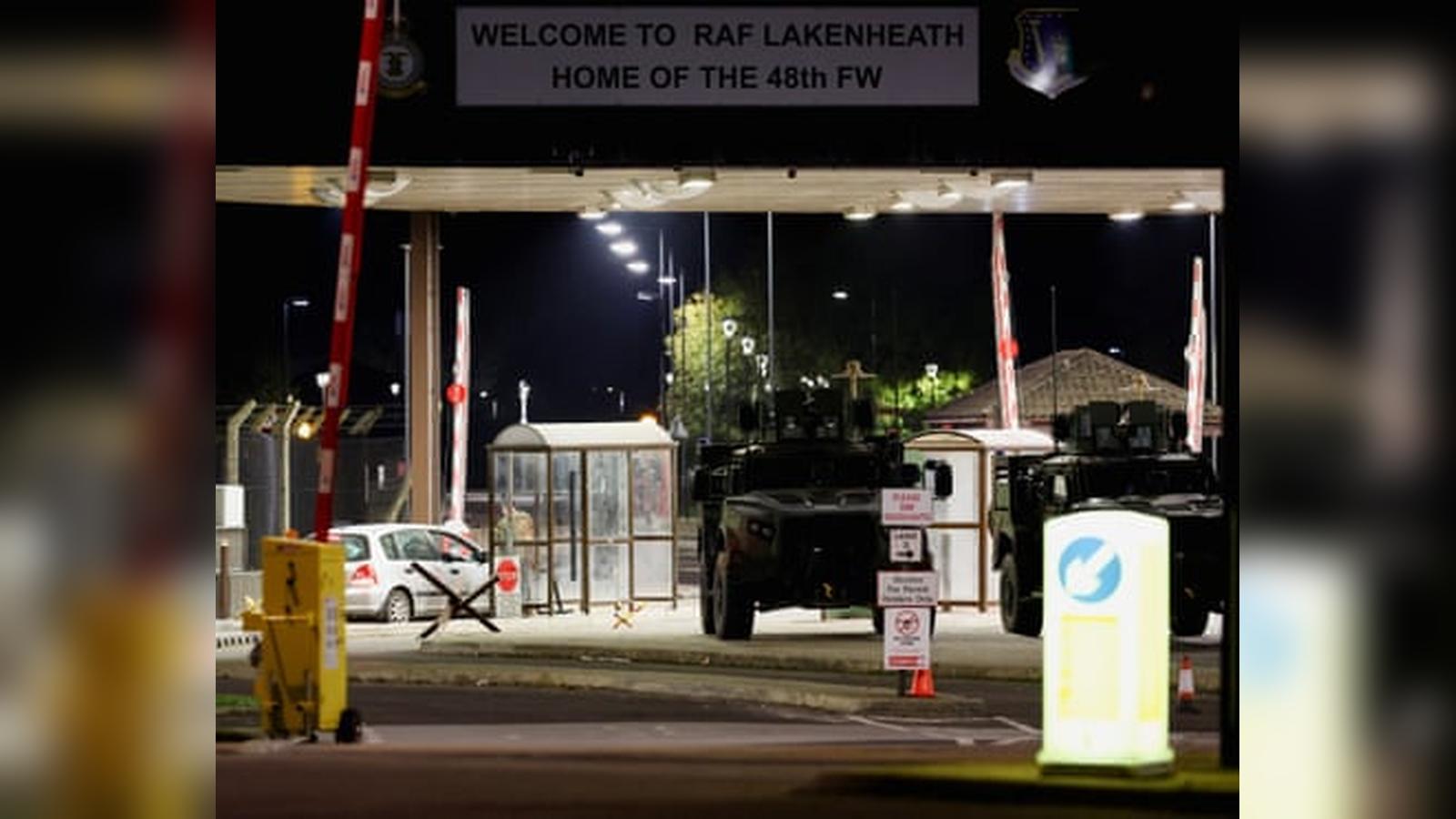
The US Air Force confirmed that security personnel responded to “suspected unauthorised drone activity” on Friday night, November 13, 2026, at RAF Lakenheath in Suffolk, England (The Guardian). Sirens were heard at the strategic facility, which is one of several UK airbases utilized by the United States military. According to the US Air Force, no personnel, aircraft, or infrastructure were affected during the incident, and the situation was subsequently resolved.
The UK Ministry of Defence stated that it coordinated with all relevant parties regarding the reports. A Ministry of Defence spokesperson noted that US Air Force security forces personnel responded immediately and that officials are working closely together to establish the full facts (BBC). Nick Timothy, the Member of Parliament for West Suffolk, confirmed that base authorities informed him there was no ongoing threat to the public and that the situation was stabilized.
Initial operational details surrounding the event remained scarce immediately following the alert. Online footage and local observations indicated that the alarms began sounding around 6:30 p.m. local time, prompting precautionary measures across the compound. The precise origin of the suspected drones, their specific flight paths, and the exact duration of the security deployment have not been publicly detailed by defense authorities.
Broader Security Context and Regional Threats
The drone incident at RAF Lakenheath unfolds against a backdrop of elevated threat levels and heightened force protection measures across US installations in the United Kingdom. In September, RAF Lakenheath announced it was operating under “Charlie alert,” representing the second-highest threat level issued by the US Department of Defense. The base hosts the 48th Fighter Wing, also known as the Liberty Wing, comprising nearly 7,000 active-duty personnel and making it the largest US fighter operation in Europe.
This security event follows a series of recent incidents affecting American military assets across the UK. Earlier this year, British police investigated an alleged terror plot at RAF Fairford in Gloucestershire and a trespass incident at RAF Molesworth in Cambridgeshire. In the preceding two months, the US military evacuated strategic aircraft from RAF Mildenhall and RAF Fairford following suspected threats allegedly linked to Iran. Donald Trump stated in October that security threats prompted the removal of US bombers from Fairford, while prosecutors subsequently charged two men in connection with searches near the Gloucestershire facility.
Military analysts note that unmanned aerial systems present complex defense challenges for permanent installations, particularly regarding early detection and rapid counter-measure deployment. The increasing frequency of reported security breaches and suspicious activities near allied defense hubs has intensified focus on the modernization of perimeter defenses and airspace monitoring capabilities across European commands.
Operational Adjustments and Official Assurances
Amid the ongoing security concerns, operational posture adjustments have been visible across regional installations. Earlier in the week of November 13, at least 12 US Air Force aircraft departed nearby RAF Mildenhall, including two Boeing KC-135 Stratotanker refueling aircraft. Flight tracking and local observations indicated that one aircraft headed toward Germany while another landed at Prestwick Airport near Glasgow.
Downing Street maintained that British airbases remain safe and that force protection is a top priority for the government. Concurrently, local representatives and military officials have urged community vigilance. The US Air Force emphasized in a statement that protecting the shared military and civilian community is a joint responsibility, encouraging individuals to report any unusual or suspicious activity directly to local authorities.
As host-nation and US forces continue their joint investigations into the Lakenheath event, officials have reiterated that cooperative security frameworks remain essential for deterring potential vulnerabilities. The ongoing review of regional force protection protocols underscores the continuous adaptation required to counter emerging aerial and ground-based threats across strategic allied territories.