


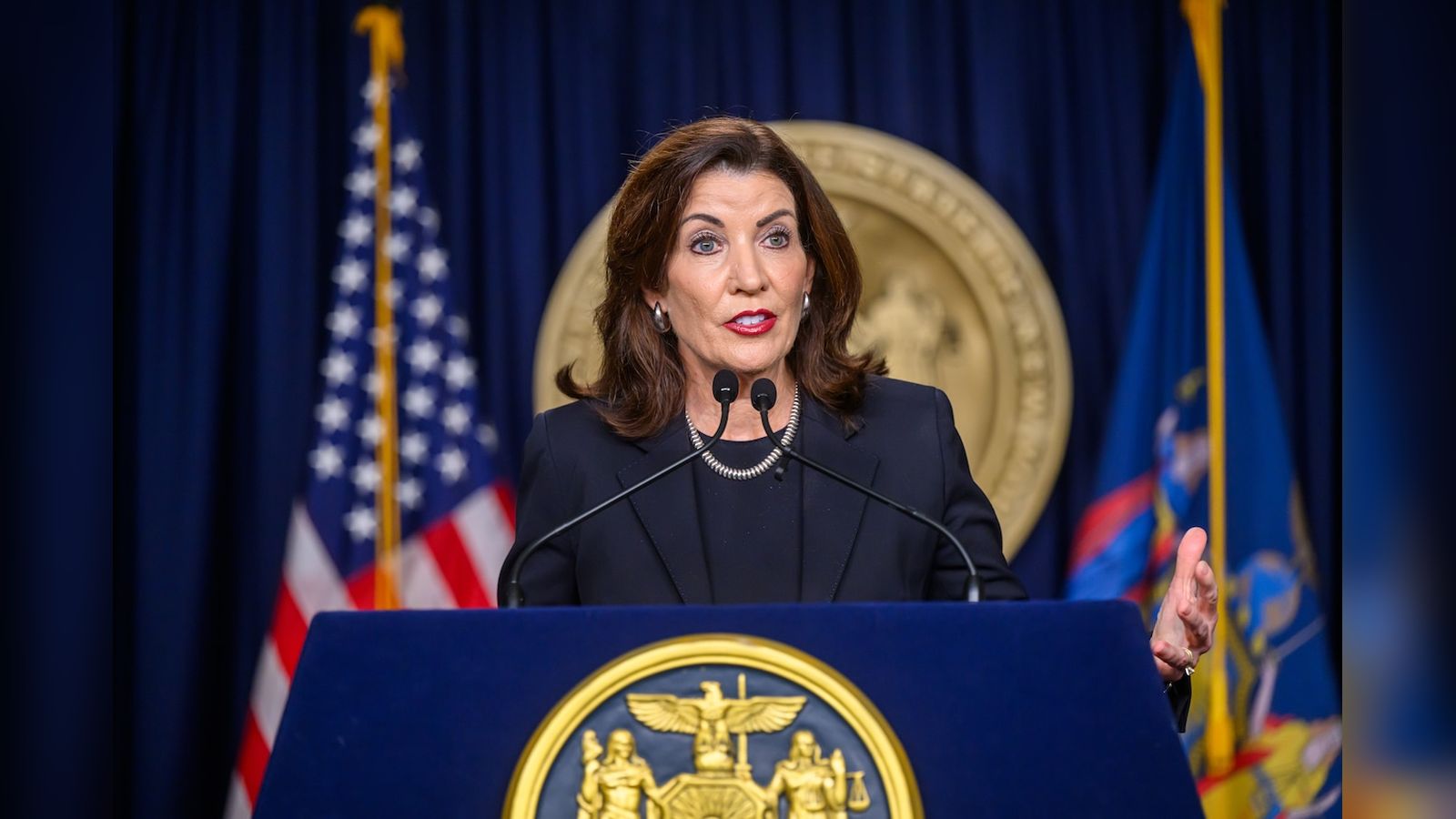
New York Launches POWER Rebate Program
New York Governor Kathy Hochul announced that the state will begin mailing energy rebate checks to 8.2 million households starting September 21, 2026. The initiative, part of the one-time $1 billion “Protecting Our Wallets” (POWER) program, aims to provide direct financial relief to residents facing increased utility expenses and rising fuel costs, according to the Governor’s Office.
Eligible New Yorkers will receive the checks automatically through December, with no application or registration required. The rebate amounts are tiered based on tax filing status and income levels for the 2024 tax year.
Eligibility and Payout Tiers
The rebate program provides specific payment amounts for residents who filed a timely 2024 New York State Resident Income Tax Return and were not claimed as dependents. The distribution structure is as follows:
- Joint filers (income under $150,000): $200
- Joint filers (income $150,000 – $300,000): $150
- Single filers (income under $150,000): $100
New York State Department of Taxation and Finance Commissioner Amanda Hiller stated that the department is working to expedite the delivery of these funds to assist families during the current economic climate.
Energy Affordability Agenda
Beyond the one-time POWER rebates, the program is a component of Governor Hochul’s broader Energy Affordability Agenda, which was included in the FY27 Enacted Budget. The policy shifts regulatory oversight to prioritize household affordability over utility company profits.
Key provisions of this regulatory framework include:
- Prohibition on Ratepayer Costs: Utilities are now barred from passing the costs of lobbying, political donations, PR campaigns, and luxury travel to ratepayers.
- Executive Accountability: Utility CEO salaries will be benchmarked to performance goals set by the Public Service Commission (PSC) regarding energy affordability.
- Rate Hike Oversight: The state will now require a 14-month examination period for utility rate requests and mandates that utilities present budget-constrained options that do not exceed inflation.
- Affordability Index: A new index will track the impact of utility rates on household budgets. If a rate case pushes the average household energy burden above 6%, the state is authorized to deploy an independent monitor into the utility’s boardroom.
The state has also established a RATES Commission, comprised of consumer advocates and energy experts, to investigate the root causes of price spikes and evaluate market designs.