


Nobel Peace Prize 2025: Who’s on the List and What’s at Stake?
Every October, the world turns its attention to Oslo, where the Norwegian Nobel Committee announces the recipient of the Nobel Peace Prize—arguably the most scrutinized and politicized award in the Nobel family. In 2025, the anticipation, speculation, and even controversy seem more intense than ever. Why? Because the stakes feel higher, and the list of nominees reflects the complexities of a world in flux.
The Selection Process: Tradition Meets Turbulence
The Nobel Peace Prize isn’t just handed out to the highest-profile candidate or the loudest campaigner. Instead, the five-member Norwegian Nobel Committee, aided by secretary Kristian Berg Harpviken, follows strict guidelines set forth in Alfred Nobel’s will. The will is clear: the prize must recognize those who have done “the most or the best work for fraternity between nations, for the abolition or reduction of standing armies and for the holding and promotion of peace congresses.” NewsinEnglish.no reports that this year, the committee received a record 338 nominations—244 individuals and 94 organizations. The nomination process is confidential; neither the names of nominees nor nominators are revealed for fifty years, though some try to publicize their own candidacy.
While the committee’s members are chosen to reflect the Norwegian Parliament’s political makeup, their independence is fiercely protected. The government does not interfere, nor does it receive any advance notice of the winner. This separation was tested in 2010 when awarding the prize to Chinese dissident Liu Xiaobo triggered a diplomatic freeze between Norway and China. The lesson? The committee must walk a tightrope between recognition and controversy, always under the watchful eyes of global powers.
Donald Trump’s Candidacy: Politics, Pressure, and Pushback
One of the most talked-about aspects of this year’s Nobel Peace Prize is the lobbying by U.S. President Donald Trump. His open campaign for the prize has stirred discomfort in Norway, especially as he’s made veiled threats and public statements that blur the line between personal ambition and international diplomacy. Trump claims to have halted wars and brokered fragile truces, most recently in the Middle East. But researchers and historians, such as Stein Tønneson of NUPI and Asle Sveen, argue that Trump’s actions do not align with Nobel’s ideals. Trump’s withdrawal from UN programs, cuts to foreign aid, and promotion of military build-up stand in stark contrast to the prize’s core values.
Historian Asle Sveen is blunt: only a “nervous breakdown” by the Nobel Committee could put Trump’s name on the laureates’ list. Trump’s repeated self-promotion, including calls to Norwegian officials and public statements that not winning would be an “insult” to the U.S., have raised eyebrows—and concerns. Yet, as Reuters and NewsinEnglish.no note, even if Trump were to broker a major peace deal, it would only be considered for future awards due to the nomination deadline.
The Shortlist: Organizations in the Spotlight
Beyond the headlines, the true contenders for the 2025 Nobel Peace Prize reflect the urgent challenges facing the world. According to Nina Græger of PRIO, the Committee to Protect Journalists is a frontrunner. In a year when over 70% of journalist deaths occurred in the Israel-Gaza conflict, awarding the prize to those defending press freedom would send a powerful message about the link between peace and the free flow of information.
Other notable organizations include Sudan’s Emergency Response Rooms (ERR), the OSCE’s Office for Democratic Institutions and Human Rights, The Carter Center, the Women’s International League for Peace and Freedom, and the International Court of Justice and the International Criminal Court. Each reflects a different facet of peace—humanitarian aid, democratic oversight, advocacy for women, and the pursuit of justice.
The PRIO list has a strong track record of predicting winners, and many experts believe that awarding the prize to an organization this year would underscore the importance of collective action in times of crisis.
Looking Back and Ahead: The Nobel’s Role in a Troubled World
Last year’s Nobel Peace Prize went to Nihon Hidankyo, a Japanese organization advocating for nuclear disarmament. Their decades-long effort to collect survivor testimonies and influence policy at the United Nations reflected the spirit of Nobel’s vision. This tradition of honoring those who champion peace—whether individuals or organizations—remains vital, perhaps more than ever.
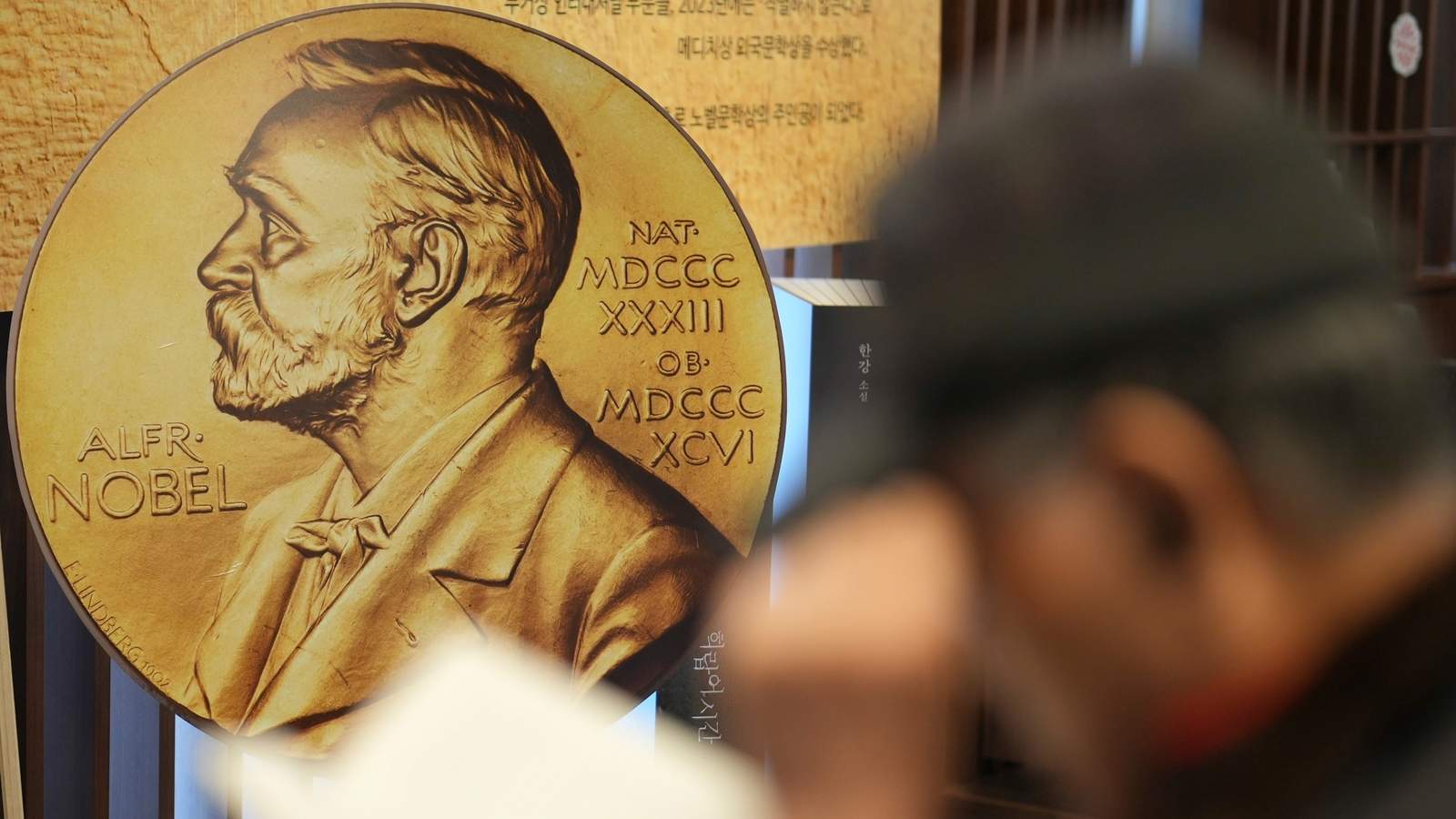
The Nobel Peace Prize ceremony, held every December 10th in Oslo, is both a celebration and a reminder. Laureates receive a diploma, a gold medal, and a monetary award—this year, 11 million Swedish kronor (about $1.17 million). But the true value lies in the global recognition and the symbolic weight of the prize.
With 338 nominees, the committee faces a daunting challenge: choosing a recipient who not only embodies Nobel’s ideals but also resonates with the urgent needs of today’s world. As historian Øivind Stenersen points out, the prize is most relevant in times of conflict, when the recognition of peace efforts can inspire hope and action.
The Announcement: Anticipation and Uncertainty
The winner will be announced on Friday, October 10, at 11 a.m. Oslo time. The ceremony will follow on December 10, marking Alfred Nobel’s death anniversary. The suspense is palpable. Will the committee choose an organization, honoring collective resilience? Or will an individual surprise everyone, as has happened in recent years?
One thing is certain: the Nobel Peace Prize remains a powerful force. Its ability to shine a spotlight on overlooked peace efforts, challenge political norms, and provoke debate ensures its continued relevance.
The world waits, hopeful that the committee’s decision will not only honor past achievements but also encourage future progress toward a more peaceful world.
Assessment: The 2025 Nobel Peace Prize shortlist highlights the tension between political ambition and genuine peace-building. In a year marked by global upheaval, the committee faces a crucial test: to uphold the prize’s integrity by recognizing those who advance peace not through self-promotion, but through courageous action and collective effort. As the world watches, the Nobel Peace Prize stands as a beacon—reminding us that peace, though fragile, is always worth striving for.