


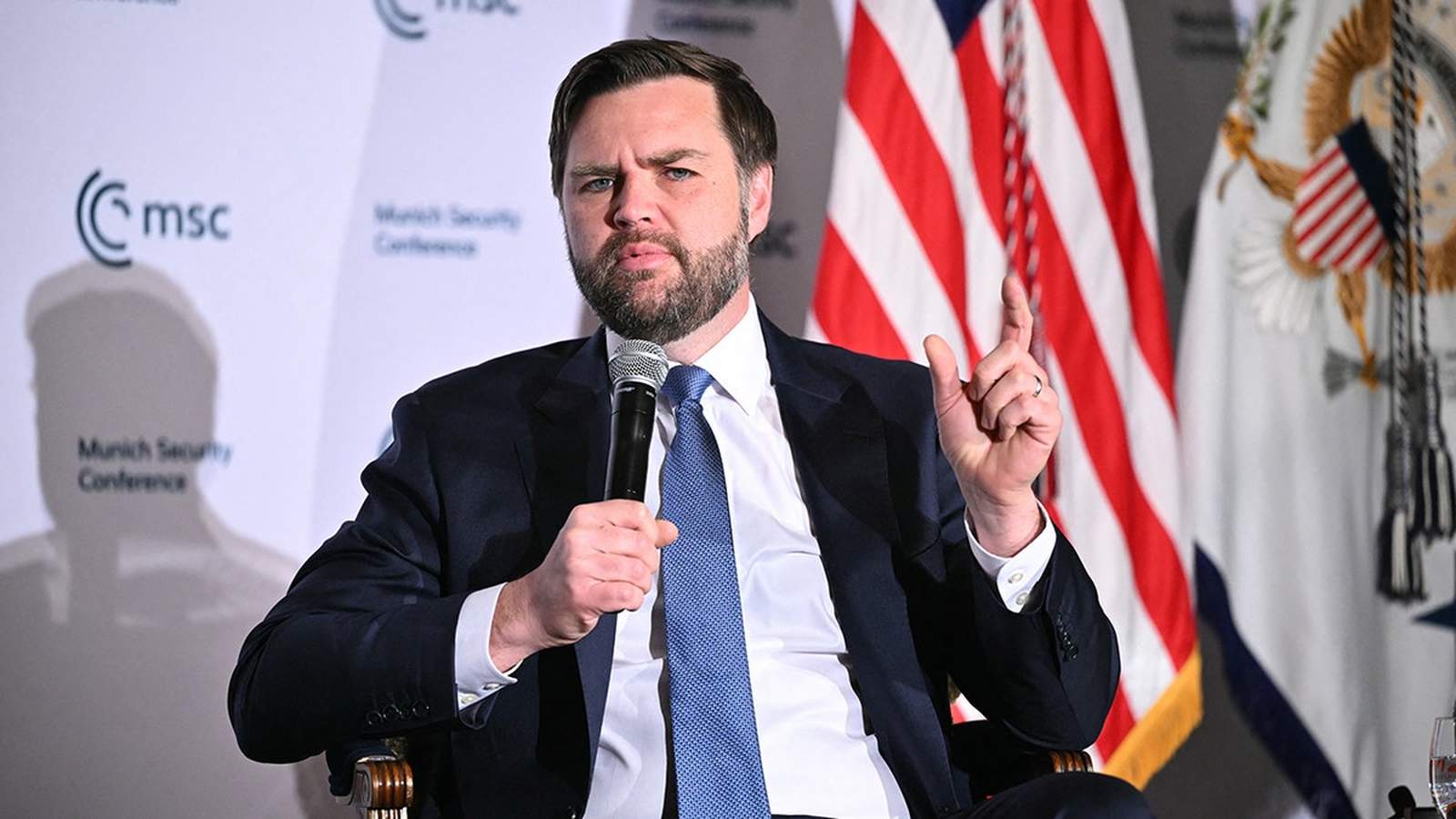
United States Vice President JD Vance has sent a letter to Iran’s security chief, Mohsen Rezaei, in an 11th-hour diplomatic push to restart peace negotiations, according to reporting published by Al Jazeera on October 29, 2026. The outreach aims to gauge whether Washington and Tehran can find sufficient common ground to avert a potential new round of United States military strikes against Iranian targets following the upcoming November midterm elections.
Passed to Rezaei by Qatari mediators on Sunday, the letter proposes a potential framework for negotiations rather than specific peace terms. According to US media reports cited by Al Jazeera, the initiative seeks to determine if leaders in Tehran and Washington can narrow their differences before President Donald Trump issues a final order for a brief, high-intensity military campaign.
Diplomatic Framework and Proposed Venues
The confidential letter proposes an upcoming meeting between American and Iranian officials, with Vice President Vance slated to head the US delegation, replicating his role during previous bilateral talks held in June. US and Iranian officials noted that the proposed agenda requires Iran’s nuclear programme to be on the table from the outset. If Tehran accepts the diplomatic overture, negotiations could commence as early as next week, with Qatar or Turkiye identified as potential host venues.
While Iranian authorities have not issued a formal public statement regarding the letter, reports indicate it has been received well by Tehran’s leadership. Iranian Foreign Minister Abbas Araghchi signaled ongoing diplomatic engagement in a social media post, stating that Iran continues to give diplomacy a chance. Mohsen Rezaei, who leads Iran’s Supreme National Security Council, is expected to deliver an official response to the communication.
Strategic Realignment and Internal Power Dynamics
Analysts emphasize that addressing the letter directly to Rezaei represents a calculated shift in Washington’s assessment of internal Iranian power structures. Hamidreza Azizi, a senior analyst at the International Crisis Group, told Al Jazeera that the move suggests American officials believe changes in Tehran’s internal governance may have created more viable prospects for direct engagement through Rezaei.
However, regional experts remain cautious about the initiative’s ultimate impact. Ali Vaez, deputy programme director for the Middle East and North Africa at the International Crisis Group, noted that while Tehran perceives Vance as possessing both presidential influence and an appreciation for the costs of escalation, a single messenger cannot easily bridge deep substantive disagreements. Rouzbeh Parsi, an Iran analyst at Lund University, added that despite Vance appearing as the least volatile voice within the administration, his positions have historically struggled to override Trump’s unpredictability.
Regional Stakes and Gulf Security Warnings
The diplomatic outreach coincides with warnings from President Trump directing US Gulf allies to prepare for a brief, intense military campaign following the midterm elections. Trump previously referenced potential operations modeled after past military engagements against Iran. The heightened tensions have raised concerns across the region regarding potential Iranian retaliation against energy infrastructure, undersea cables, and digital facilities in Gulf states.