

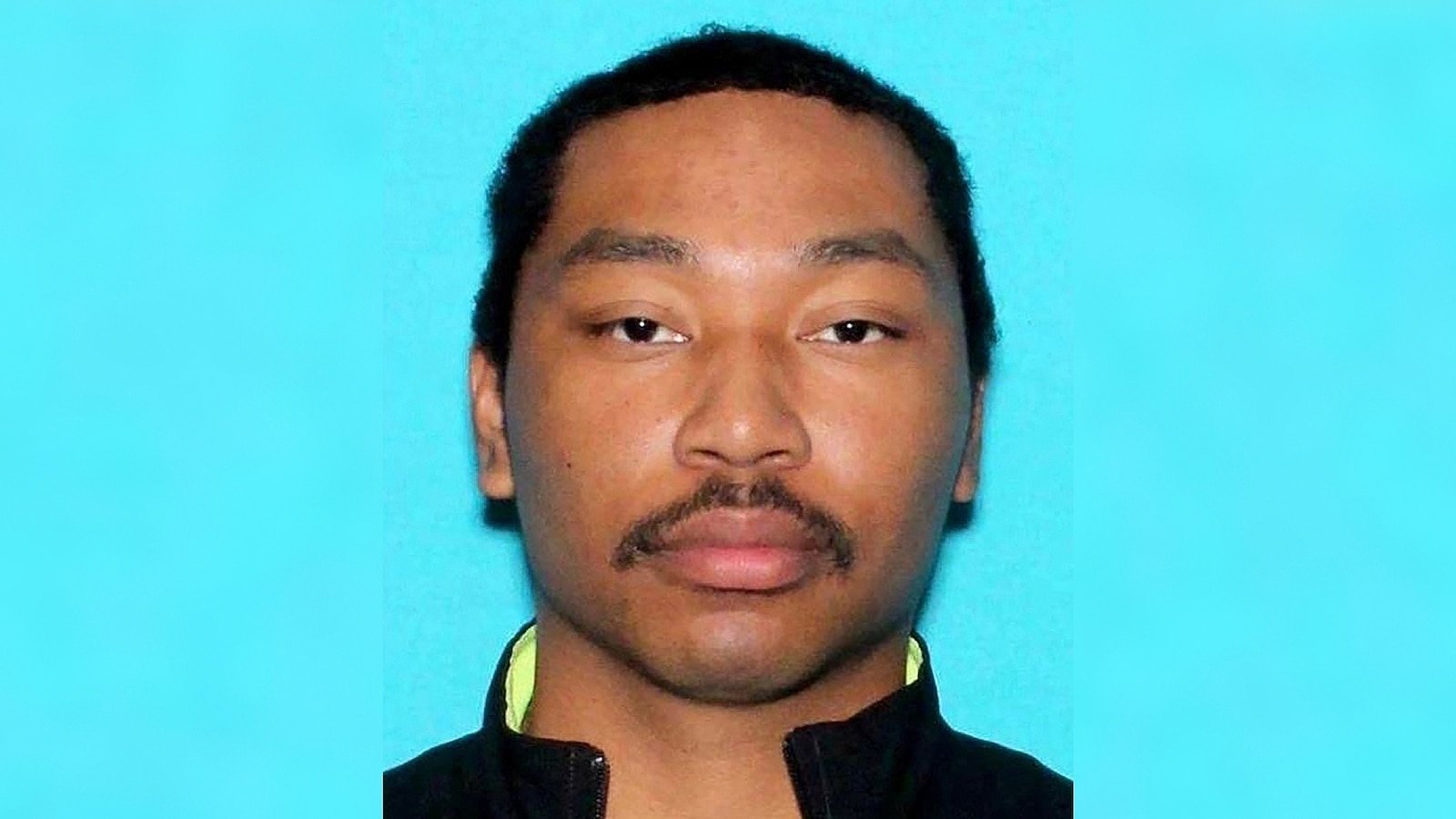
Quick Read
- Shane Tamura, the NYC shooter, was diagnosed with low-stage CTE after his death.
- Tamura played football through high school and suffered repeated head injuries.
- He targeted the NFL headquarters, blaming the league for concealing CTE risks.
- Medical experts stress that CTE’s behavioral effects remain under study.
- Tamura’s case reignites calls for youth sports safety reforms.
Medical Examiner Confirms CTE in NYC Shooter Shane Tamura
When Shane Tamura walked into a Manhattan office tower on July 28, 2025, carrying a firearm and a note asking for his brain to be studied, few could have predicted the chilling intersection of sports medicine and tragedy that would follow. The New York City Office of the Chief Medical Examiner announced last Friday that Tamura, 27, had “unambiguous diagnostic evidence” of low-stage chronic traumatic encephalopathy, or CTE, a degenerative brain disease most often linked to repeated head trauma in contact sports.
CTE’s confirmation in Tamura’s case is more than just a medical finding—it is a wake-up call for the sports world, law enforcement, and society at large. Tamura, a former high school football player, killed four people and himself in a violent rampage that investigators believe was directed at the National Football League’s headquarters, housed inside the Park Avenue building where the shooting occurred. According to police and medical sources, Tamura left behind a handwritten three-page note referencing his mental health struggles, his suspicion of having CTE, and a pointed accusation: “League knowingly concealed the dangers to our brains to maximize profits.”
CTE Beyond the NFL: The Risks in Youth and Amateur Sports
CTE is most notorious for its prevalence among former NFL players, but Tamura never played professional football. His years of exposure to head trauma came during childhood and adolescence, starting tackle football at age six and continuing through high school in California. Former teammates recall Tamura as a running back and defensive back, positions with frequent collisions and hard hits. The story challenges the public perception that CTE is an exclusive risk for elite athletes.
“We know high school football players can get CTE,” said Chris Nowinski, co-founder of the Concussion Legacy Foundation, to NBC News. “We don’t need any more research to convince high school coaches to change the rules of the game.”
A 2023 study led by Dr. Ann McKee at Boston University found CTE in 41% of the brains examined from athletes under 30 who had played contact sports. The findings, shared by ESPN and CBS News, included donors as young as 13. It’s a stark reminder: the risks are not reserved for the pros.
Behavioral Science and the Limits of CTE Diagnosis
While CTE has been associated with symptoms like aggression, impulse control issues, depression, and suicidality, medical experts urge caution before drawing direct lines between brain pathology and behavior. Dr. Ross Zafonte of the University of Missouri’s School of Medicine explained to NBC News, “CTE has not been definitively linked to behavioral changes. We have to remember this is an evolving and changing piece of science.”
In Tamura’s case, authorities documented a history of mental health challenges—including depression, chronic migraines, insomnia, and prior law enforcement interventions for suicidal threats. Tamura’s family, according to ESPN, described years of headaches and injections to manage pain. Las Vegas police confirmed multiple mental health checks during his time living there.
Yet, the medical examiner’s office and CTE researchers alike stopped short of attributing Tamura’s violent actions solely to his brain disease. “The science around this condition continues to evolve, and the physical and mental manifestations of CTE remain under study,” the medical examiner’s statement emphasized.
Victims and Community Impact
The shooting claimed the lives of Aland Etienne, a security guard; Wesley LePatner, a Blackstone executive and mother; Didarul Islam, an NYPD officer and father of two; and Julia Hyman, an associate at Rudin Management. All except Hyman were killed in the building’s lobby within seconds of Tamura’s entry. On the 33rd floor, Tamura fatally shot Hyman before turning the gun on himself. An office cleaner, Sebije Nelovic, narrowly escaped after hiding in a closet, later recalling her terror and prayers for the victims.
“There is no justification for the horrific acts that took place,” the NFL stated, echoing the sentiments of many. “Our hearts remain with the victims’ families and our dedicated employees.”
Football’s Reckoning: Safety, Science, and Prevention
The NFL has publicly acknowledged the link between CTE and football since 2016, and in the years since, the league has implemented new safety protocols, equipment improvements, and stricter rules against dangerous hits. The National Federation of State High School Associations has also recommended limiting full-contact practices and helmet-to-helmet collisions, but Tamura’s case reignites calls for more substantial reforms.
“We’d be insane not to enact efforts to prevent CTE,” Nowinski told CBS News. “This hopefully is a wake-up call that we need to do more to prevent brain trauma in young athletes, because there are consequences for some of these people.”
The disease can only be diagnosed after death; there is no imaging technology capable of detecting CTE in living patients. This diagnostic gap, combined with the evolving science, makes it difficult to understand the full impact of CTE on behavior and mental health. Many families, like Tamura’s, are left grappling with unanswered questions and grief.
The Path Forward: Awareness, Research, and Responsibility
The tragedy at the NFL headquarters is not the first time CTE has been found in the brain of a mass shooter or someone who died by suicide. Cases like former NFL player Aaron Hernandez and Phillip Adams have drawn similar attention. Each new diagnosis adds urgency to debates about concussion protocols, youth sports safety, and the responsibilities of leagues and coaches to their players.
For now, the aftermath of Tamura’s rampage is felt most acutely by the families of the victims, the survivors, and the broader New York community. The shooter’s final plea—“Study my brain please. I’m sorry.”—speaks to the desperation and confusion that can accompany brain disease and mental illness. The challenge for medical science, sports organizations, and policymakers is to turn such tragedies into meaningful change.
Shane Tamura’s case stands at the crossroads of evolving science and social responsibility, a stark reminder that the risks of contact sports extend well beyond the stadium—and that the consequences, while not fully understood, can be devastating. As research into CTE continues, only broad, systemic reforms and ongoing awareness will prevent further tragedies and ensure that athletes, families, and communities are protected.