


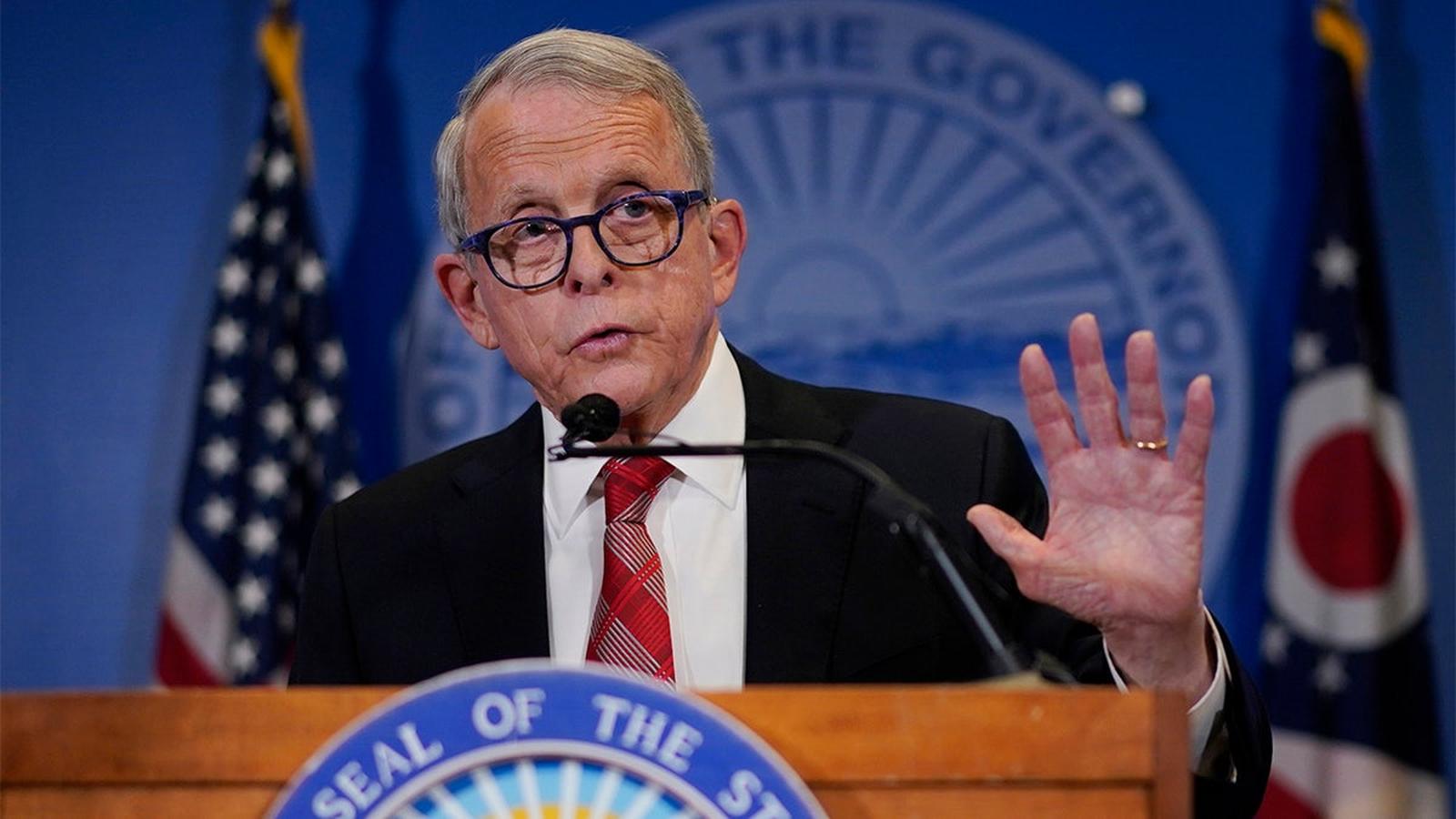
Legislative Tension in the Final Term
With less than six months remaining in his tenure, Ohio Governor Mike DeWine is navigating a period of heightened friction with the state’s Republican-led General Assembly. Recent developments, including a veto override struggle regarding election security and a late-term push to end the death penalty, have highlighted the growing distance between the governor and his party’s legislative leadership.
Last week, Governor DeWine vetoed House Bill 472, which sought to require photo identification for mail-in ballots. DeWine justified the veto by citing technical deficiencies, a lack of funding for implementation, and the absence of clear evidence that the requirement would enhance security or prevent fraud. While voting rights advocates, including the League of Women Voters of Ohio, lauded the decision as a victory for voter access, Republican leadership remains defiant.
House Speaker Matt Huffman’s office signaled that the caucus is reviewing the veto, with some GOP lawmakers actively pushing for an override. Although 60 votes are required to supersede the governor, the political divide persists, with Secretary of State Frank LaRose and other party figures expressing disappointment in the veto.
Legacy and Policy Struggles
Beyond election law, DeWine has faced criticism for a series of eleventh-hour policy shifts. His recent call to abolish the death penalty—despite having presided over an unofficial moratorium during his term—has been met with skepticism. Legislative leaders, including Senate President Rob McColley, have stated they have no intention of repealing capital punishment, characterizing the governor’s appeal as a performative gesture that lacks political viability.
These conflicts underscore a broader trend of legislative stagnation regarding several of the governor’s priorities. While DeWine recently signed House Bill 479, providing a $350 million Homestead exemption bonus to seniors and disabled residents, other property tax relief measures remain stalled. With the General Assembly in summer recess until after the November elections, the prospect of further substantive policy movement appears limited.
Analysis: A Governor in Transition
The current legislative environment reflects a governor nearing the end of his political influence within a party that has shifted further to the right. DeWine’s attempts to frame himself as a moderate voice on issues like capital punishment and election integrity have increasingly clashed with the priorities of the General Assembly. As he prepares to depart, his legislative record remains a complex balance of fiscal conservative wins and social policy gridlock, leaving his final months marked more by institutional friction than legislative momentum.