


Casualties and Military Integration
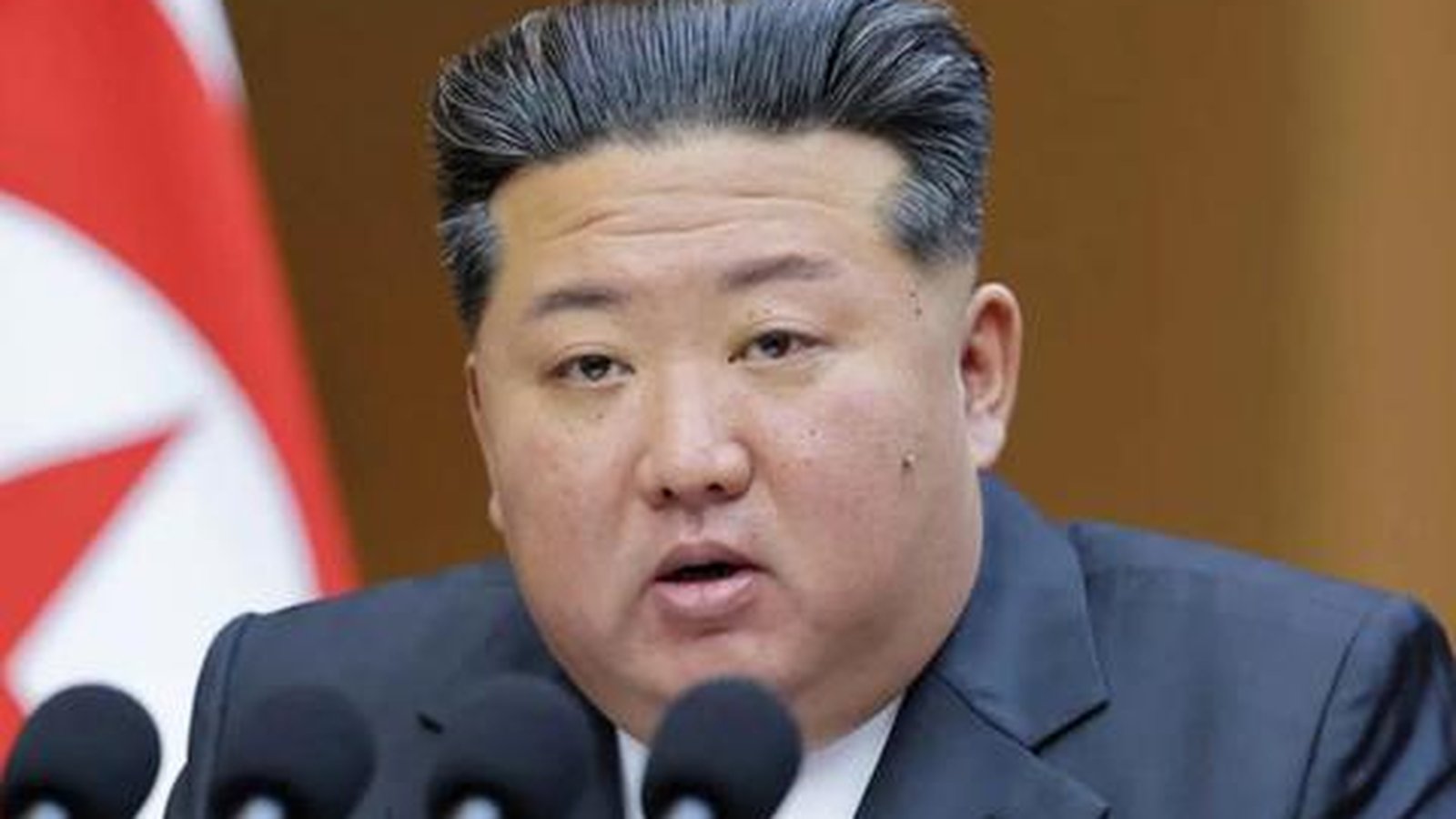
Ukrainian military intelligence (HUR) has reported that North Korean troops deployed to Russia’s Kursk Oblast have sustained over 7,000 casualties since their involvement in the conflict began. This figure, covering the period of the Ukrainian cross-border incursion from August 2024 to March 2025, exceeds previous estimates provided by British and South Korean intelligence, which had placed the number at approximately 6,000.
While North Korean officials have remained silent regarding the losses, reports from the front indicate that Pyongyang’s forces have adapted to modern drone warfare despite initial challenges. Beyond manpower, the partnership serves as a critical logistics lifeline for Moscow, with North Korea providing steady supplies of 122mm and 152mm artillery shells and ballistic missiles. In exchange, analysts suggest Pyongyang is gaining significant technological advancements for its own nuclear and missile programs.
Putin Rejects Strike Limits
The disclosure of these casualties coincides with Russian President Vladimir Putin’s formal rejection of a proposal from Kyiv to establish a mutual moratorium on long-range strikes. In a recent interview, Putin characterized the Ukrainian proposal as a sign of desperation, claiming that Kyiv’s forces are suffering from a “catastrophic shortage of personnel.”
Putin asserted that Russia’s own long-range strike capabilities—which have been utilized extensively against Ukrainian energy infrastructure—are far more impactful, making any compromise on this front disadvantageous to Moscow. He framed the ongoing drone attacks on Russian refineries as a failed attempt to disrupt the Russian economy and tourism, rather than a threat to the tactical situation on the front line.
Geopolitical Stakes
The intensifying cooperation between Moscow and Pyongyang has drawn sharp criticism from the international community, particularly as North Korea continues to accelerate its own weapons testing. On the anniversary of the Korean War, leader Kim Jong Un supervised the testing of upgraded rocket launchers and tactical ballistic missile systems. Simultaneously, Pyongyang has intensified its rhetoric against Japan and the U.S., condemning joint military exercises like “Resolute Dragon” as preparations for an invasion.
Ian Lesser, a distinguished fellow at the German Marshall Fund, noted that Putin’s refusal to engage in negotiations regarding long-range strikes signals a broader unwillingness to de-escalate. By maintaining a hardline stance, Moscow aims to project strength not only against Ukraine but also to deter NATO involvement. With peace talks currently stalled—and Moscow insisting on terms that include the surrender of the Donbas region—the conflict shows few signs of diplomatic resolution as both sides deepen their reliance on external military partnerships.