


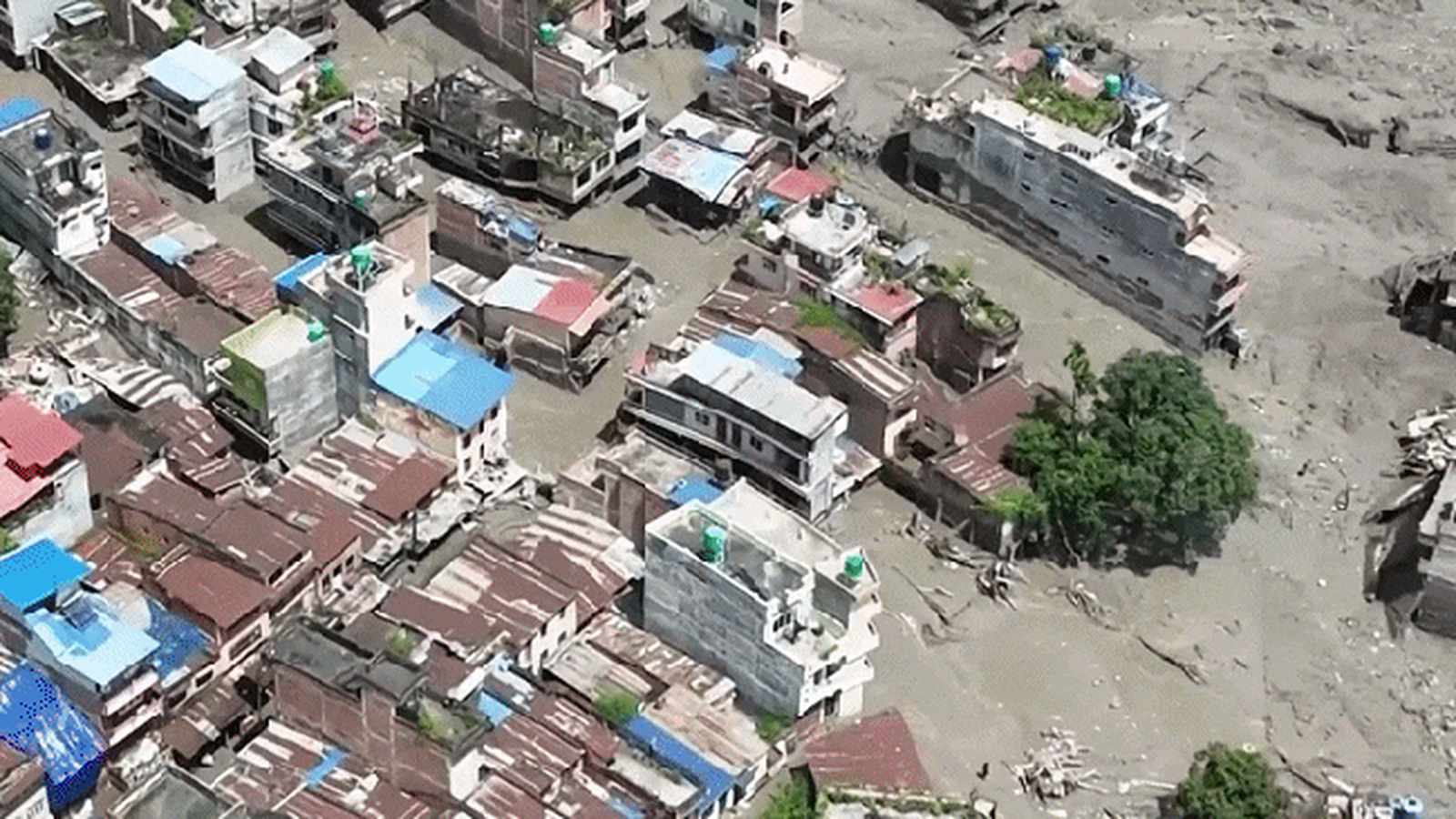
Emergency Response and Diplomatic Coordination
Australian Foreign Minister Penny Wong has officially addressed the catastrophic flash flooding that has devastated regions along the Nepal-Tibet border, confirming that 34 Australians are currently missing. The disaster, which has claimed at least 162 lives according to initial reports, has prompted an urgent mobilization of the Department of Foreign Affairs and Trade (DFAT) to locate and assist affected citizens.
The floods, triggered by a massive mudslide and potential glacial collapse in the Gyirong County region, have severed communication lines and destroyed critical infrastructure. During a media briefing on Thursday, Minister Wong described the unfolding situation as “devastating” and confirmed that the missing Australians were part of various pilgrimage and tour groups visiting the popular Kailash Manasarovar route.
Minister Wong stated that she has engaged directly with Australia’s Ambassador to Nepal, Simon Ernst, and the Ambassador to Beijing, Scott Dewar, to ensure a coordinated diplomatic effort. “The government’s priority is to confirm the whereabouts and welfare of these Australians,” Wong said, adding that specialized DFAT crisis response experts are being deployed to the region to assist local authorities, who are currently struggling with limited resources.
Scale of the Disaster and Regional Impact
The humanitarian crisis extends far beyond Australian nationals. Nepali tourism officials reported that over 400 foreign tourists remain unaccounted for, including citizens from India, the United States, Britain, and Canada. Local authorities in Nepal have confirmed the recovery of approximately 157 bodies, though fears of a significantly higher death toll persist as search and recovery efforts continue into the night.
The environmental impact has been severe, with entire residential clusters, road networks, and energy projects washed away. Prime Minister Anthony Albanese, speaking at the 2026 National Bush Summit, expressed his condolences to the families of the missing, acknowledging the extreme difficulty of the situation in a developing region where information flow is restricted by the terrain and the destruction of local telecommunications.
Calls for Humanitarian Solidarity
The international community has begun to respond, with the US State Department and Canadian leadership monitoring the developments. Domestically, there is growing pressure for Australia to play a significant role in humanitarian relief. Greens Senator David Shoebridge has urged the federal government to demonstrate “deep solidarity” with Nepal and Tibet, arguing that Australia should provide immediate aid to support the recovery efforts.
In a symbolic show of support, the Nepal national cricket team, currently in Darwin for the Top End Series, paused for a minute’s silence before their match at Gardens Oval. The gesture resonated deeply with the local Nepali-Australian community, many of whom are waiting for updates on family members caught in the region during the flood event.