


Quick Read
- Nathan Fielder’s ‘The Rehearsal’ examines pilot social dynamics.
- Season 2 finale features Fielder flying a 737 with actors as passengers.
- The show critiques aviation safety and explores neurodivergent themes.
- Fielder’s methods raise questions about sincerity and performance.
- Pilots and viewers have mixed reactions to the show’s approach.
Fielder’s Bold Experiment in Aviation Safety
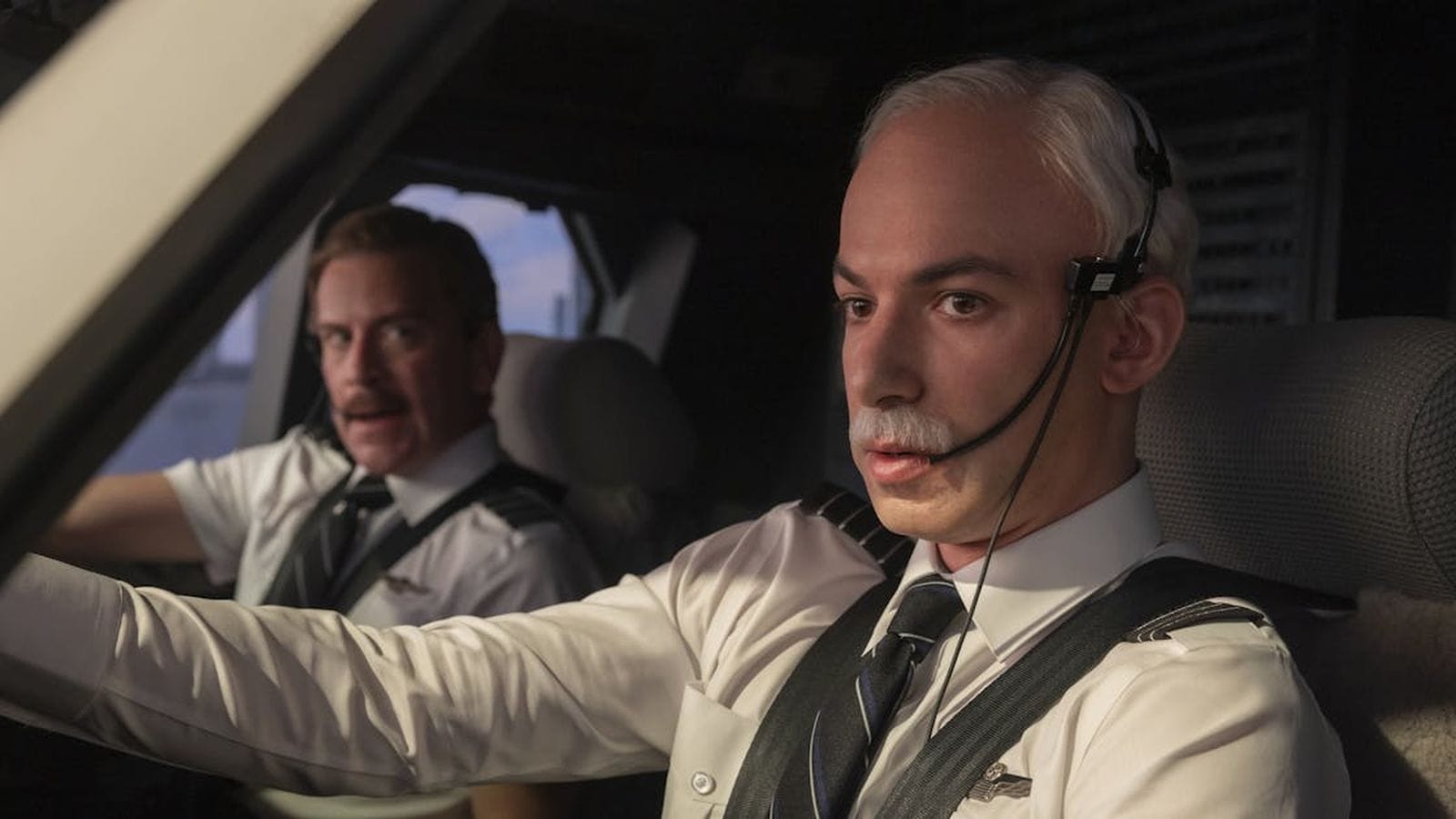
Nathan Fielder’s HBO series The Rehearsal has never shied away from pushing boundaries. Season 2 took this ethos to new heights, quite literally, as the comedian-turned-experimentalist explored social dynamics within airline cockpits. The season finale was particularly daring, featuring Fielder himself piloting a Boeing 737, accompanied by a co-pilot and actors posing as passengers. The goal? To examine how social awkwardness and hierarchical barriers in the cockpit can contribute to aviation disasters.
Fielder’s premise stemmed from real-world data: black-box recordings from past air crashes often reveal moments where co-pilots hesitated to challenge their captains, leading to catastrophic outcomes. By using his signature method of staged rehearsals, Fielder sought to simulate and potentially remedy these dynamics. However, the execution of these experiments—and their ethical implications—left both pilots and viewers divided.
Mixed Reactions from Aviation Professionals
Professional pilots reacted with a mix of intrigue and skepticism to Fielder’s approach. On one hand, some appreciated the spotlight on cockpit communication, a critical yet often overlooked aspect of flight safety. According to experts cited in The Walrus, the issue of assertiveness among co-pilots has long been a concern within the industry, prompting initiatives like Crew Resource Management (CRM) training. Fielder’s unconventional take brought fresh attention to this ongoing challenge.
On the other hand, many questioned the practicality and safety of his methods. As noted in Slate, the idea of using actors and staged scenarios to simulate high-stakes situations struck some as overly theatrical and disconnected from the realities of aviation training. Moreover, Fielder’s decision to personally pilot the 737, despite recently obtaining his license, added another layer of controversy.
The Blurred Lines Between Reality and Performance
Central to The Rehearsal is its exploration of the boundaries between reality and performance. The show frequently uses elaborate sets and actors to simulate real-life scenarios, raising questions about authenticity and manipulation. In the Season 2 finale, this theme extended to Fielder’s own identity. As noted in The New Yorker, the episode touched on his potential neurodivergence, with Fielder undergoing an fMRI scan to explore whether he might be on the autism spectrum.
This subplot resonated deeply with viewers, particularly those in the neurodivergent community. According to The Ringer, Fielder’s meticulous, socially awkward persona has long drawn parallels to experiences of masking and navigating social norms, common among autistic individuals. While Fielder did not explicitly confirm a diagnosis, his willingness to address the topic added a layer of vulnerability to his typically enigmatic character.
Critiques of Ethical Boundaries
Despite its thought-provoking themes, The Rehearsal has faced criticism for its ethical approach. The use of real-world stakes, such as aviation safety, as a backdrop for experimental comedy raised eyebrows. Some critics, including those at New Republic, argued that Fielder’s methods risk trivializing serious issues. The involvement of actors and staged scenarios, while central to the show’s premise, blurred the lines between satire and genuine inquiry.
Moreover, the finale’s depiction of Fielder piloting a commercial airliner sparked debates about responsibility and risk. While the flight was heavily controlled and monitored, the act itself was seen by some as an unnecessary stunt that overshadowed the show’s broader message.
A Broader Reflection on Social Dynamics
Ultimately, The Rehearsal Season 2 is less about aviation safety and more about the human condition. By dissecting the ways people navigate power dynamics, social anxiety, and communication barriers, Fielder offers a mirror to society’s complexities. As noted in The Walrus, the series challenges viewers to question not only the sincerity of others but also their own willingness to confront uncomfortable truths.
For pilots, the show serves as a reminder of the critical role communication plays in their profession. For viewers, it’s a thought-provoking examination of how rehearsals—whether in a cockpit or in daily life—shape our interactions and decisions.
As Season 2 concludes, Nathan Fielder’s daring experiments continue to spark conversations about the intersections of comedy, performance, and real-world issues. Whether one views the series as a groundbreaking exploration or an elaborate gimmick, its impact on both television and its audience is undeniable.
Source: Newrepublic, Theringer, Newyorker, Thewalrus, Slate