


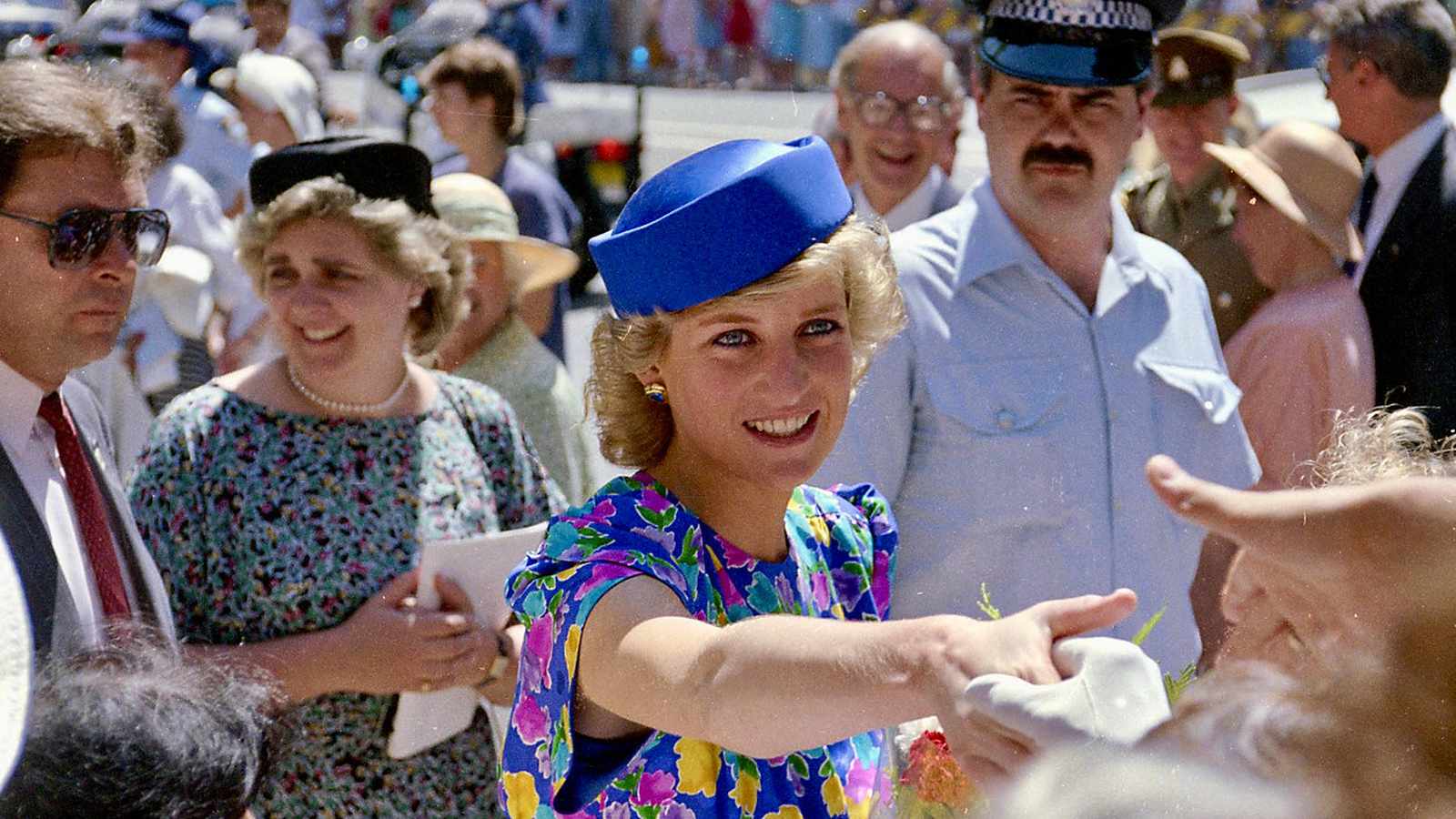
A Legacy Beyond the Crown
July 1, 2026, marks what would have been the 65th birthday of Diana, Princess of Wales. Nearly three decades after her sudden death in a Paris car crash on August 31, 1997, the public fascination with her life remains undiminished. While her tragic end continues to be a point of reflection for her sons, Prince William and Prince Harry, the anniversary serves as a reminder of her dual legacy: a mother who defied royal tradition and a global cultural icon who transformed the perception of the British monarchy.
Redefining Royal Motherhood
As documented in People, Diana’s most cherished role was that of a mother. She famously broke with the rigid royal protocols of the era, opting for a hands-on approach to raising Prince William and Prince Harry. By eschewing the traditional reliance on governesses and aligning her official schedule with her children’s needs, she introduced a level of intimacy previously unseen within the House of Windsor.
In the 2017 BBC documentary Diana, 7 Days, Prince William spoke of the disorientation caused by her death, while Prince Harry’s memoir, Spare, detailed the profound impact of that loss on his childhood. Despite their current estrangement, the brothers have remained united in their commitment to her memory, most notably in their 2021 joint effort to unveil a statue dedicated to her legacy.
The Evolution of Style as Diplomacy
Beyond her personal life, Diana’s influence on global culture was cemented through her fashion choices. Following her 1981 engagement to the then-Prince Charles, she began a 17-year collaboration with British Vogue editor Anna Harvey. According to reports in People and Yahoo Entertainment, this partnership transformed her from a shy teenager with limited wardrobe options into a calculated, trendsetting figure.
Her red-carpet moments—such as the navy John Galliano slip dress worn to the 1996 Met Gala or the pale blue tulle gown by Catherine Walker at the 1987 Cannes Film Festival—were not merely aesthetic choices. They represented a form of quiet diplomacy and a reclamation of personal identity, particularly during the turbulent final years of her marriage. Fashion experts note that her ability to blend high-fashion couture with accessible, humanizing moments made her the most photographed woman in the world, a status that allowed her to bring unprecedented visibility to the causes she championed, such as AIDS awareness.
Analysis: The Enduring Institutional Impact
The institutional impact of Princess Diana remains a subject of intense analysis. By introducing a sense of vulnerability to the British royal family, she fundamentally altered the public’s expectations of the monarchy. Her life serves as a case study in the tension between individual authenticity and institutional duty. While the royal family has since adapted many of her practices, the void left by her death continues to resonate, marking a clear ‘before and after’ in how the public interacts with the institution of the monarchy.