


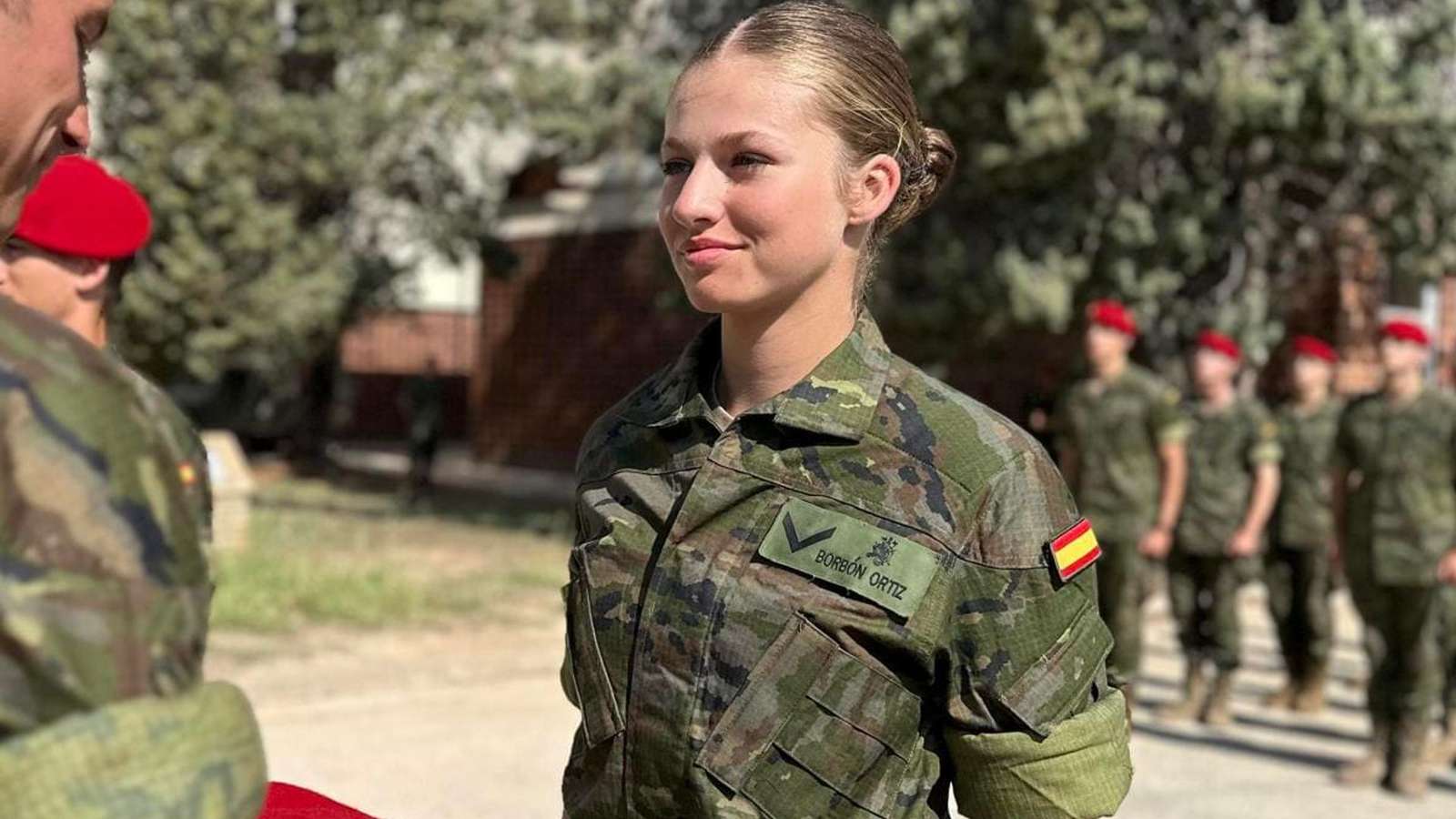
Princess Leonor completes advanced military training milestones
Princess Leonor of Spain continues to make headlines as she progresses through her structured three-year military education. As the heir to the Spanish throne, her immersion into the armed forces serves as a critical component of her preparation for the role of Supreme Commander of the Spanish Armed Forces, a duty she will assume upon her eventual accession to the throne.
The strategic significance of royal military service
The decision to place the Princess of Asturias in military institutions reflects a broader European tradition of ensuring future monarchs possess a foundational understanding of national defense. By serving in the Army, Navy, and Air Force, Leonor is gaining firsthand experience with the operational complexities and hierarchical structures that define the Spanish military. Observers note that this rigorous physical and academic schedule is designed to foster both personal discipline and institutional legitimacy.
Institutional expectations and public perception
The transparency surrounding her training has been viewed as a strategic effort to modernize the image of the Spanish monarchy. Reports indicate that the Princess has integrated well into her units, participating in exercises that mirror the experiences of her peers. This approach aims to bridge the gap between the royal family and the public, emphasizing that her leadership role is rooted in professional competency rather than traditional privilege alone.
- Princess Leonor is currently fulfilling a three-year military commitment as part of her constitutional preparation.
- Her training encompasses service across all three branches of the Spanish armed forces to ensure comprehensive defense literacy.
- The program is widely interpreted as a modernization effort to strengthen the monarchy’s connection with the Spanish public.
The ongoing military integration of Princess Leonor underscores a shift in how modern European monarchies cultivate authority, moving away from purely ceremonial roles toward a model of demonstrated professional readiness that aligns with contemporary societal expectations of public service.