


Illinois Launches Largest-Ever Infrastructure Plan
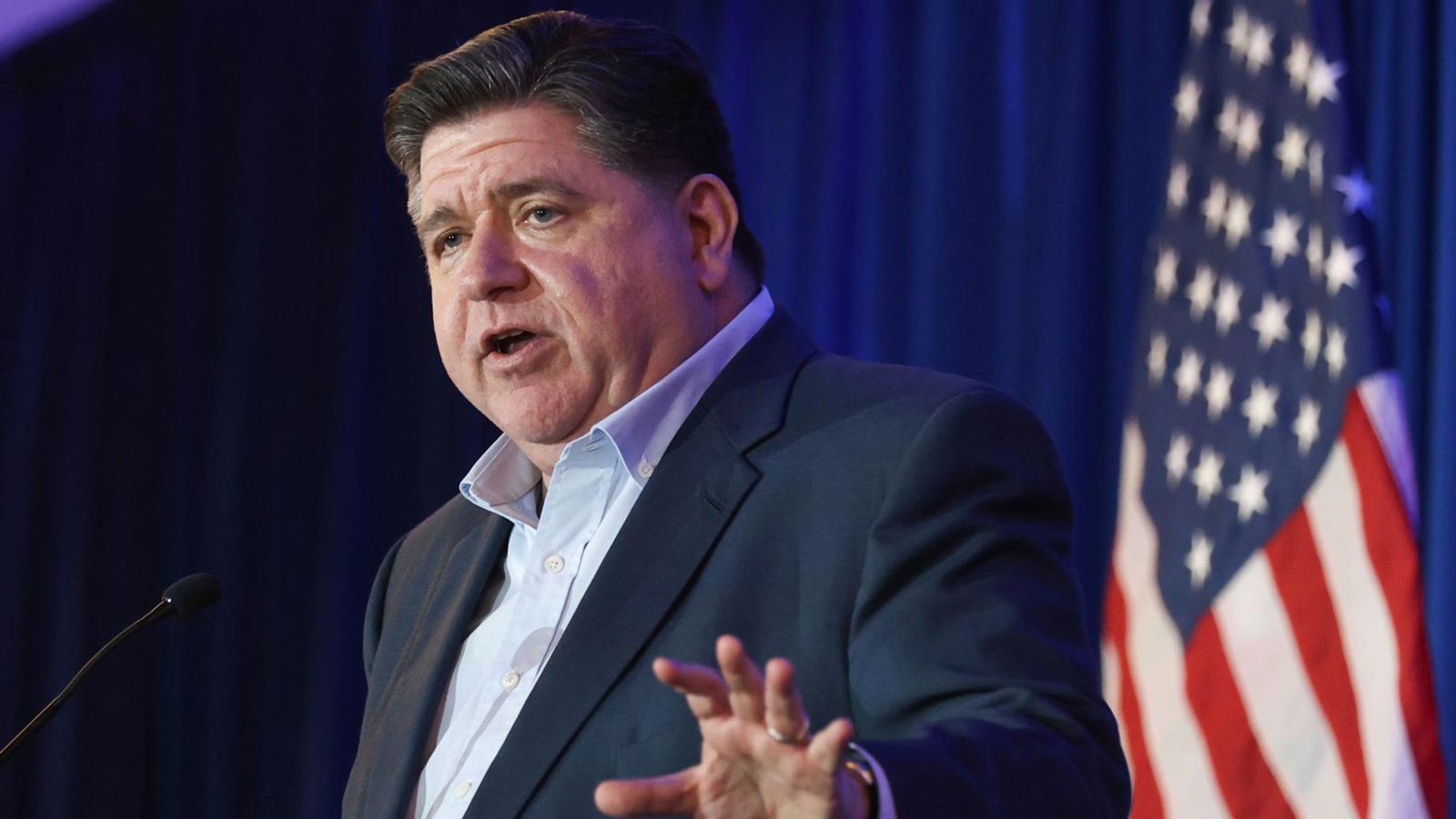
On a brisk Wednesday morning in Springfield, Governor JB Pritzker stood before a crowd of officials, construction workers, and reporters, unveiling what he called “the largest multi-year program to build and repair infrastructure in Illinois history.” The numbers were staggering: $50.6 billion set aside over six years, a sweeping investment designed to touch every corner of the state—from the bustling streets of Chicago to the quiet avenues of Metropolis.
At the heart of the plan is the Fiscal Year 2026-31 Proposed Highway and Multimodal Improvement Program, a blueprint for the future of Illinois transportation. This initiative isn’t just about pouring concrete and laying asphalt. It’s about reimagining how people and goods move across the Prairie State, striving to create “the best infrastructure system in the nation,” as Pritzker put it. WAND TV reports that the program will invest $32.5 billion in state and local roads and bridges, the backbone of Illinois’ travel network.
Transforming Transit, Rail, and More
But roads and bridges are only one piece of the puzzle. The program earmarks another $18.1 billion for other transportation modes, embracing a modern, multimodal approach. Of that, $13.8 billion is dedicated to transit systems—buses, trains, and services that connect communities and reduce reliance on personal vehicles. Freight and passenger rail receive $2.9 billion, aiming to strengthen Illinois’ role as a national transportation hub. Airports are set to benefit from $1.2 billion, enhancing connectivity for both passengers and cargo. Even ports and waterways, often overlooked, will see $200 million in upgrades.
The plan includes $400 million for bike and pedestrian improvements, an acknowledgment that mobility isn’t just about engines and wheels. In urban centers and rural towns alike, safer sidewalks, expanded bike lanes, and improved crossings will encourage healthier, more sustainable movement.
“Funding these projects is a valuable investment that will create jobs, make it easier for Illinoisans to get where they need to go, and further cement our status as the transportation center of the country,” said Senate President Don Harmon, according to WAND TV. The economic impact is expected to ripple outward, boosting local businesses and providing thousands of construction and engineering jobs.
Political Tensions Simmer Amid Progress
As Illinois sets its sights on modernization, political tensions remain palpable. Governor Pritzker’s press conference was not only a showcase for infrastructure, but also a platform for sharp rhetoric on national issues. In recent comments reported by WTVO, Pritzker didn’t mince words about President $1 Trump, accusing him of “dementia” and likening his tactics to those of Vladimir Putin. The debate centered on Trump’s deployment of ICE agents to Chicago, which Pritzker described as part of a broader plan to militarize American cities.
Pritzker’s criticism went further, suggesting the invocation of the 25th Amendment to remove Trump from office. Trump, in response, fired back at Pritzker, calling him a “loser” and blaming him for Chicago’s persistent crime challenges. The exchange painted a vivid picture of the heated political climate, where local infrastructure initiatives unfold against a backdrop of national discord.
The governor also addressed the federal government’s moves regarding immigration enforcement, stating, “We need comprehensive immigration reform, that is what will matter and what we can do when it comes to troops being sent into Chicago and to the state of Illinois is to immediately go to court.” The fate of federal troops in Chicago remains uncertain, but the debate underscores how state-level progress can be shadowed by federal policy disputes.
Building for the Future: Community Impact
Beyond the numbers and political sparring, the infrastructure program aims to shape daily life for millions of Illinoisans. Streets in Rockford, bridges in Springfield, transit lines in Decatur, and pedestrian paths in Carbondale—all will see some measure of improvement. For families commuting to work, businesses shipping products, and students biking to school, these upgrades promise tangible benefits.
The program’s scale is unprecedented, but its intent is straightforward: to modernize Illinois, make travel safer and more efficient, and build a foundation for economic growth. Local governments will play a crucial role, partnering with state agencies to prioritize projects and manage resources. The focus on multimodal solutions reflects a broader understanding that the future of transportation is diverse, interconnected, and increasingly green.
Public reactions so far have been cautiously optimistic. Many residents welcome the promise of better roads and transit, while some express concern about project timelines and potential disruptions. Environmental groups have praised the inclusion of bike and pedestrian improvements, seeing it as a step toward healthier communities.
As the state prepares to break ground on countless projects, the stakes are high. Will this investment deliver on its promise to transform Illinois’ infrastructure landscape? Will it set a new standard for other states to follow, or become mired in political gridlock and logistical challenges?
For now, the vision is clear: a modern Illinois, connected by roads, rails, airports, and waterways, where opportunity flows as freely as traffic on a newly paved highway.
Illinois’ record-breaking infrastructure plan signals a bold commitment to progress, but its success will hinge not just on funding and construction, but on the ability of state leaders to navigate complex political currents and deliver tangible benefits to communities across the state.