


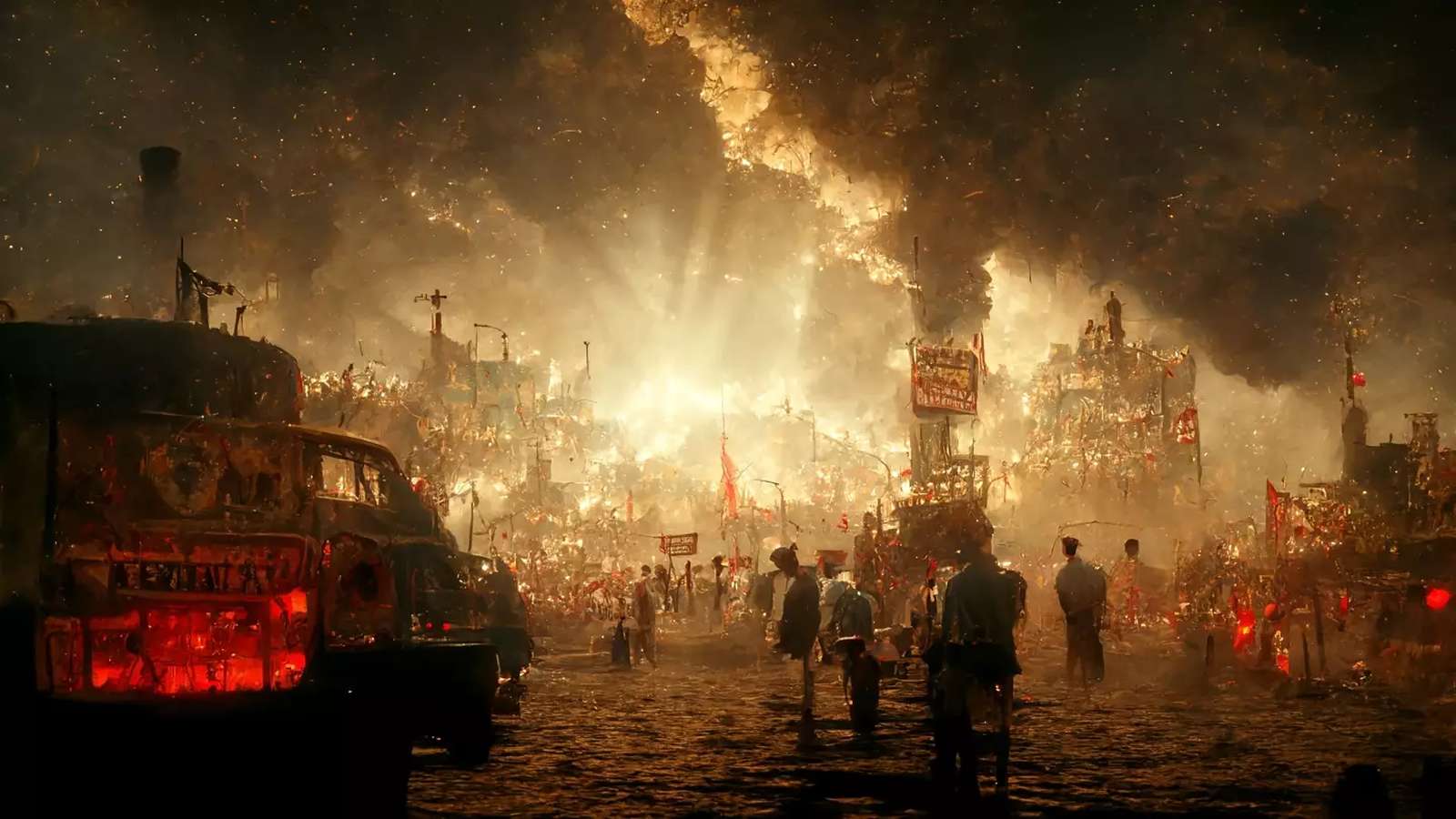
The Rapture Prophecy: From Dream to Global Sensation
On the eve of September 23, 2025, social media platforms erupted with one of the most feverish apocalyptic predictions in recent memory. In this latest wave, the “Rapture”—the sudden ascent of Christian believers into heaven—wasn’t just whispered about in church basements or obscure online forums. Instead, it blazed across TikTok, X, and YouTube, captivating millions and sparking a frenzy that blurred the line between satire and sincerity.
At the heart of this viral prophecy is Pastor Joshua Mhlakela, a South African preacher whose interview with CENTTWINZ TV became the seed for a digital wildfire. Mhlakela claimed that God appeared to him in a dream, conveying a clear, urgent message: “I am coming soon.” He specified the dates—September 23 and 24, 2025—coinciding with Rosh Hashanah, the Jewish New Year, and declared that the rapture was imminent, whether the world was ready or not. The pastor described vivid visions of Jesus seated on his throne, accompanied by warnings of “powerful beings” chasing and consuming those left behind. Despite the dramatic storytelling, the evidence offered was scant, rooted entirely in personal revelation.
TikTok’s RaptureTok: Where Faith Meets Viral Culture
As Mhlakela’s prophecy ricocheted across the internet, it spawned the phenomenon known as “RaptureTok.” Here, TikTok users posted impassioned videos, earnest testimonials, and—inevitably—parodies. Some, like user @alpharoyce_, claimed to have given away all possessions to “the heathens” and transferred the deed to her house, convinced none of this material world would matter post-rapture. Her videos, viewed by over a million, offered tips for preparing for ascension, sometimes straddling the line between satire and solemnity.
Others took the prophecy at face value, quitting jobs, selling cars, and planning for a future they believed would vanish overnight. The Billy Graham Evangelistic Association, cited by LADbible, described the rapture as the first phase of Christ’s second coming—believers would rise, receive “eternal bodies,” and join Jesus in the clouds. Non-believers, according to the narrative, would simply notice the sudden absence of neighbors and loved ones. As the story spread, posts and memes flooded X and TikTok, ranging from sincere prayers to comedic “post-rapture kits” for those left behind.
Comedian Kevin Fredericks took a skeptical—if humorous—angle, questioning the logistics: “What time zone is it happening in? There are 24 time zones on Earth, 38 if you count the half-hour ones. How do you all know?” His commentary highlighted a recurring theme: the paradox of a prophecy that claims precise timing, despite biblical passages such as Matthew 24:36 (“no one knows about that day or hour, not even the angels in heaven, nor the Son, but only the Father”).
History Repeats: Apocalyptic Predictions and Their Impact
This isn’t humanity’s first dance with doomsday. The rapture, as a doctrine, is a relatively recent addition to Christian eschatology, emerging in the 1830s. It’s not universally accepted, but within evangelical circles, belief is strikingly common—one survey cited by IFLScience found 61% of evangelical leaders globally believe in the rapture.
Yet, history is littered with failed prophecies. From Harold Camping’s infamous prediction of May 21, 2011, to the Mayan calendar’s “end” in 2012, apocalyptic dates have come and gone, leaving believers grappling with disappointment and, sometimes, embarrassment. The fallout can be serious: after Camping’s widely publicized forecast, reports surfaced of individuals selling homes and quitting jobs. More tragically, a 14-year-old Russian teenager died by suicide, overwhelmed by fear of the impending rapture—a stark reminder that these prophecies can wield real psychological power.
The current wave, amplified by the reach and immediacy of social media, has triggered similar behaviors. People have liquidated assets, surrendered possessions, and reorganized their lives around a single, uncertain promise. For some, the rapture prophecy offers hope and urgency; for others, it’s a springboard for satire and skepticism.
Why Do Apocalyptic Beliefs Catch Fire?
What drives so many to embrace—or at least entertain—the notion that the world will end on a specific date? Sociologists and psychologists point to several factors. Apocalyptic predictions often surge in times of uncertainty, offering a narrative that simplifies chaos into a cosmic story of salvation and judgment. The digital age supercharges this, enabling fringe ideas to gain traction rapidly and globally.
Platforms like TikTok provide an arena for collective storytelling, where personal anxieties, religious conviction, and performative humor intermingle. As Complex reports, “RaptureTok” is a textbook example of how religious ideas are refracted through internet culture—sometimes sincerely, sometimes ironically, always with viral potential. For some, the prophecy is a call to faith; for others, it’s an opportunity for community, connection, or just a laugh.
In this maelstrom, the line between belief and performance blurs. Videos offering advice on “how to fly into the sky” coexist with memes about leveling up in Pokémon Go before the rapture. The spectrum of responses underscores a broader truth: apocalyptic prophecies resonate because they offer both meaning and spectacle, hope and catharsis.
The Aftermath: What Happens When the Date Passes?
As September 23 dawns and the world continues spinning, the prophecy—like all its predecessors—will inevitably confront reality. For those who staked their lives and livelihoods on Mhlakela’s vision, waking up on September 24 may bring relief, confusion, or regret. For the internet at large, the episode will fuel new memes, debates, and perhaps another round of predictions.
Ultimately, the “Rapture 23” phenomenon is a mirror for the anxieties and aspirations of a connected age. It’s a story about faith and skepticism, the power of viral culture, and the enduring human fascination with the end of days. Whether embraced as truth or lampooned as folly, it reminds us that, in the digital era, prophecy travels faster—and farther—than ever before.
In a world saturated by information and uncertainty, the viral spread of the rapture prophecy reveals as much about our collective psychology as it does about faith. The event itself may not materialize, but the reactions—ranging from hope to humor, action to anxiety—are a testament to the power of belief, and the unpredictable ways it shapes lives both online and off.