


Legal Fallout and Financial Restructuring
Rebel Creamery LLC, the Utah-based manufacturer of keto-friendly ice cream, has filed for Chapter 11 bankruptcy protection. The move follows a significant legal defeat in a trademark infringement lawsuit brought by competitor Van Leeuwen Ice Cream LLC, which resulted in a $23.785 million judgment against the company.
In its bankruptcy petition filed in the U.S. Bankruptcy Court for the District of Utah, Rebel Creamery reported assets and liabilities in the $10 million to $50 million range. The company, which distributes its products nationwide through major retailers including Walmart, Target, Kroger, and Stop & Shop, confirmed that the outstanding judgment accounts for the bulk of its unsecured liabilities. The filing is intended to allow the business to restructure its debts while continuing ongoing operations.
This report draws on information published by foodprocessing.com and newsday.com.
The Trademark Dispute
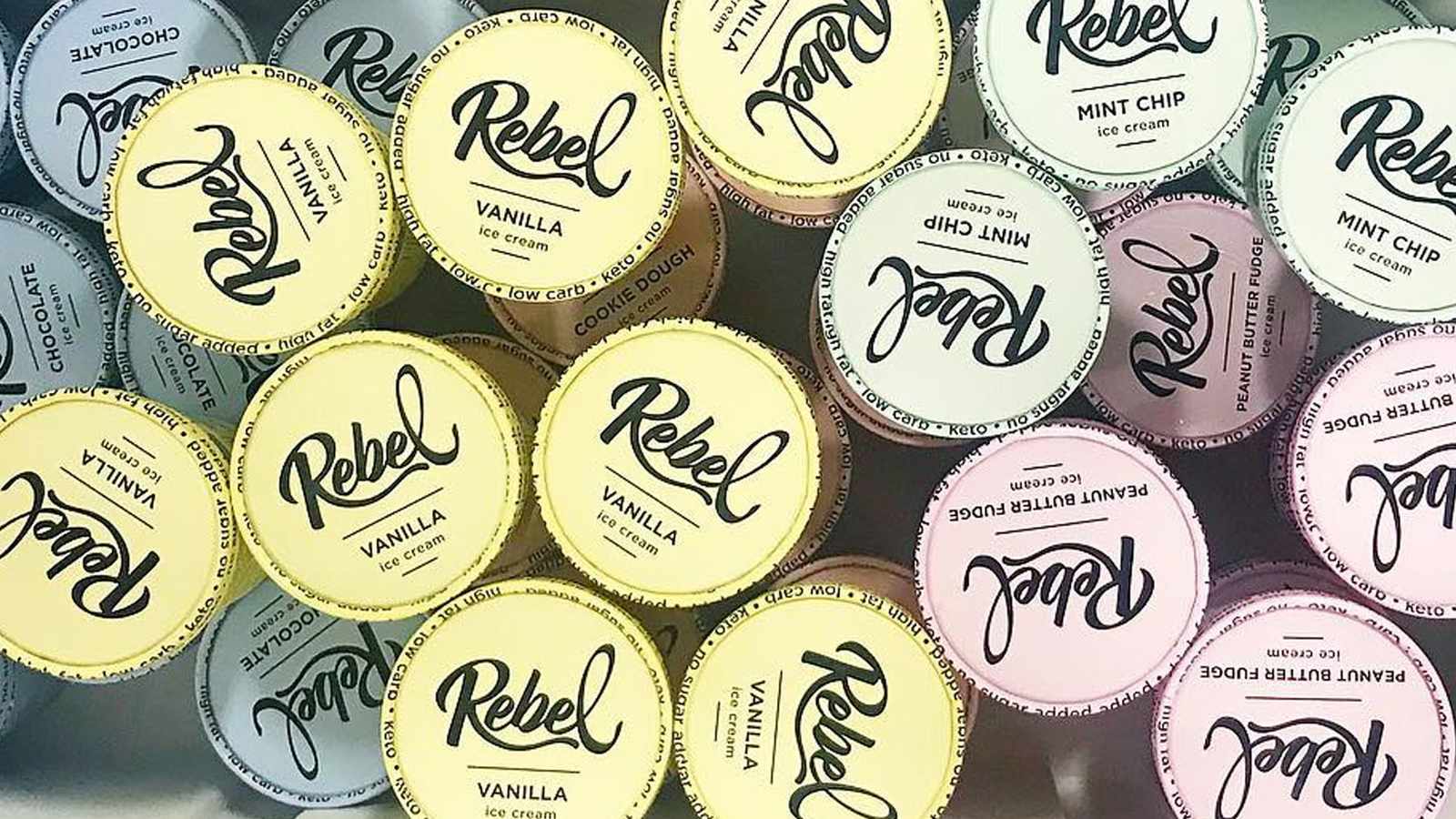
The legal conflict originated in April 2021 when Van Leeuwen, a Brooklyn-based producer, accused Rebel Creamery of trade dress infringement. The lawsuit alleged that Rebel’s packaging design—characterized by bright, single-color backgrounds and black script lettering—was intentionally similar to Van Leeuwen’s established branding.
On July 16, 2026, Judge Eric Komitee of the U.S. District Court for the Eastern District of New York ruled in favor of Van Leeuwen, finding that Rebel had “intentionally” copied the competitor’s packaging. The court ordered Rebel to redesign its product labels and pay the multi-million dollar penalty. While Rebel Creamery has indicated that the judgment is currently under appeal, the immediate financial burden necessitated the Chapter 11 filing.
Market Impact and Future Outlook
Founded in 2017, Rebel Creamery built its reputation on a niche market of “low-glycemic” and keto-friendly dairy products. The brand has maintained a strong retail presence, but industry analysts suggest that the combination of the legal judgment and the associated costs of rebranding packaging could present significant operational hurdles.
Unlike Chapter 7 bankruptcy, which would involve the liquidation of assets and the closure of the business, Chapter 11 allows Rebel to reorganize under court supervision. The future of the brand will likely depend on its ability to satisfy creditors while successfully executing a pivot in its visual branding to comply with the court’s order to discontinue the use of its current packaging design.