


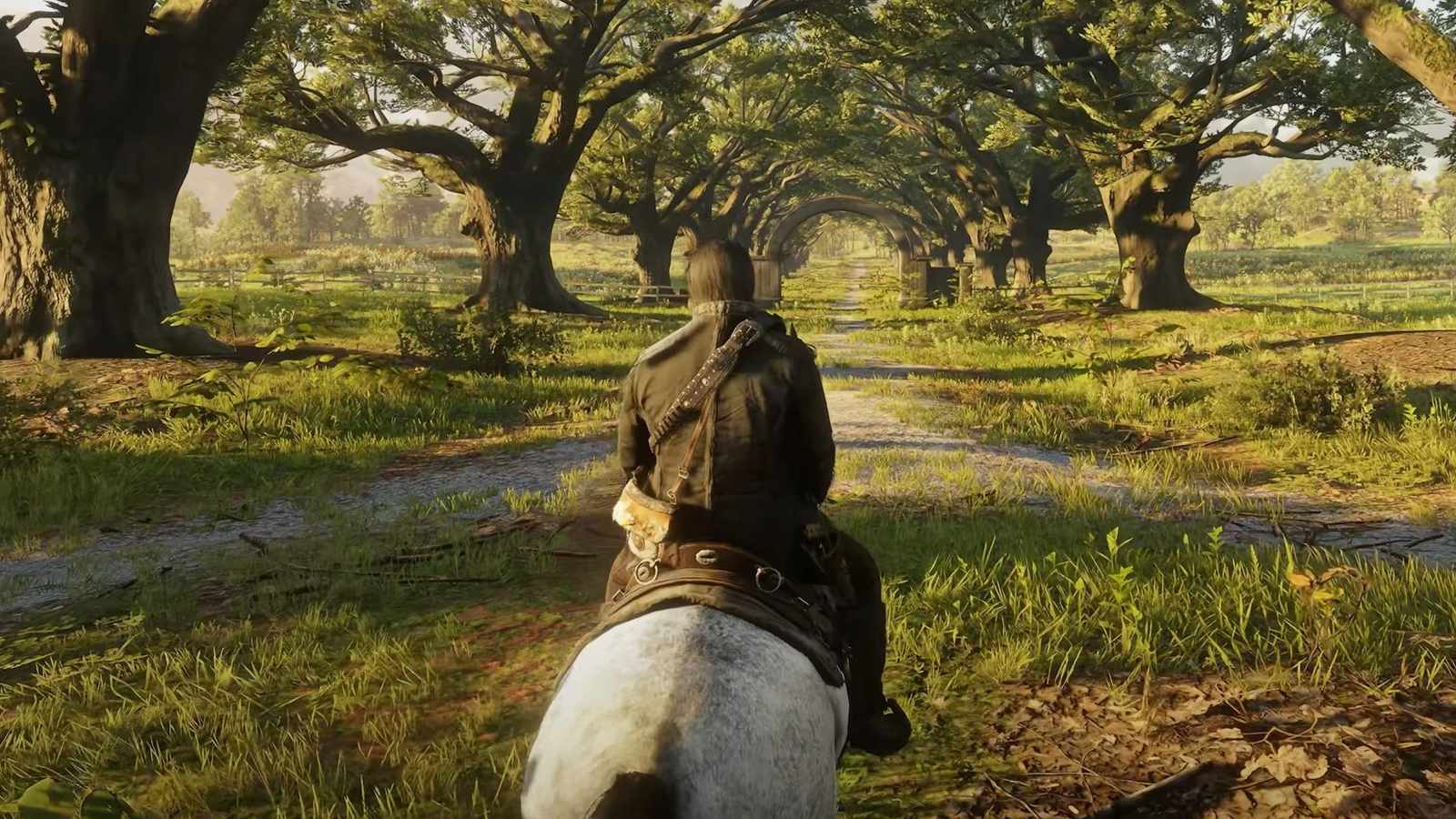
A Lasting Benchmark
Nearly a decade after its 2018 debut, Rockstar Games’ Red Dead Redemption 2 maintains its position as the “platinum standard” for open-world gaming. According to industry analysis from DualShockers, the title is consistently used as an index for quality, with its balance of realism and stylization serving as the primary point of comparison for modern developers.
What sets the game apart is not merely its scale, but the depth of its environmental interaction. Players continue to discover minute, granular details that contribute to a sense of a living, breathing world. This level of immersion has proven so influential that it continues to shape the design philosophy of upcoming major titles, including the highly anticipated Grand Theft Auto VI.
Defining the Modern Open World
The legacy of Red Dead Redemption 2 lies in its refusal to sacrifice detail for performance. By favoring realism, Rockstar created an experience that feels intentionally paced and grounded. Reports from GamingBible indicate that upcoming features in the next generation of Rockstar titles—such as refined honor systems and enhanced animal interactions—are directly evolving from the systems established in the American frontier of Red Dead Redemption 2.
While other open-world giants like Elden Ring or The Legend of Zelda: Breath of the Wild have redefined gameplay through freedom and traversal, Red Dead Redemption 2 stands alone in its commitment to simulation. It remains the title against which the industry measures “lived-in” environments, ensuring that its influence will be felt for years to come.