


Clarifying the Terminology
As the United States celebrates its semiquincentennial, political discourse remains deeply divided over the nature of its government. The phrase “the United States is a republic, not a democracy” is frequently employed in American political debates. However, according to recent analysis from Liberal Currents, this distinction is often based on a misunderstanding of political science, as the terms are not mutually exclusive.
In technical terms, a republic is a government where sovereign power derives from citizens rather than a monarch, while a democracy is a system where the people govern—either directly or through elected representatives. The U.S. is both: it is a republic (lacking a hereditary monarch) and a representative democracy (where officials are chosen by voters).
Historical Roots and Misinterpretations
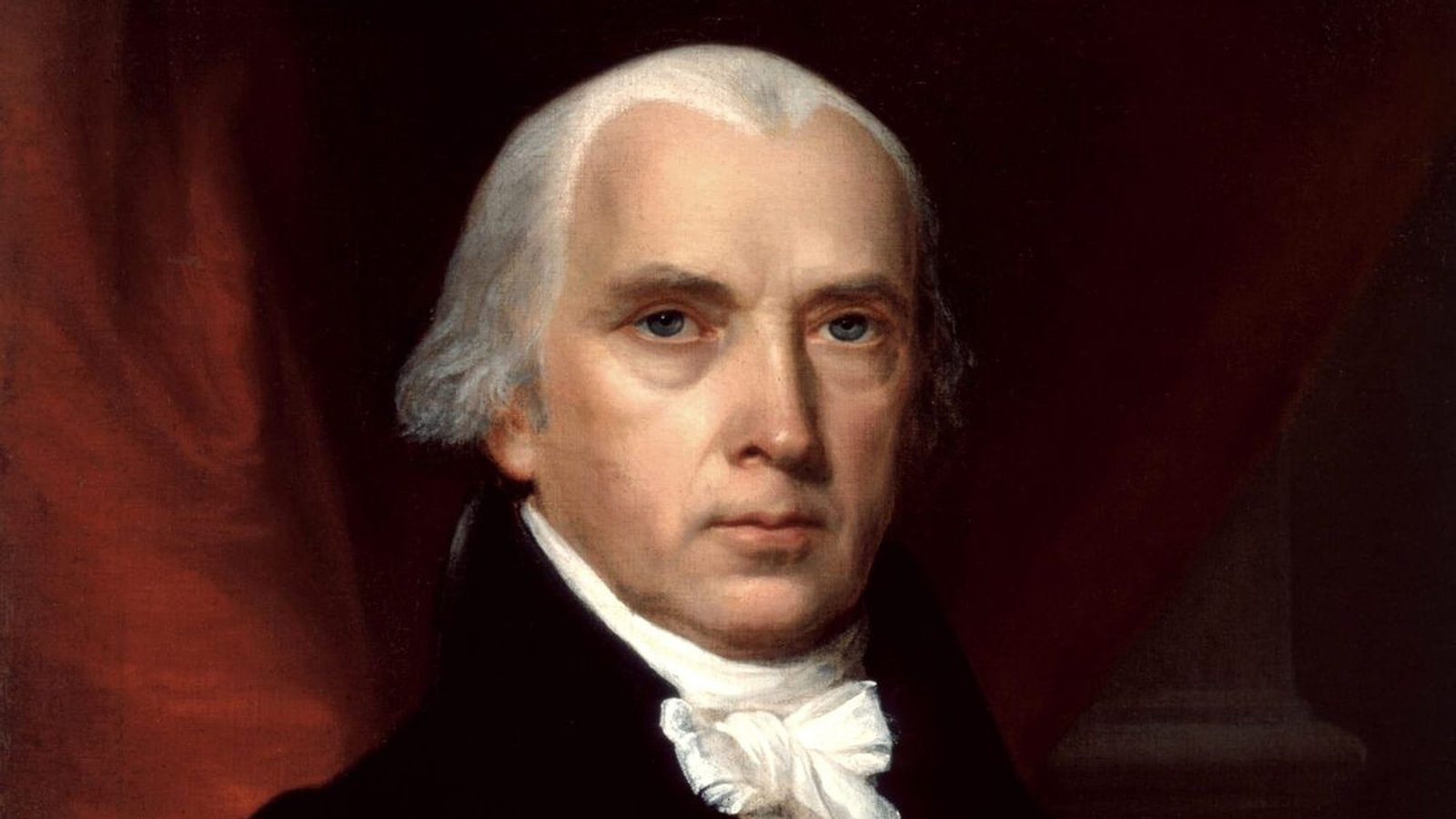
The confusion often traces back to the writings of James Madison in The Federalist Papers. Madison distinguished between “pure democracy” (direct governance by citizens) and a “republic” (governance via representation). Modern scholars note that in Madison’s era, “republic” was simply synonymous with what we now call a representative democracy.
Dr. James Fieseher, writing in the Union Leader, highlights that while the Declaration of Independence set the stage for self-governance, the nation has spent 250 years struggling to define the scope of equality. The debate over whether the U.S. is a republic or a democracy has, over time, been co-opted to defend specific political agendas.
The Stakes of the Rhetoric
Historical research indicates that the phrase “a republic, not a democracy” has frequently appeared in contexts defending minoritarian interests. From 19th-century defenses of slavery to 20th-century segregationist rhetoric, the slogan has been used to justify structures that limit the influence of the majority, such as the Electoral College or the Senate’s equal state representation.
Contemporary political figures continue to utilize this framing to challenge democratic outcomes they oppose. Experts argue that rather than a sophisticated constitutional argument, the slogan often serves as a tool to justify oligarchical or anti-pluralistic aspirations. As the U.S. navigates its 250th year, the debate over these terms reflects a deeper schism regarding whether the nation should prioritize liberal majority rule or protect the power of specific political minorities.