


The ‘Six Words’ That Saved The Martian
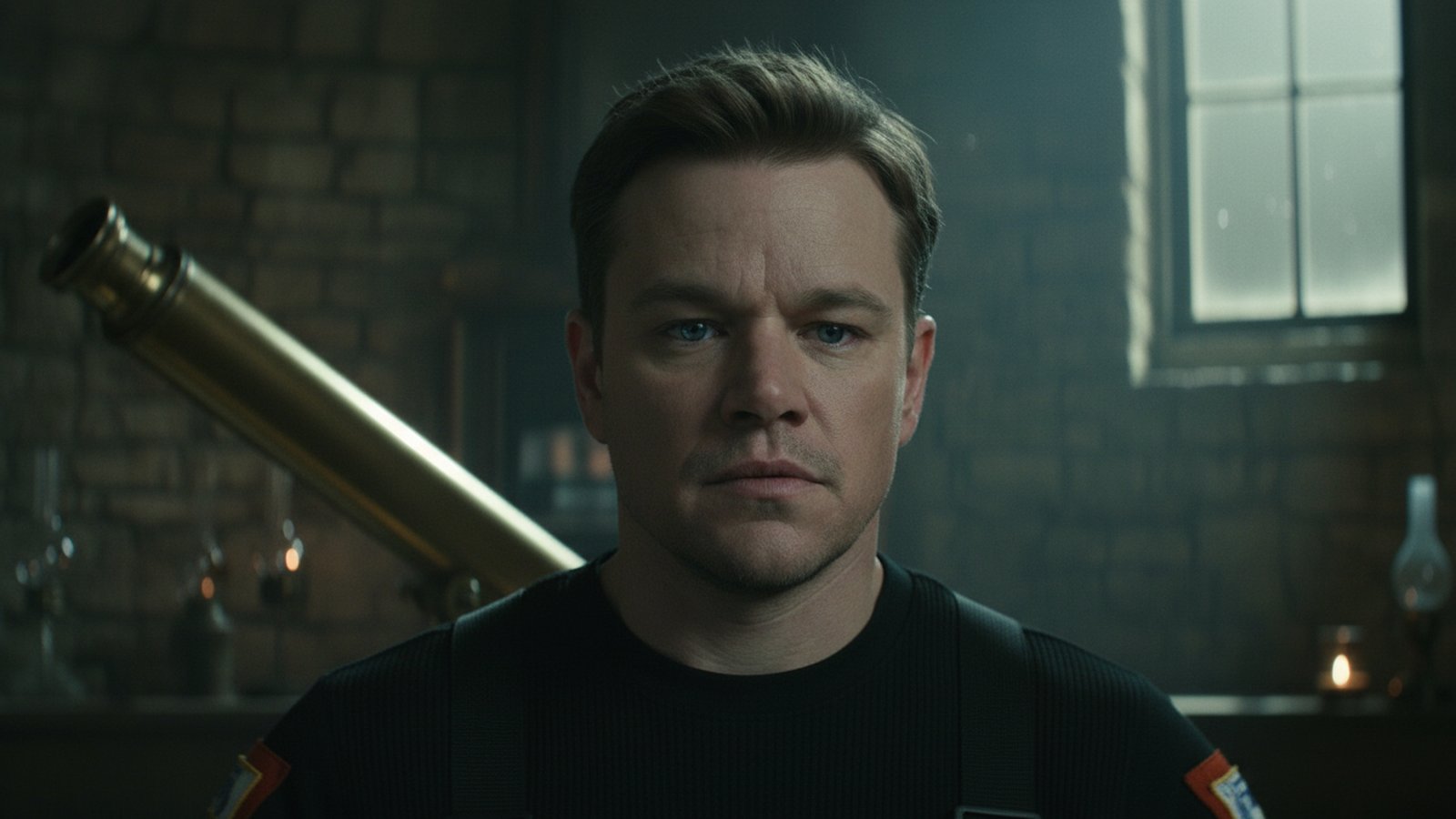
In an industry often characterized by diplomatic caution and elaborate PR-friendly narratives, Ridley Scott’s communication style remains a jarring, effective anomaly. A recently resurfaced anecdote from actor Matt Damon regarding the 2015 blockbuster The Martian has gone viral, offering a rare window into the decision-making process of one of cinema’s most prolific directors. At the time, Damon was hesitant to take the lead role of Mark Watney because he had just filmed Christopher Nolan’s Interstellar. Both films featured Damon as an astronaut stranded on a lonely planet, and the actor feared the redundancy would harm his career or confuse audiences.
Damon’s concern was met with a characteristically blunt response from Scott. According to the actor, Scott dismissed the anxiety with just six words: “Who gives a f***? It’s different!” This refusal to over-intellectualize the marketing optics or the ‘actor’s brand’ was the catalyst Damon needed. The result was a $630 million global box office success and seven Academy Award nominations. This interaction highlights a central pillar of Scott’s enduring influence: a focus on the work itself over the industry’s perceived constraints.
The Scott Free Machine: Productivity at 88
At 88 years old, Ridley Scott is currently operating with a level of productivity that would exhaust directors half his age. Through his production banner, Scott Free, he has maintained a steady hand in both television and film. While he recently stepped back from the sci-fi genre to focus on historical epics like Napoleon and the upcoming Gladiator II, his influence on the genre he helped define—science fiction—remains inescapable. Scott is currently preparing for his next feature, The Dog Stars, an adaptation of Peter Heller’s post-apocalyptic novel starring Josh Brolin and Jacob Elordi. Scott has gone on record stating that this upcoming horror-thriller is his best work in over a decade, a bold claim for a man with his filmography.
His television output is equally robust. Scott Free is the engine behind The Terror, a supernatural horror anthology on AMC that has been praised for restoring the ‘joy of horror’ to the small screen. With Season 4 now in development, the series has avoided the pitfalls of modern anthologies—often criticized for being ‘stuffy’ or ‘nebulous’—by leaning into Scott’s preference for psychological tension and concrete storytelling. This success is compounded by the upcoming Blade Runner 2099 series for Prime Video, which Scott is producing. Starring Michelle Yeoh and Hunter Schafer, the series aims to bridge the gap between the 1982 original and the 2017 sequel, Blade Runner 2049.
The Legacy of Stewardship: Alien and Blade Runner
Scott’s legacy is perhaps best measured by his stewardship of the Alien and Blade Runner franchises. Unlike many directors who distance themselves from their early hits, Scott has remained an active producer, ensuring the aesthetic and thematic integrity of these universes. Blade Runner 2049, directed by Denis Villeneuve but produced by Scott, remains a high-water mark for the legacy sequel. Despite a modest initial box office, the film has found immense longevity on VOD platforms like Apple TV and Prime Video, where it remains a top purchase nearly a decade after its release. Its influence is visible in modern media ranging from Cyberpunk 2077 to The Fifth Element.
The Alien franchise, too, continues to thrive under his oversight. From the 1979 original to the polarizing but visually stunning prequels Prometheus and Covenant, Scott’s ‘steady producing hand’ has kept the Xenomorph relevant. This institutional memory is vital for Hollywood, which often struggles to balance innovation with franchise maintenance. Scott’s ability to pivot between directing $200 million epics and producing tight, character-driven TV shows suggests a pragmatism that is rare in contemporary cinema.
Conclusion: The Pragmatic Visionary
Ridley Scott’s career serves as a rebuttal to the idea that great art requires agonizing over public perception. Whether it is convincing a major movie star to ignore genre redundancy or pushing through twenty films in twenty-six years, Scott’s approach is rooted in execution. As audiences await Gladiator II and The Dog Stars, the Matt Damon anecdote serves as a reminder: sometimes the best creative advice is to stop overthinking and simply do the work. In a world of ‘cinematic universes’ and ‘brand management,’ Scott’s blunt, six-word philosophy remains his most effective tool.