


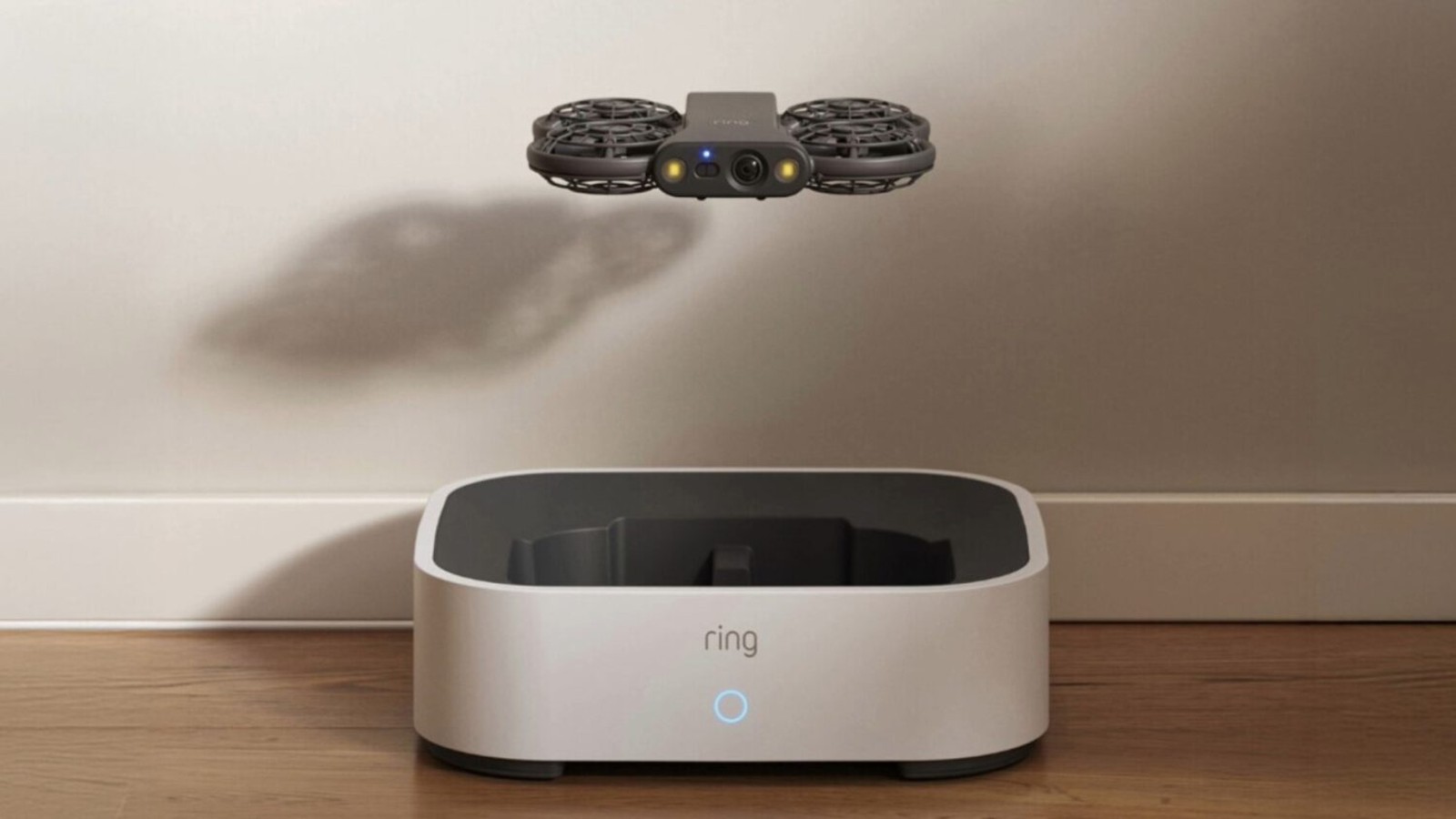
Amazon’s Ring announced a major expansion of its security portfolio on Monday, November 9, 2026, unveiling two autonomous mobile devices under a new Ring Robotics brand during a demonstration in New York. CNBC reported that the company debuted the $249.99 Ring Drone Cam for indoor home monitoring and the $999.99 Ring Rover Cam for business security, marking a significant strategic move from fixed security cameras into autonomous mobile patrols. Ring CEO Jamie Siminoff stated that the devices are designed to respond automatically to sensor alerts, investigate suspicious activity, and act as a visual crime deterrent.
Both products depend heavily on Ring’s proprietary AI Pilot navigation system, which combines onboard cameras, sensors, and cloud processing to map indoor environments and navigate around furniture or obstacles. While Gadget Review noted that scheduled patrols and advanced video-review features require a paid Ring Protect subscription, the hardware specifications and operational limits of both machines reveal distinct deployment challenges for consumers and businesses alike.
Inside the Ring Drone Cam: Capabilities and Flight Limits
The textbook-sized Ring Drone Cam is engineered to fly autonomously between rooms, including upstairs, during day or night conditions. Users can configure custom patrol routes or set the device to launch automatically when a compatible Ring alarm, window sensor, or door sensor is triggered. According to Ring’s official specifications, the drone records video exclusively while airborne and returns automatically to its charging dock after approximately eight minutes of continuous flight.
The device features enclosed plastic-encased propellers that produce a loud audible buzzing sound during flight. Ring executives position this noise, combined with a visible operating LED light, as a deliberate deterrent against intruders. However, independent security analysts point out that no verifiable evidence has been presented to demonstrate that the drone effectively reduces criminal activity. Furthermore, regulatory hurdles remain unresolved; Ring’s official announcements confirm that the Drone Cam has not yet received required Federal Communications Commission authorization and cannot be legally sold or leased until that clearance is secured ahead of its scheduled January 27, 2027 shipping date.
Ring Rover Cam: Commercial Patrol on Wheels
Aimed at offices, warehouses, and retail spaces up to 5,000 square feet, the $999.99 Ring Rover Cam represents Amazon’s heavier-duty commercial security tier. Scheduled to begin shipping on December 16, 2026, the Rover features a periscope-style camera designed to see over counters and shelving, streams video at up to 4K resolution, supports two-way audio, and activates a built-in siren upon detecting a security breach.
The Rover Cam directly repurposes design concepts from Amazon’s Astro for Business robot. As noted in prior industry reporting by CNBC and GeekWire, the original Astro hardware had a short commercial life and received very limited updates following its initial launch in 2023. Businesses evaluating the Rover Cam must weigh its automated patrol capabilities against the commercial longevity of Amazon’s previous robotic hardware ventures.
Persistent Privacy Questions Surrounding Mobile Surveillance
Beyond technical specifications and regulatory approvals, Ring’s entry into mobile robotics revives long-standing privacy debates. The company has previously faced intense public scrutiny regarding its data-sharing practices with law enforcement agencies and recently canceled a controversial integration with license-plate-reader firm Flock Safety.
Moving cameras that autonomously patrol private homes and workplaces, respond to sensor events, and continuously stream data to cloud servers introduce complex new monitoring concerns. Critical questions regarding exact video retention periods, strict access controls, employee notice requirements, and third-party data processing remain unaddressed by Ring’s current hardware-level safeguards, such as visible recording LEDs. As Amazon pushes deeper into smart homes alongside rivals like Apple and Google in a market projected by Grand View Research to top $200 billion, consumer trust and regulatory compliance will dictate whether autonomous indoor security devices achieve mainstream acceptance.