


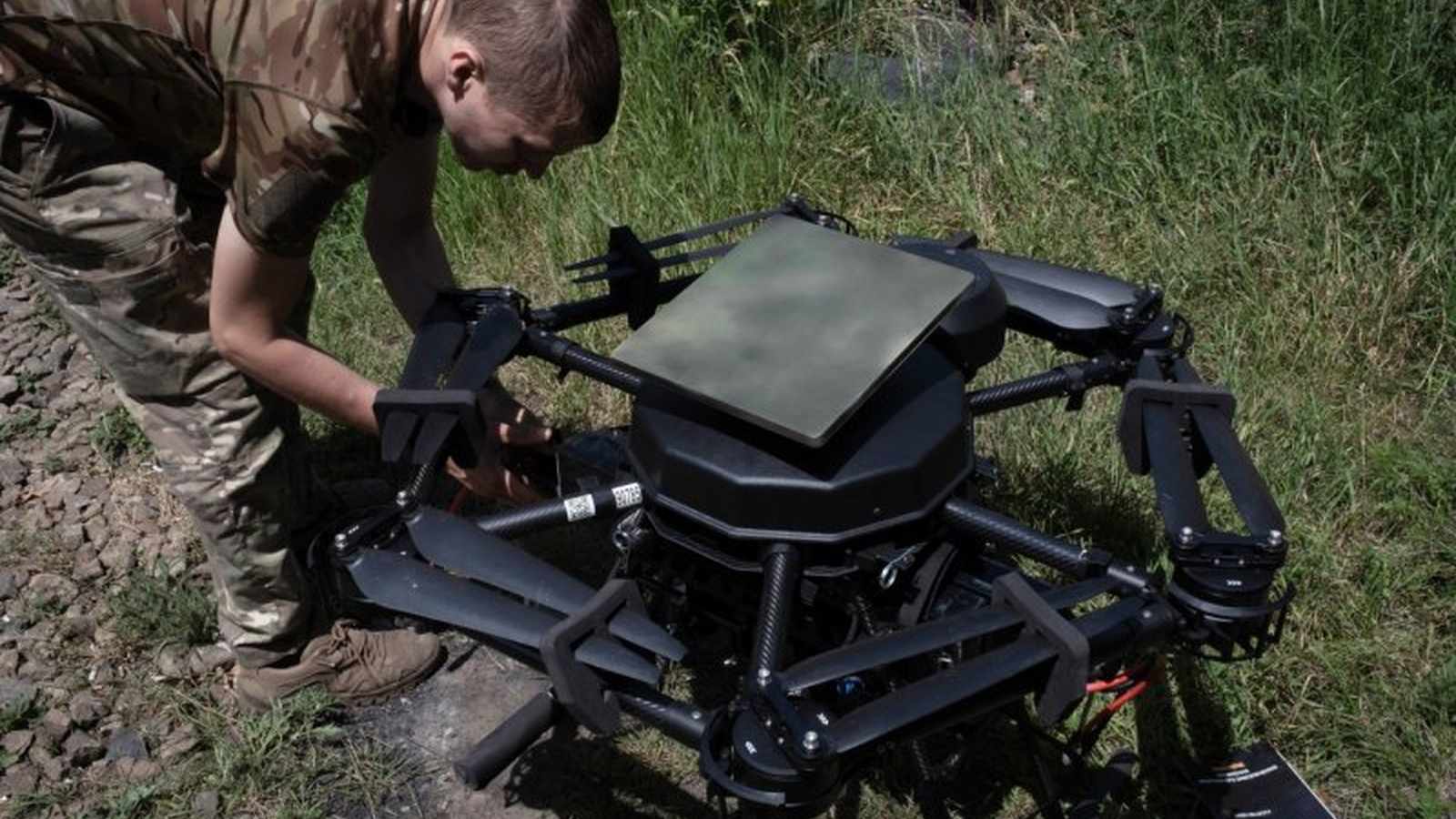
Russia has begun utilizing its newly developed Rassvet satellite network for military communications over Ukraine, according to an intelligence assessment published on November 6, 2026. Ukrainian military intelligence reported that Moscow is leveraging the domestic low-orbit constellation to improve the targeting precision and electronic jamming resistance of its long-range strike drones.
The deployment marks a significant technological shift in the conflict. While Russian forces previously relied on grey-market Starlink terminals before Kyiv lobbied SpaceX to disable them, Moscow has accelerated development of its own system. According to the Main Intelligence Directorate of Ukraine’s Ministry of Defense (Military Times), Russia has launched 32 Rassvet satellites into low Earth orbit across two separate batches in March and July 2026.
Intermittent Operational Windows
Despite the active deployment, Ukrainian intelligence notes that the current satellite constellation remains limited in geographic scope and capability. GUR spokesman Andrii Yusov stated that the network cannot yet provide uninterrupted coverage over Ukrainian territory. Instead, communication is available intermittently during specific passes when satellites traverse relevant operational zones.
Independent security analysts, however, warn that even partial windows have tangible battlefield consequences. Kyiv-based security analyst Mykola Zientsev noted in a recent assessment that Russia currently maintains at least two high-quality satellite communications windows daily, each lasting over an hour. This intermittent connectivity is reportedly sufficient to facilitate two-way data exchange for unmanned aerial vehicles.
Strategic Stakes and Countermeasures
Security officials indicate that the integration of Rassvet could eventually allow reconnaissance drones to transmit real-time telemetry and enable operators to adjust attack drone trajectories in flight. This capability reduces dependence on pre-programmed flight paths, helping munitions evade Ukrainian air defense systems and electronic warfare countermeasures.
The development has triggered immediate diplomatic and economic pushback from Kyiv. President Volodymyr Zelenskyy recently imposed sanctions on 10 entities involved in the project, including Bureau 1440, the state-backed coordinator aiming to expand the constellation to over 900 satellites by 2035. Furthermore, Ukrainian officials, including chargé d’affaires in Washington Denys Sienik, have urged the United States to enact secondary sanctions, alleging that the Starlink alternative relies heavily on imported Chinese components.
As Moscow plans additional rocket launches before the end of 2026 to widen geographic coverage, Ukrainian defense authorities are actively discussing technical and strategic countermeasures to neutralize the emerging communications threat.