


A Legislative Push for Economic Reform
Rep. Ro Khanna (D-Calif.) has intensified his efforts to distinguish his progressive platform from the broader Democratic Party establishment, particularly on issues of healthcare and technological infrastructure. In a high-profile appearance on Meet the Press on August 16, 2026, Khanna directly challenged the stance of House Minority Leader Hakeem Jeffries, reaffirming his commitment to the “Medicare for All” legislative agenda.
While Leader Jeffries has explicitly stated that Medicare for All is not currently supported by his caucus leadership, Khanna maintains that the policy remains the “most important priority” for the party’s future. This public disagreement highlights a deepening divide within the Democratic ranks regarding the speed and scope of systemic healthcare reform.
The ‘Data Center Bill of Rights’
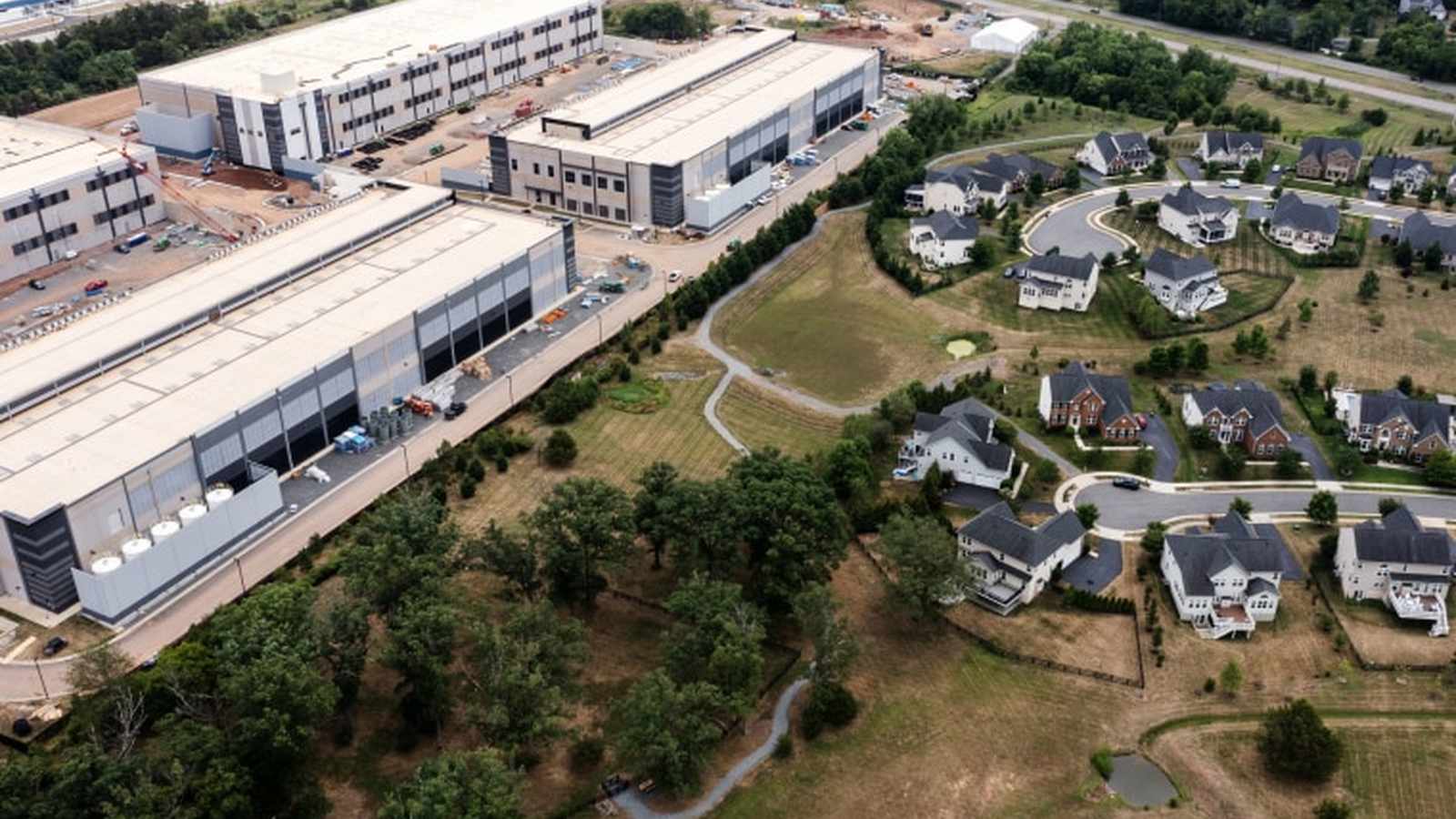
Beyond healthcare, Khanna is pivoting toward a national economic vision centered on regulating the rapid expansion of Artificial Intelligence infrastructure. He has formally introduced a proposal for a “Data Center Bill of Rights,” aimed at curbing the unchecked growth of AI server facilities that have sparked local opposition across the country.
Khanna argues that the current boom in data center construction must be balanced against the needs of local residents, citing concerns over noise, water consumption, and air pollution. His proposed resolution would grant communities the legal authority to ban data centers in residential areas, reject utility rate hikes intended to subsidize their energy usage, and mandate the transition to clean energy sources for these facilities. The policy aligns with broader public skepticism; a March Gallup survey indicated that 71% of Americans oppose the local construction of AI data centers, providing a populist tailwind to Khanna’s legislative efforts.
Vision for 2028 and Beyond
Khanna’s recent public positioning has fueled speculation regarding a potential 2028 presidential bid. When asked about his differences with other prominent progressive voices, such as Rep. Alexandria Ocasio-Cortez, Khanna framed his candidacy as rooted in a distinct “economic vision.” By focusing on concrete regulatory frameworks for the digital economy and universal healthcare, he is attempting to carve out a lane that appeals to both traditional progressive bases and voters concerned with the local impacts of corporate tech expansion.
While he stopped short of confirming a run for the White House, his emphasis on a national economic strategy suggests a deliberate attempt to move beyond the “progressive” label and toward a broader, policy-first platform that addresses the intersection of technology and public welfare.