


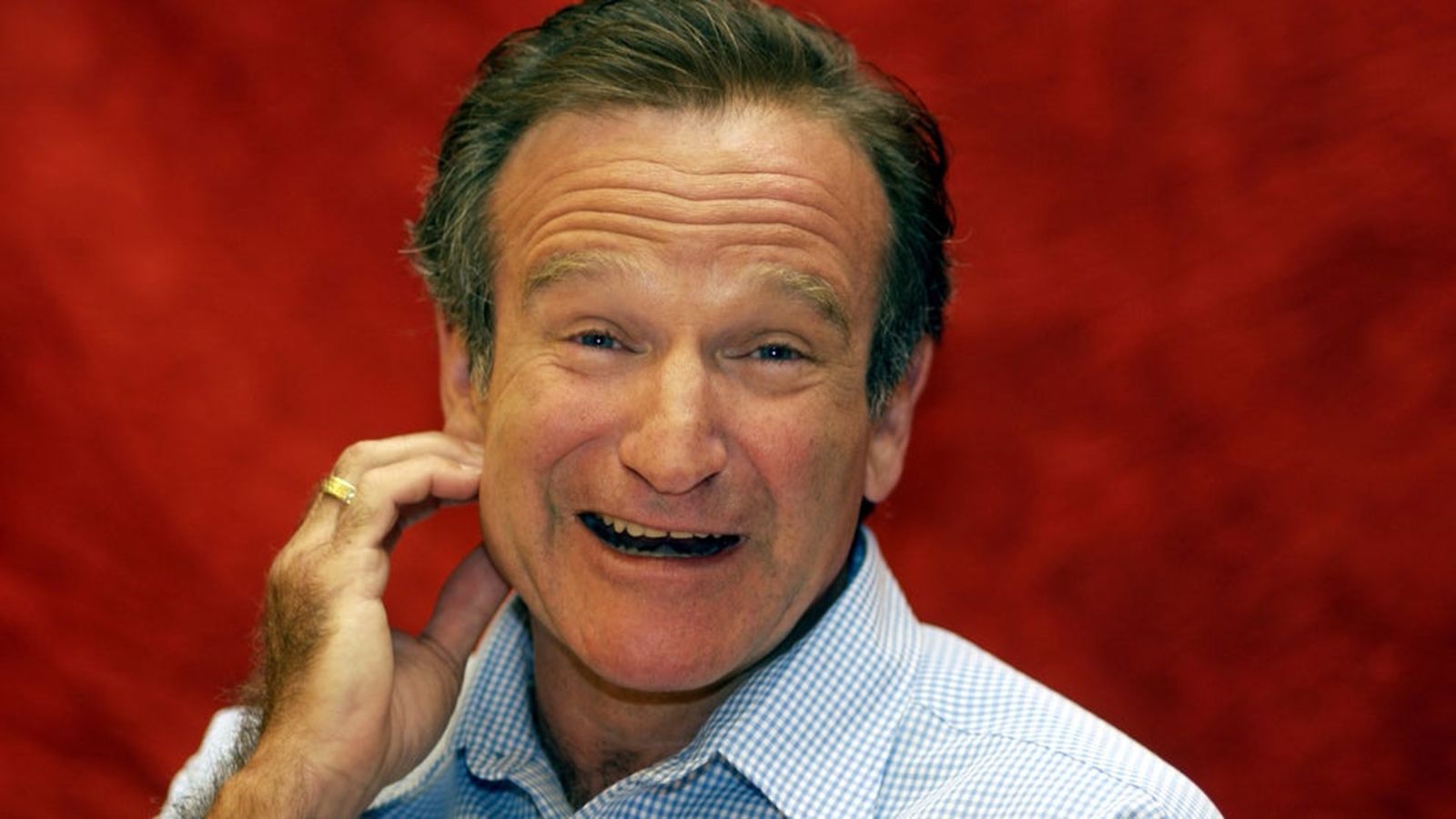
The children of the late Oscar-winning actor Robin Williams have reactivated his official Instagram account after more than a decade of inactivity, marking a direct transition from passive observation to active platform stewardship in an effort to counter unauthorized artificial intelligence-generated deepfakes of his voice and image.
Establishing an Authentic Archival Hub
Zak Williams, 43, Zelda Williams, 37, and Cody Williams, 34, published a joint statement on the newly reactivated profile to mark what would have been their father’s 75th year. The account, which had remained dormant since the actor passed away in August 2014 at the age of 63, is being repurposed into a verified destination for authentic photographs, video clips, and historical memories spanning his legacy in iconic works such as Mrs. Doubtfire, Aladdin, and Hook.
Addressing fans on her personal profile, Zelda Williams acknowledged that seeing her father’s page posting content again might be unexpected or emotionally difficult for long-time admirers. However, she explained that active curation had become the most viable method to counter the influx of synthetic digital media. “Believe me, I know it’s a little strange,” she wrote. “Making that space into one where people can find authentic clips and photos of him is one of the best ways we’ve now found to fight back against rampant AI abuse of his voice and likeness on here.”
Confronting the Proliferation of AI ‘Slop’
The intervention follows years of mounting public frustration over unauthorized generative AI videos circulating across major social platforms. Generative software and deepfake tools have enabled online users to create synthetic audio and video representations of deceased public figures, often referred to colloquially as online “slop.”
Zelda Williams had previously appealed directly to internet users to stop generating and sending her synthetic videos featuring her father, describing the practice as “gross” and morally unacceptable. In prior statements, she criticized the trend of condensing complex artistic human achievements into automated digital approximations. She argued that generating synthetic media from real lives was akin to producing “over-processed hotdogs” out of human history, stressing that such manipulation directly contradicts what her father would have supported.
Digital Estates and the Enforcement Challenge
The Williams family’s initiative underscores an escalating systemic challenge facing the digital estates of deceased cultural figures. As generative AI technology becomes widely accessible, unauthorized cloning of celebrity likenesses, vocal tones, and physical appearances has expanded rapidly across entertainment platforms, often outpacing platform moderation and legislative protections.
Because legal mechanisms governing post-mortem publicity rights remain fragmented across international borders, rights holders are increasingly forced to rely on proactive brand management and platform verification strategies. By establishing an authoritative, authentic digital archive, the Williams family aims to crowd out deceptive synthetic media and ensure that future generations engage with verified historical records of the late actor’s work.