


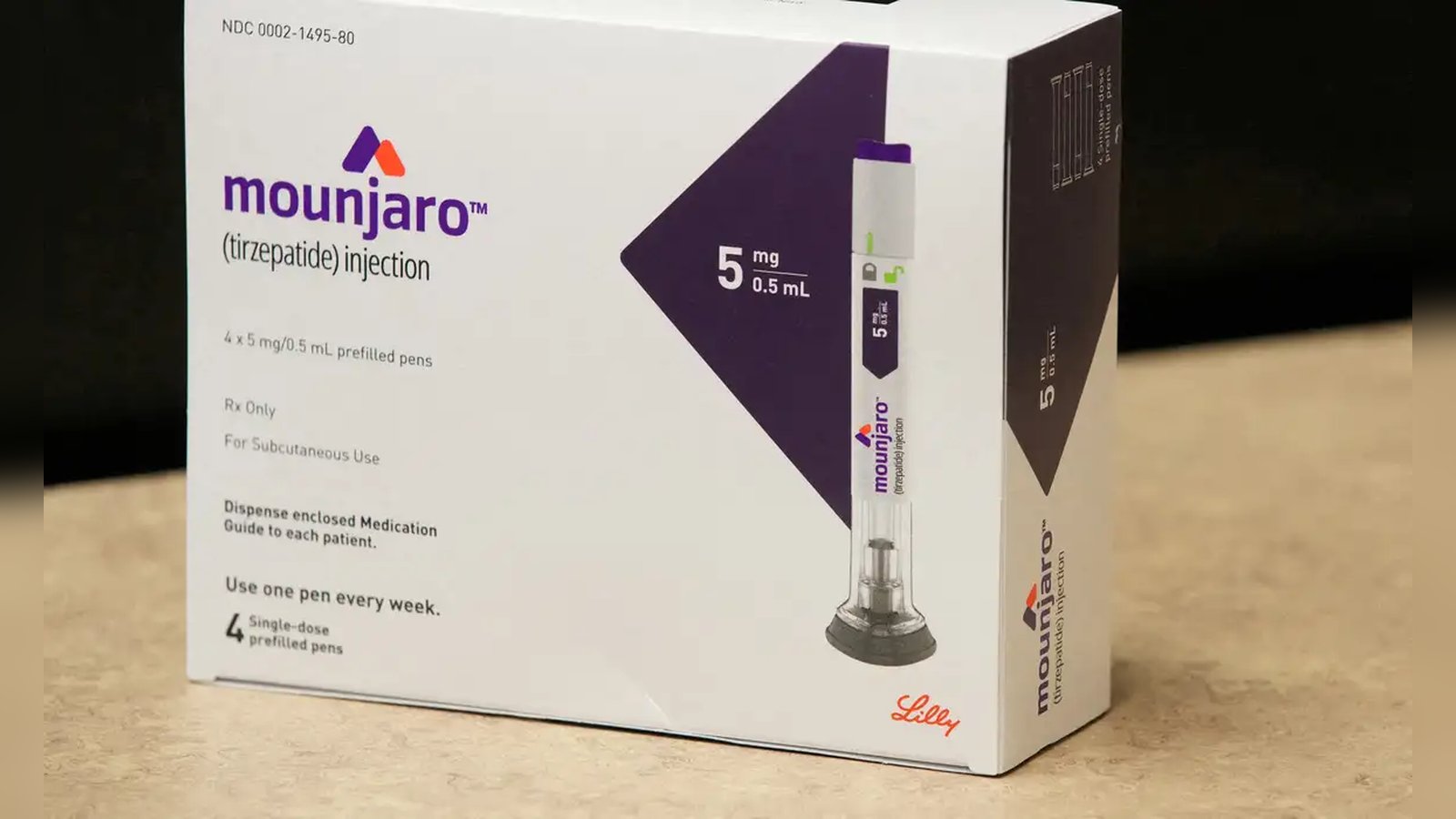
The global market for metabolic and obesity therapies is experiencing an unprecedented commercial gold rush, even as healthcare regulators and clinical researchers intensify their scrutiny of the class-wide safety profiles of glucagon-like peptide-1 (GLP-1) receptor agonists. While pharmaceutical giants Novo Nordisk and Eli Lilly compete aggressively to transition patients from weekly injectables to convenient daily pills, international regulatory bodies are actively investigating potential links to severe adverse events, and clinical case reports are highlighting rare, systemic complications that challenge the long-term safety narrative of these blockbuster treatments.
Clinical Safety Under the Microscope: Regulators Respond to Pancreatitis Concerns
Public concern regarding the safety of GLP-1-based obesity treatments has intensified following viral reports of severe gastrointestinal complications. In response, South Korea’s Ministry of Food and Drug Safety (MFDS) issued a formal clarification regarding reported cases of pancreatitis associated with dual GIP/GLP-1 receptor agonists like Eli Lilly’s Mounjaro (tirzepatide) and GLP-1 agonists like Novo Nordisk’s Wegovy (semaglutide). The MFDS confirmed that while acute pancreatitis and gallbladder diseases are already reflected in the domestic prescribing information, a definitive causal relationship has not been established in reported domestic cases.
According to official MFDS data, three cases of pancreatitis associated with tirzepatide products and four cases involving semaglutide products have been reported through March 2026 since their respective market launches. Despite the lack of confirmed causality in these specific instances, the regulator is keeping these therapies under close surveillance. This domestic monitoring aligns with broader international actions. In January 2026, the United Kingdom’s Medicines and Healthcare products Regulatory Agency (MHRA) strengthened its clinical warnings following reports of necrotizing and fatal acute pancreatitis involving both GLP-1 and dual GIP/GLP-1 drugs.
Concurrently, the European Medicines Agency (EMA) completed an evaluation of the association between semaglutide and non-arteritic anterior ischemic optic neuropathy (NAION)—a rare condition that can lead to permanent vision loss—prompting the MFDS to initiate revisions to Korean prescribing information to list NAION as a very rare adverse reaction. Highlighting the growing regulatory caution, the MFDS also issued an administrative notice proposing to designate both tirzepatide and semaglutide as drugs with a high potential for misuse or abuse, reflecting anxieties over off-label cosmetic use.
Masking Severe Pathology: The Case of Eosinophilic Gastroenteritis
While common side effects such as nausea, vomiting, and mild abdominal discomfort are frequently dismissed as manageable “background noise” by both patients and clinicians, a newly published clinical case report from Saudi Arabia highlights how these symptoms can mask far more severe, immune-mediated pathologies. A 57-year-old female patient with type 2 diabetes, who had been prescribed semaglutide, presented with severe epigastric pain, persistent loss of appetite, and significant unintended weight loss lasting over four months.
Subsequent diagnostic workups revealed marked systemic eosinophilia, and endoscopic biopsies of her stomach and duodenum confirmed a rare diagnosis of eosinophilic gastroenteritis. This condition, characterized by the infiltration of eosinophils into the gastrointestinal tissue, can lead to chronic inflammation, malabsorption, and tissue damage if left untreated. The case serves as a critical warning for the medical community: standard gastrointestinal side effects must not be reflexively ignored, and persistent symptoms warrant comprehensive diagnostic evaluation to rule out rare, systemic adverse reactions to GLP-1 therapies.
The Oral Obesity Duel: Novo Nordisk’s Early Lead and Eli Lilly’s Counter-Strategy
These escalating clinical and regulatory developments are unfolding against the backdrop of a fierce commercial battle over the next frontier of obesity care: oral formulations. A full commercial quarter after the April 2026 approval of Eli Lilly’s weight-loss pill, Foundayo, financial data reveals a striking divergence in performance. In the second quarter of 2026, Novo Nordisk’s oral Wegovy generated DKK 3.22 billion ($496 million) in revenue, decisively outperforming Lilly’s Foundayo, which brought in $98 million.
Industry analysts attribute Novo’s strong first-round victory to structural advantages. Sara Reci, managing pharma analyst at GlobalData, noted that Novo Nordisk successfully leveraged the immense brand equity of the semaglutide franchise. By extending the established Wegovy brand into an oral formulation, Novo bypassed the need for extensive physician and patient education, utilizing existing familiarity with the injectable version. Furthermore, clinical data gives Novo an efficacy edge: oral Wegovy elicits approximately 16.6% weight loss at 72 weeks, compared to 11.2% for Foundayo at the same time point.
However, Eli Lilly is positioning its oral offering for a long-term counter-offensive. Unlike oral Wegovy—which is a peptide requiring strict administration guidelines, including being taken with water followed by a mandatory 30-minute fast—Foundayo is a small-molecule drug with no dietary restrictions. This simpler administration profile offers a significant convenience advantage that could drive patient switching as the market matures. Additionally, because small-molecule drugs are less complex and costly to manufacture than peptides, analysts expect Lilly to compete aggressively on price points in highly price-sensitive international markets outside the United States, securing high-volume growth.
Next-Generation Pipelines: CagriSema, Retatrutide, and the Race to 2032
The long-term landscape of the obesity market will ultimately be shaped by next-generation multi-receptor agonists currently advancing through clinical pipelines. Novo Nordisk is currently playing defense after its fixed-dose combination therapy, CagriSema (semaglutide combined with the amylin analog cagrilintide), failed to show statistical non-inferiority to Lilly’s Zepbound in a Phase 3 head-to-head trial. This clinical miss previously wiped approximately $72 billion off Novo’s market capitalization, raising stakes for the company’s other pipeline assets, such as zenagamtide (formerly amycretin), which showed promising weight reduction in mid-stage trials.
Conversely, Eli Lilly’s long-term strategy heavily relies on retatrutide, an oral “triple-G” agonist targeting GLP-1, GIP, and glucagon receptors. Late-stage Phase 3 data demonstrated that retatrutide achieved an unprecedented 26.1% placebo-adjusted weight loss over 80 weeks at its highest dose. The drug has generated intense anticipation among key opinion leaders, with an FDA submission planned for 2027. GlobalData projections suggest that while Novo Nordisk will maintain its oral market lead through 2028, Lilly’s superior pipeline efficacy with retatrutide will allow it to overtake Novo and progressively widen the market share gap through 2032.
The Intersection of Clinical Risk and Commercial Expansion
The convergence of multi-billion dollar commercial interests and serious safety investigations underscores a pivotal moment for metabolic medicine. As pharmaceutical companies rush to scale production and capture market share, the medical community and regulatory agencies must maintain a delicate balance. Ensuring that patient safety warnings are updated in real-time, educating clinicians on the necessity of investigating atypical symptoms, and monitoring long-term real-world data will be essential to preventing the commercial success of these therapies from being undermined by unrecognized clinical risks.