


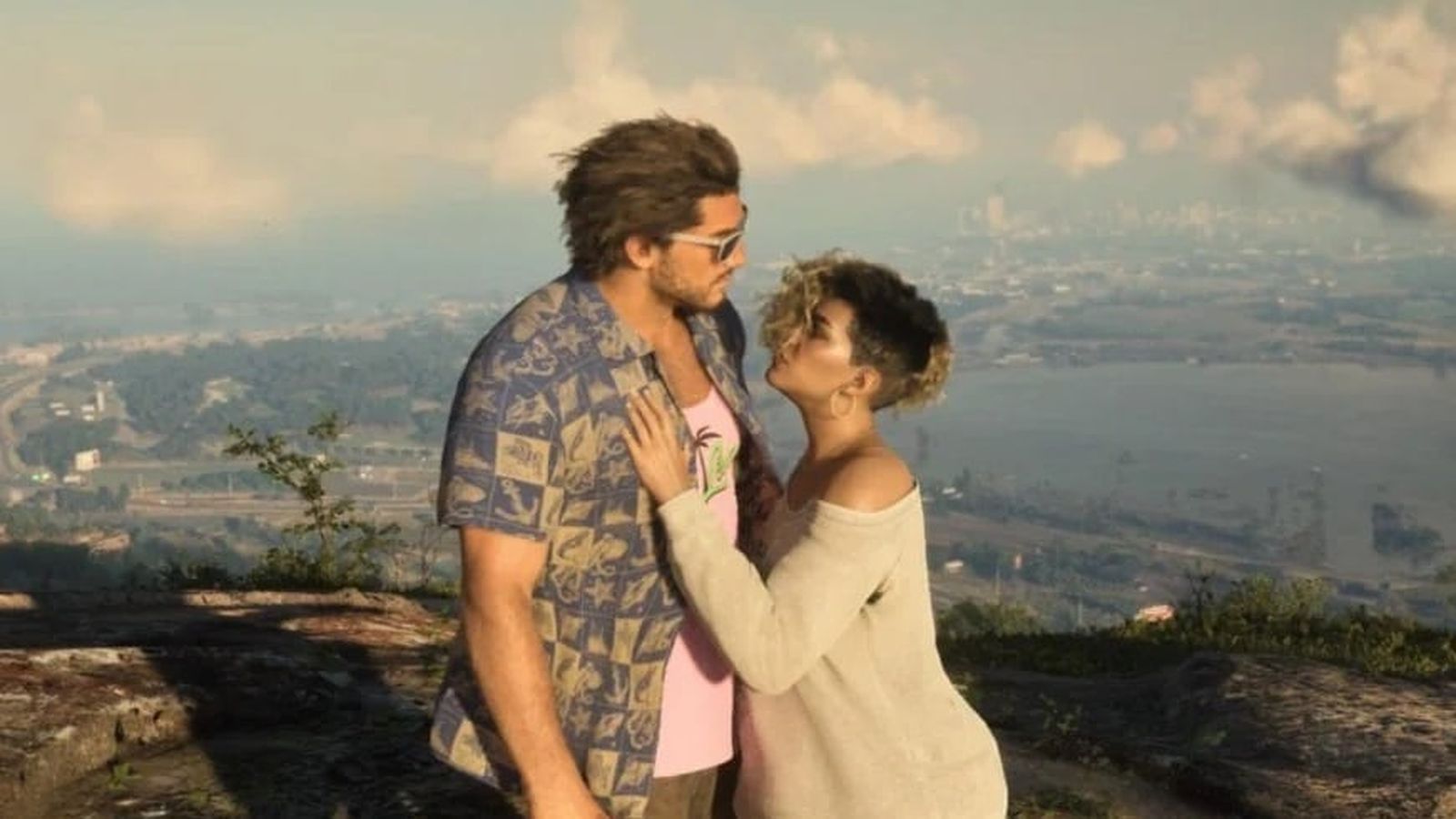
A Shift in Design Philosophy
As players navigate the expansive landscape of Leonida in Grand Theft Auto 6, developers at Rockstar Games have issued a distinct directive regarding how the experience should be approached. In studio development notes reported by Kotaku on November 21, 2026, Rockstar Vice President of Design Stephen Donkin explicitly urged users to move away from traditional “completionist” habits. Instead of focusing on task lists, achievement percentages, and online guides, the studio is encouraging a more organic, meditative style of play.
This pivot marks a deliberate departure from the franchise’s long-standing reputation as a “chaos simulator.” While previous entries in the series were often defined by high-octane violence and criminal excess, the development team behind GTA 6 is prioritizing a sense of “wonder.” By encouraging players to disconnect from social media noise and second-screen aids, Rockstar aims to foster an environment where the game’s handcrafted details can be fully appreciated at the player’s own pace. Donkin emphasized that the game is designed to feel “almost infinite at a macro level,” while maintaining the intimacy of a human-crafted experience.
The Architecture of Wonder
Donkin, whose history with the studio includes quality assurance work on GTA 5, suggested that players should strive to reach a point where they stop thinking in terms of tasks and completion percentages. He noted that when players take their time and engage with the game at the pace it asks of them, it unfolds in a way that feels unique to each individual. Senior Design Director Ghyan Koehne echoed this sentiment, noting that while the game retains the franchise’s signature thrills and humor, those elements are no longer the exclusive focus. The team is intentionally carving out space for quieter, more reflective gameplay moments that challenge the industry standard of algorithmically optimized gaming.
The stakes of this guidance are significant for the broader gaming landscape. As modern open-world titles increasingly rely on checklists and rapid progression to drive player engagement, Rockstar’s approach attempts to redefine the player’s relationship with the virtual environment. The design team suggests that by letting go of the need for efficiency and rewards, players can uncover a version of Leonida that is more nuanced and emotionally resonant than a purely objective-driven run would allow. If players can let go and submit to becoming immersed in the world of Leonida, and simply follow their nose, they will experience the world as the developers intended.
Balancing Immersion and Mechanics
While Rockstar advocates for a more explorative mindset, the game’s internal economy remains a structural reality. Reporting by Beebom highlights that financial management for protagonists Jason and Lucia is more critical than in previous installments. Players must navigate a banking system where cash must be deposited to avoid losses during arrests or character death. This creates a functional tension: the game demands careful resource management through banking, interest-earning, and selling stolen valuables at fences, yet the developers encourage players to look past these mechanics to find a deeper sense of discovery.
The game also features a sophisticated Criminal Profile system, where a heat mechanic tracks the player’s past appearances, forcing them to manage their identity through wardrobe changes, hairstyles, and tattoos to avoid police attention. Furthermore, the relationship between Jason and Lucia is central to the gameplay loop. Players are encouraged to invest in their partnership through gifts and cooperative missions, which can be handled by switching characters or summoning the other protagonist to act as a team. These mechanics are deep, yet they are intended to serve the narrative and the world-building rather than just acting as a checklist of chores.
Redefining the Open-World Experience
The tension between the “chaos” of traditional GTA gameplay and the “wonder” of the new design philosophy represents a core challenge for the player base. For those accustomed to treating open-world games as mazes to be solved, the transition to a more immersive, “follow your nose” style of play requires a fundamental shift in perspective. The size of Leonida, which is described as being double the combined area of Red Dead Redemption 2 and GTA 5, provides a massive canvas for this type of exploration. From investigating UFO locations and searching for Bigfoot to simply finding meditation spots to improve character stats, the game is dense with activities that exist entirely outside the main narrative path.
Ultimately, the studio’s guidance suggests that the most meaningful experiences in Leonida will not be found in checklists, but in the moments of emergent discovery that occur when players stop treating the game as a series of tasks to be completed. By stepping away from the second-screen experience—putting down the phone, ignoring the TikTok memes, and avoiding the social media rage-bait—players can engage with the world in a more personal, meaningful way. Whether it is through the nuanced AI of the NPCs, the ability to play mini-games on television, or simply driving through the varied landscapes, Rockstar’s vision for GTA 6 is one of profound, player-led immersion that rewards curiosity over completionist efficiency.