


Strategic Design for Long-Term Engagement
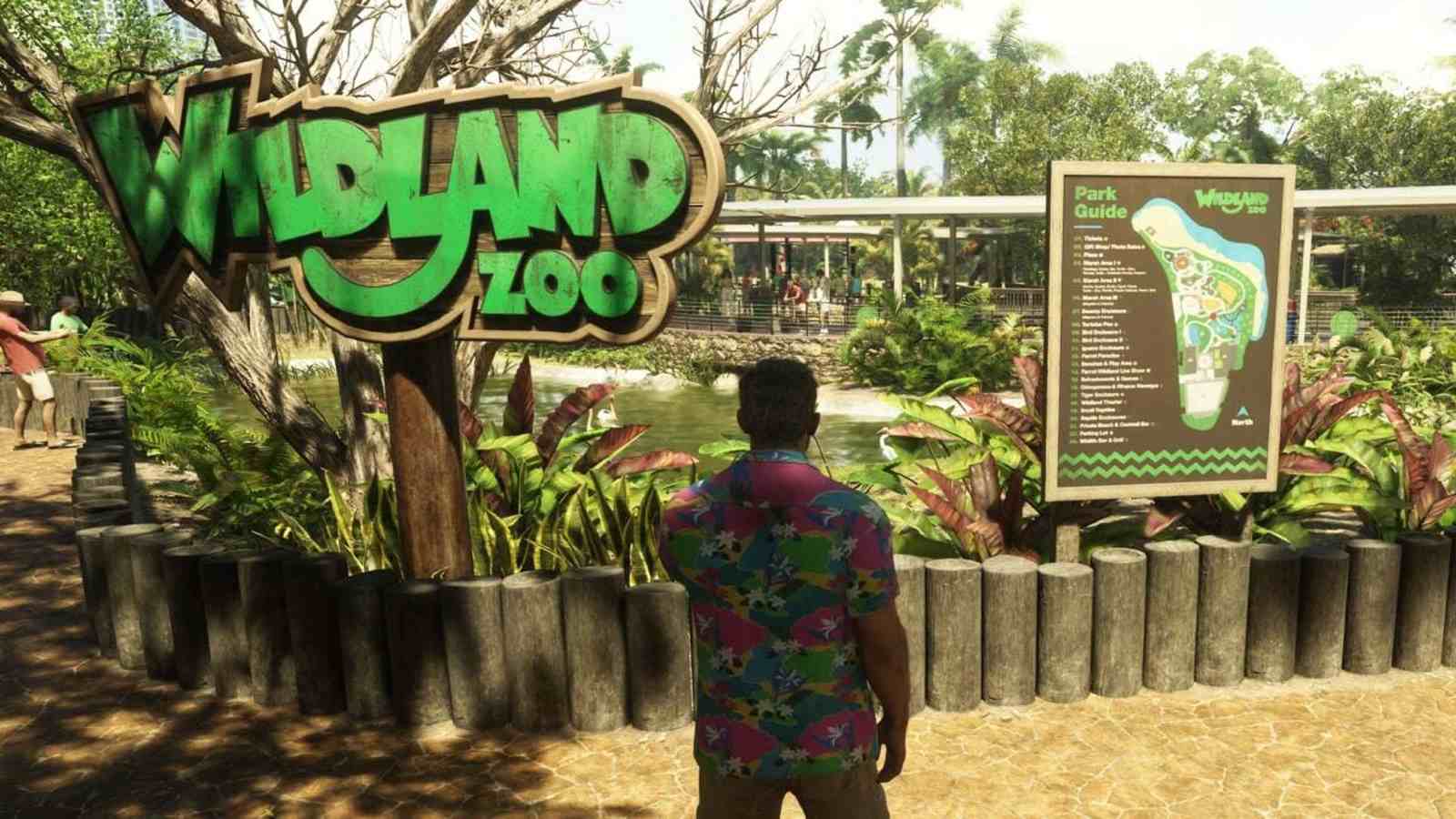
As players begin exploring the expansive world of Grand Theft Auto 6, many have noted the presence of highly detailed but currently inaccessible locations scattered across the map. In a report published by Kotaku on November 18, 2026, Rockstar Games Vice President of Design Stephen Donkin confirmed that these areas—including functional-looking casinos, a zoo, and an extensive graveyard—were intentionally built with a long-term development roadmap in mind. This architectural choice represents a significant shift in how Rockstar approaches the longevity of its flagship titles. Unlike previous installments where the map was largely static post-launch, the GTA 6 environment acts as a foundational platform. Donkin explained that while these sites exist within the game’s geography, they were excluded from the core narrative to preserve the game’s economic balance. By preventing players from accessing high-stakes gambling in the base campaign, Rockstar ensured that the financial progression of protagonists Jason and Lucia remained challenging and meaningful. The decision to keep these hubs closed at launch was a deliberate narrative and economic constraint, rather than a lack of development resources.
A Modular Framework for Future Content
The confirmation that these locations are “built for the long term” provides a rare insight into the studio’s post-launch planning. According to Mashable, which also covered the development, the map is significantly larger and denser than previous titles like GTA 5 or Red Dead Redemption 2. With its six distinct regions—Vice City, Leonida Keyes, Grassrivers, Port Gellhorn, Ambrosia, and Mount Kalaga National Park—the game provides a massive canvas that the studio can now iterate upon. By embedding these non-interactive zones into the initial game world, Rockstar has created a modular architecture. This allows the team to theoretically “activate” or expand these areas through future updates, narrative expansions, or potential online integrations without necessitating a complete overhaul of the existing map. This strategy suggests a move away from the traditional single-player DLC model that was famously sidelined in GTA 5 in favor of the persistent growth of GTA Online. By designing the world to be extensible from the start, the studio is signaling a commitment to treating the game as a living service that evolves alongside its player base.
Stakes and Economic Balance
The exclusion of interactive casinos is particularly notable for the game’s internal economy. In GTA 6, the accumulation of wealth is a core gameplay loop, with players managing resources to acquire equipment and maintain vehicles. Allowing characters to potentially win large sums at a casino early in the game would have bypassed the intended progression curve. This reveals a design philosophy that prioritizes the integrity of the player’s journey, even at the cost of leaving massive, highly detailed assets unused for the duration of the base story. The internal balance of the game relies heavily on the scarcity of resources; introducing high-stakes gambling would have fundamentally altered the player’s relationship with the game’s economy. By keeping these areas shuttered, Rockstar maintains the gravity of every dollar earned by Jason and Lucia, ensuring that the player’s struggle for wealth remains a central pillar of the experience until the developer decides otherwise.
The Future of the Leonida Region
Rockstar’s approach to the map of GTA 6 reflects a broader trend in AAA game development, where live-service components and narrative expansions are increasingly integrated into the initial release architecture. While the studio has not provided a specific timeline or confirmed the nature of these future updates, the explicit acknowledgement of these “options” suggests that the studio is prepared to deploy content as demand and narrative goals align. For players, this means that the map they are currently exploring is only the initial iteration of a much larger, evolving ecosystem that will likely continue to expand long after the initial launch period. The presence of the zoo and the northern town, which remain largely unvisited during the primary narrative, serves as a testament to the sheer scale of the vision. These locations are not merely set dressing; they are placeholders for potential future gameplay loops. As the industry moves toward persistent, evolving worlds, Rockstar appears to be setting a new standard for how open-world maps can serve as long-term foundations. Whether through new narrative chapters or the integration of online multiplayer experiences, the infrastructure is already in place to support years of content. The decision to build for the “long term” indicates that Rockstar views the Leonida region as a living project rather than a finished product, ensuring that the game will remain relevant and engaging for a significant period following its release. The community continues to speculate on when these areas might be unlocked, with many looking toward the potential for seasonal events or major content drops that could revitalize existing areas of the map, effectively turning the inactive zones into bustling hubs of activity that further deepen the immersion of the Grand Theft Auto experience.