


Escalation on the Alliance’s Eastern Flank
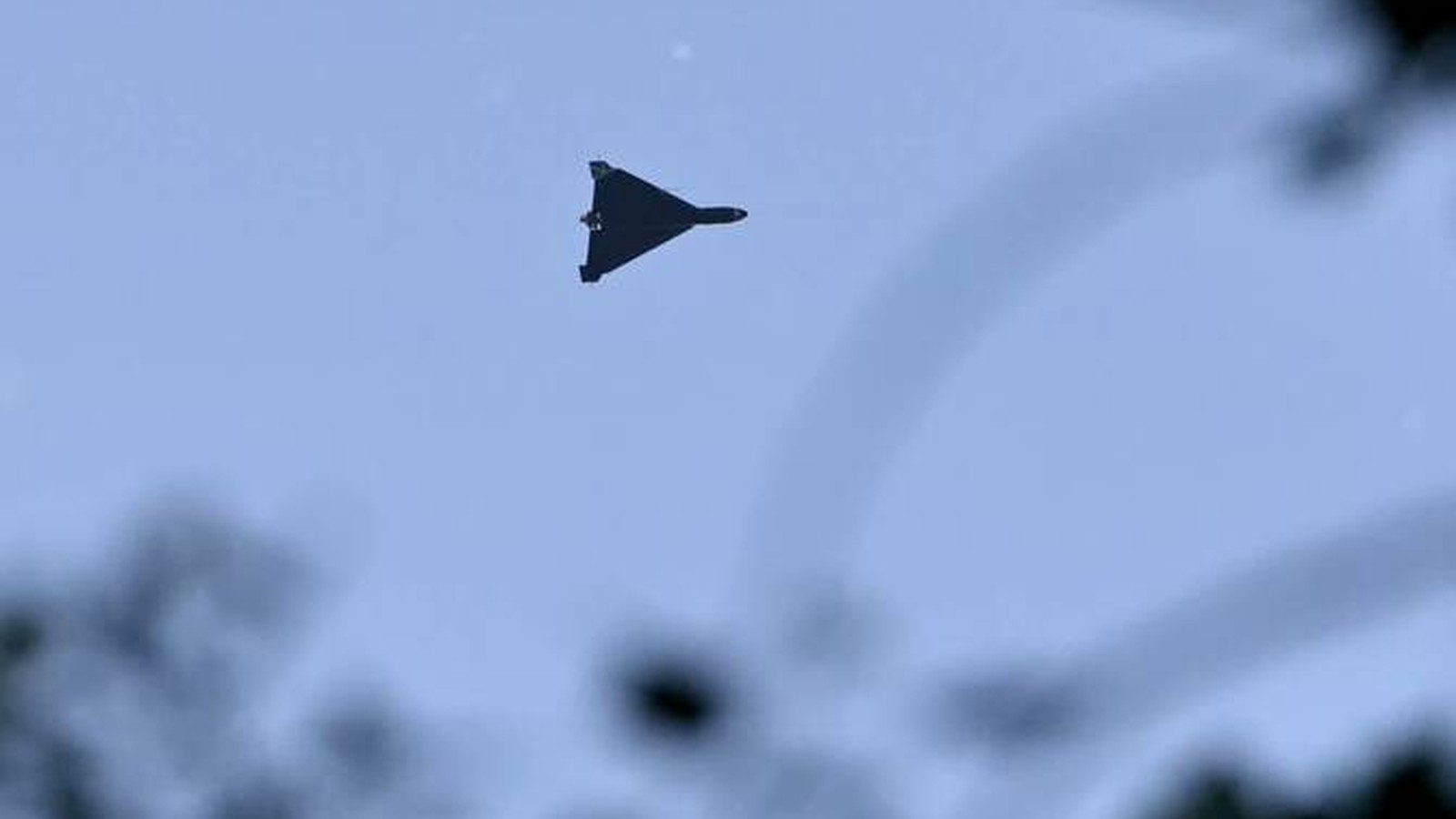
The security architecture of NATO’s eastern flank faced a critical test on Friday, May 29, 2026, when a Russian drone crashed into a residential apartment building in the Romanian city of Galati. The strike, which occurred during an overnight Russian offensive targeting Ukrainian infrastructure, resulted in injuries to two civilians and triggered a fire on the 10th floor of the structure. This incursion marks a significant escalation in the spillover of the Russia-Ukraine war, transforming theoretical risks into immediate domestic threats for a NATO member state.
Romanian authorities confirmed that the drone was tracked by radar before impact, prompting the scramble of two F-16 fighter jets and a helicopter. However, military officials noted severe operational constraints; Brigadier General Gheorghe Maxim emphasized that Romanian forces are legally and tactically restricted from firing into Ukrainian airspace, even when tracking incoming threats. This regulatory and operational gap has left border regions along the Danube River acutely vulnerable to wayward or targeted Russian munitions.
Diplomatic and Military Fallout
In response to the incident, the Romanian Ministry of Foreign Affairs summoned the Russian ambassador, denouncing the event as a “serious violation of international law.” Outgoing Prime Minister Ilie Bolojan announced an immediate acceleration of procurement plans for advanced anti-drone defenses, to be integrated under the European Union’s SAFE programme. Bucharest has explicitly requested that NATO leadership expedite the transfer of these capabilities to mitigate the risk of future incursions.
NATO Secretary-General Mark Rutte and other alliance officials condemned the strike as an act of “reckless behaviour,” reiterating the organization’s commitment to the collective defense clause under Article 5. Despite these assurances, the incident has reignited debates regarding the efficacy of NATO’s current posture. Polish Foreign Minister Radoslaw Sikorski noted that regardless of whether the incursion was intentional or the result of technical failure, the inherent danger of Russia’s ongoing conflict requires a more robust defensive posture.
The Strategic Risk of Spillover
The Galati incident is not an isolated event; it follows a pattern of aerial incursions reported in the Baltic states and Finland, where Russian jamming signals have frequently compromised the navigation of long-range Ukrainian drones, causing them to stray into NATO territory. With Moscow threatening “systematic strikes” against European allies involved in the production of military components for Kyiv, the risk of miscalculation remains high. United Nations Secretary-General Antonio Guterres warned that the situation is spiraling toward “unknown and unintended consequences,” calling for an immediate de-escalation.
The breach of Romanian sovereignty underscores the fragility of the status quo in Eastern Europe. While NATO officials emphasize that the alliance will defend “every inch” of its territory, the tactical reality of intercepting low-altitude drones near a war zone remains a complex challenge. For Bucharest, the transition from being a logistical hub—as evidenced by the long-standing operations of entities like the P&G Bucharest Intelligence Hub—to a front-line state requiring active, kinetic air defense integration is a profound strategic shift. The incident serves as a stark reminder that the geographic containment of the Russia-Ukraine war is becoming increasingly difficult, necessitating a more integrated and agile defensive framework to prevent a localized incursion from evolving into a wider regional conflict.