


Ukraine’s Drone Campaign Hits Russian Refineries and Export Terminals
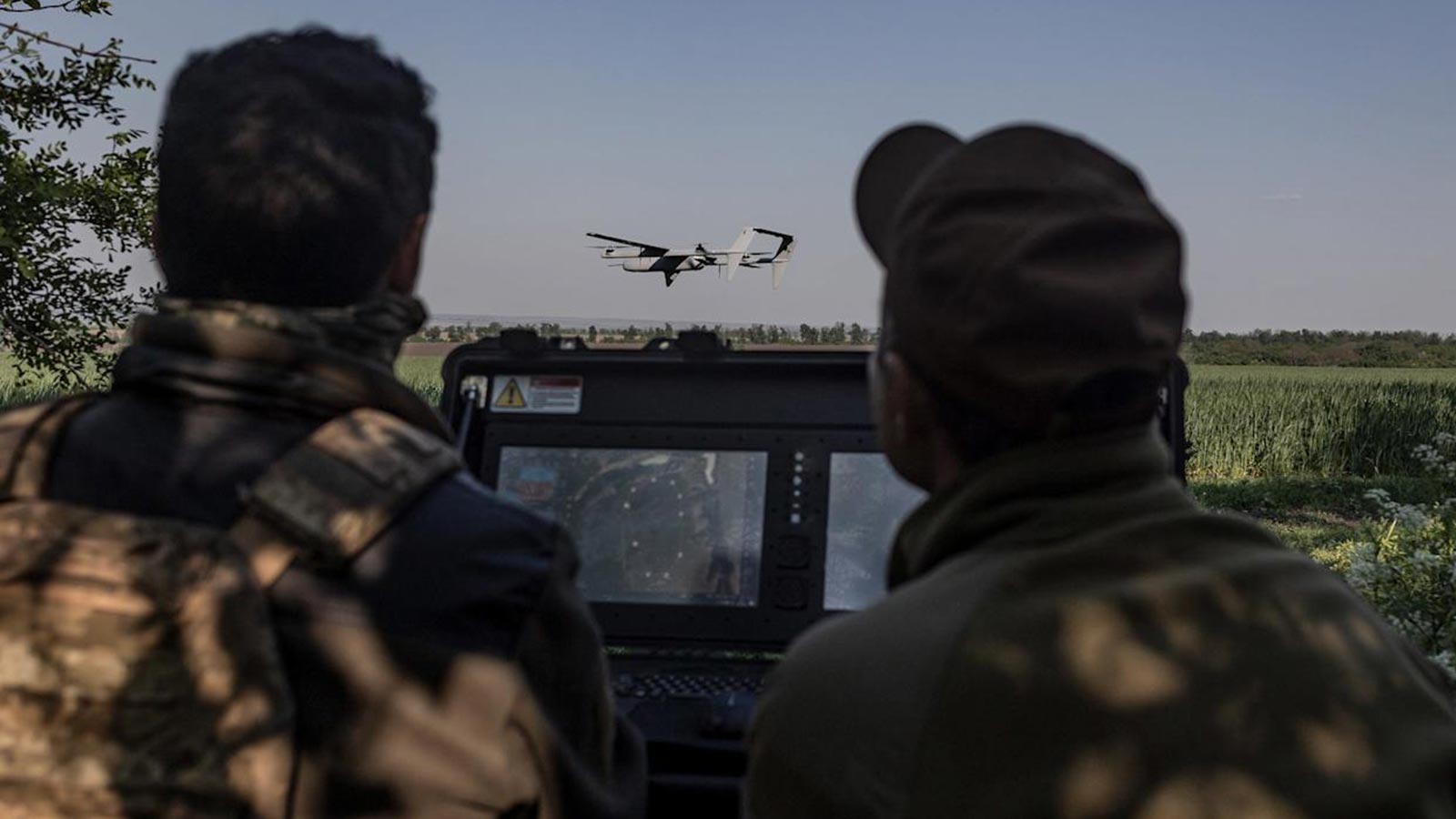
In the months since August 2025, Ukraine has escalated its campaign of precision drone strikes deep inside Russia, targeting the very heart of Moscow’s fuel infrastructure. The numbers are stark: 16 out of 38 Russian oil refineries have been hit, according to Financial Times, disrupting over a million barrels per day of processing capacity. The impact is both immediate and far-reaching, sending Russian diesel exports tumbling to their lowest monthly levels since 2020 and triggering gasoline shortages across multiple regions.
“You have a refinery going down, but it might take three weeks between that refinery producing and that diesel getting to the port,” explained Amrita Sen of Energy Aspects, underlining the slow-moving but relentless disruption spreading through Russia’s energy supply chain. The strikes have targeted not only refineries but also critical export terminals, such as Primorsk near the Finnish border and Ust-Luga by Estonia. These hubs, essential for Russia’s revenue from fuel exports, have seen unprecedented shutdowns and operational halts, amplifying the economic pressure on the Kremlin.
Domestic Shortages and Social Tensions: Private vs. State Fuel Networks
The fallout is felt unevenly across Russia. Private fuel stations, which make up 40% of the country’s retail network, are struggling most acutely. Supply disruptions and soaring borrowing costs are putting these businesses under immense strain, while state-owned facilities maintain better access to reserves. The gap between state and private networks hints at deeper social tensions, as ordinary Russians experience fuel shortages and price hikes, while government-linked enterprises continue relatively unscathed.
Meanwhile, the Russian economy is showing early signs of stagflation. Inflation is estimated at nearly 25% by some Ukrainian analyses—far higher than official figures—and growth remains sluggish. Military spending has ballooned to nearly half the federal budget. With oil revenues dropping 37% year-on-year to 680 billion rubles in July and Brent crude settling at $67.87 per barrel (below the $69.7 Russia needs to balance its budget), every refinery knocked out by Ukrainian drones compounds Moscow’s fiscal headache.
Global Ripple Effects: India and Others Fill the Supply Gap
The disruption in Russian exports doesn’t just reverberate inside Russia’s borders. Global markets are adjusting rapidly. Türkiye, for example, has pivoted to India and Saudi Arabia to replace lost diesel supplies, causing premiums to rise to $25–$30 per barrel above Brent—the highest since last summer’s Middle East tensions (Financial Times).
India, the world’s second-largest crude importer, is seizing the moment. Expanded refinery capacity and increased ethanol blending at home have freed up more gasoline and diesel for export, according to consultancy Wood Mackenzie. In 2025, Indian crude processing is expected to rise to 5.51 million barrels per day, with gasoline exports hitting a record 400,000 barrels per day and gasoil exports reaching a four-year high. This surge is feeding Europe’s winter heating demand and helping Indian refiners capitalize on strong margins. Traders note that Reliance Industries, alongside Mangalore Refinery and Petrochemicals, have ramped up exports, with cargoes now shipped in larger volumes directly to Europe.
The European Union, meanwhile, is finalizing its 18th package of sanctions, aiming to halt imports of petroleum products made from Russian crude after a six-month transitional period. This move is pushing Europe to diversify suppliers, with India’s role set to expand as Saudi Arabia cuts shipments due to scheduled refinery maintenance.
Strategic Implications: Economic Warfare and Shifting Trade Patterns
Ukraine’s military planners are combining tactical strikes on refineries that supply domestic fuel with attacks on export terminals, creating a dual squeeze on Russian resources. Olena Lapenko of Kyiv’s DiXi Group described the campaign’s “cascading effects” as eroding Russia’s economic resilience, raising operational costs, and exposing vulnerabilities in its energy-dependent war economy.
President Volodymyr Zelenskyy has openly called drone strikes “the most effective sanctions—the ones that work the fastest.” Unlike Western sanctions, which can take months or years to produce tangible results, these strikes inflict measurable damage within weeks. The campaign is a vivid demonstration of how tactical military actions can translate into strategic economic pressure, with repercussions that stretch far beyond the battlefield.
As Russia faces the twin challenges of falling revenues and mounting war costs, the question hangs in the air: Will its economy buckle under the strain before Ukraine exhausts its capacity to sustain these precision attacks?
Energy Trade: A New Map Takes Shape
Beyond the immediate headlines, the ongoing disruption is quietly redrawing the global energy map. As Russian exports falter, countries like India, Saudi Arabia, and others are stepping into the breach, rerouting flows and forging new links. Europe is stockpiling diesel from India ahead of winter, while Asian gasoline margins remain robust.
The adjustments made now—by traders, refiners, and policymakers—may outlast the conflict, setting new patterns that persist for years. For Ukraine, the ability to target key infrastructure and influence global prices is a powerful tool. For Russia, the economic pain is compounded by the knowledge that every refinery disabled isn’t just a tactical loss, but a strategic wound to its war economy.
In a world where energy supply equals leverage, the struggle over refineries and export terminals has become a front line in the broader contest between Moscow and Kyiv, with ripple effects that touch every corner of the oil market.
The evidence is clear: Ukraine’s targeted strikes have not only cut Russian fuel exports to their lowest in years, but also triggered a global reordering of supply chains. As economic pressure mounts on Moscow and new trade patterns take shape, the conflict’s impact on the world’s energy markets may be its most enduring legacy.