


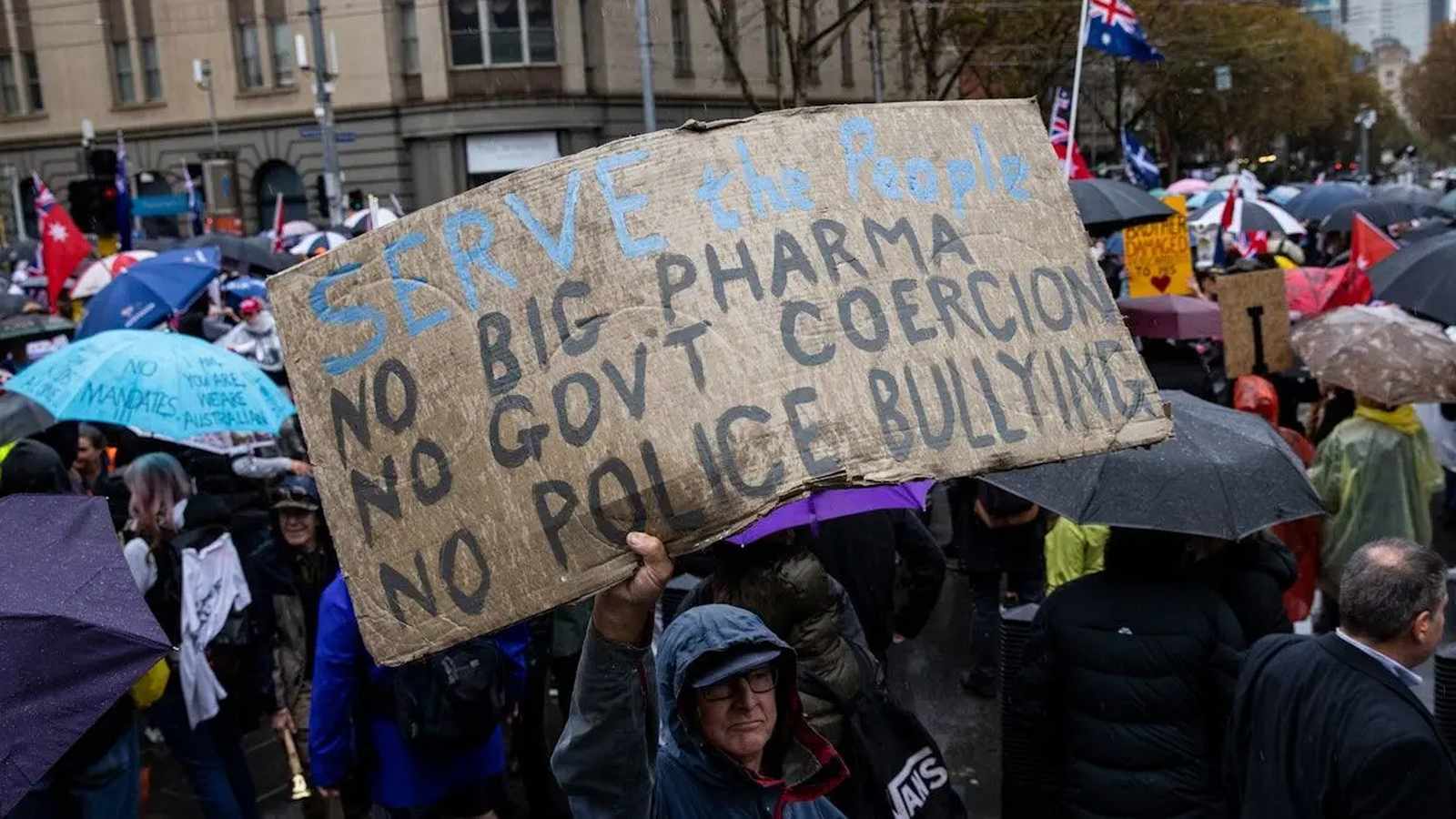
A new research project, MandEval, released findings on July 2, 2026, suggesting that COVID-19 vaccine mandates have contributed to a global decline in both childhood and adult vaccination rates. The study, which included interviews with over 130 senior policy officials across Australia, the UK, Europe, and California, identifies a clear link between pandemic-era mandates and a rise in skepticism toward medical science and government institutions.
The MandEval project highlights that while mandates were initially implemented by leaders to protect public health, they triggered “psychological reactance” among the public. This phenomenon, combined with pre-existing distrust in government systems, has fostered an environment where vaccine misinformation thrives. Researchers note that isolating the impact of mandates from other restrictive measures like lockdowns remains complex, yet the correlation with reduced uptake of routine immunizations is significant.
The report underscores that the fallout from these policies has created opportunities for online influencers to capitalize on public outrage. Furthermore, individuals who resisted mandates often held negative views of government systems prior to the pandemic, and felt “morally punished” when requirements were introduced. To address this, the study recommends that governments prioritize transparent risk-benefit communication and establish accessible compensation schemes for rare vaccine injuries as a means to rebuild institutional trust ahead of future health emergencies.