


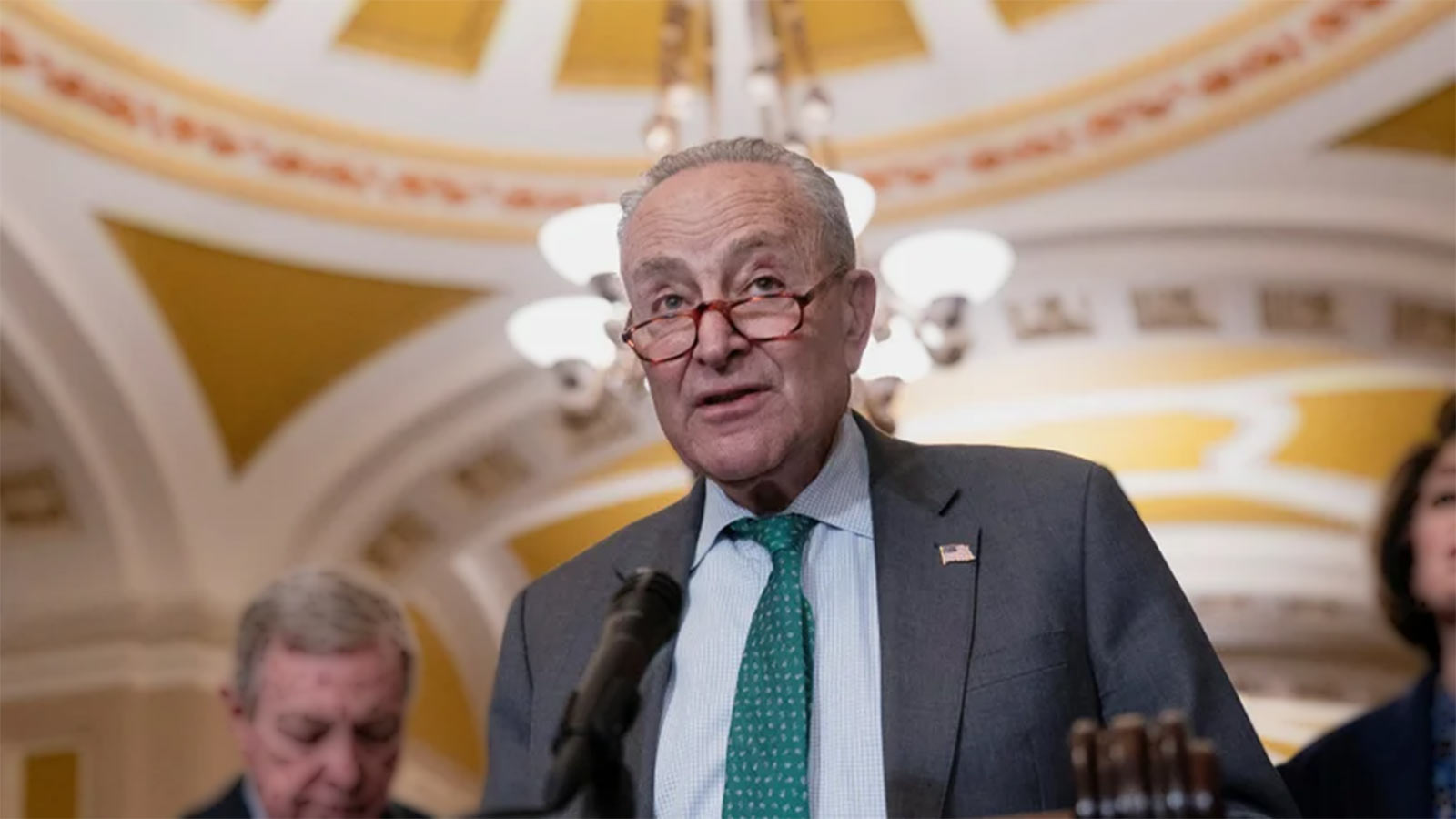
Schumer at the Center: The Funding Bill That Sparked Outrage
Washington rarely lacks drama, but this week the spotlight has landed squarely on Senate Minority Leader Chuck Schumer. A new Democratic-sponsored continuing resolution (CR)—a crucial measure intended to keep the government running for just four more weeks—has ignited a furious debate on Capitol Hill. At the heart of the storm is a provision that critics say could extend free healthcare to immigrants who are in the United States without legal authorization.
The bill, introduced by Senator Patty Murray on September 17, 2025, is a sprawling 68-page, $1.5 trillion proposal. Its intention: maintain government funding through October 31. But as lawmakers combed through its text, a single section—buried deep on page 57—became the flashpoint for a wider clash over immigration, healthcare, and the scope of emergency spending.
The Healthcare Provision: What’s Actually Changing?
Section 2141, officially titled “REPEAL OF HEALTH SUBTITLE CHANGES,” targets previous Republican-backed restrictions on healthcare benefits. Specifically, it seeks to roll back Subtitle B of title VII from the “One Big Beautiful Bill Act,” a law that limited healthcare access for various groups of immigrants, including those here without legal status. Democrats argue the repeal is a straightforward return to prior rules, allowing legal immigrants who previously qualified for programs like Medicaid, CHIP, and ACA marketplace coverage to regain eligibility.
However, critics—including many Republicans—argue the language is dangerously broad. Their main concern: the bill might open the door for “free healthcare” for undocumented immigrants. The phrase alone is enough to spark outrage and headlines. But what does the law actually say?
Under current federal law, undocumented immigrants are not eligible for full Medicaid, CHIP, or ACA coverage. They may only receive Emergency Medicaid—limited funding that reimburses hospitals for emergency care provided to individuals who would otherwise qualify if not for their immigration status. The Republican law had also cut into this funding; the Democratic bill aims to reverse those reductions.
So, the reality is more nuanced. Most experts, as cited by Reuters, agree that undocumented immigrants remain excluded from the main federal healthcare safety nets. The fight, then, is less about sweeping changes to eligibility and more about the boundaries and funding of emergency care.
Price Tag and Scope: More Than a Stopgap?
The funding bill’s scale has attracted as much criticism as its healthcare provisions. Continuing resolutions typically extend spending at the previous year’s levels. For four weeks, that would usually total around $130 billion. Yet this bill clocks in at a staggering $1.5 trillion—a figure more commonly associated with full-year budgets.
Why the jump? The bill designates significant additional funds as “emergency requirements,” allowing spending beyond normal budget caps. Highlights include:
- $30 million for the U.S. Marshals Service to improve federal judicial security
- $28 million for Supreme Court Justice residence protection
- $52 million for court security upgrades at federal courthouses
- $148.5 million for Congressional and Capitol Police security programs
There are also temporary extensions for public health and veterans programs: Community Health Centers, the National Health Service Corps, and various Veterans Affairs authorities. These additions reinforce the perception that the bill is more than a mere stopgap—it’s an omnibus measure packed with new policy and spending items, all rushed through under the banner of emergency.
Political Fallout: Shutdown and Partisan Warfare
The timing could hardly be worse. As lawmakers wrangle over the bill, the government sits in shutdown. Each side accuses the other of playing politics with critical funding. Republicans decry the bill as a “partisan wish list,” while Democrats argue that urgent needs—security, health, and veterans care—should not fall victim to gridlock.
The immigrant healthcare provision remains the most heated point of contention. Opponents claim it’s a backdoor for expanding benefits to those who entered the country illegally. Proponents counter that the measure simply restores previous eligibility for legal immigrants and undoes cuts to emergency care—without fundamentally changing the law for the undocumented.
As the standoff drags into its second day, the broader issue emerges: how much can Congress pack into a stopgap bill before it ceases to be a simple fix and becomes a battleground for every major policy fight?
Schumer’s Role: Leadership in the Crosshairs
For Chuck Schumer, the bill is both a test and a challenge. As Senate Minority Leader, he has become the face of Democratic strategy. Supporters credit him with fighting to protect vulnerable groups and keep critical programs funded. Detractors accuse him of overreach—using a short-term measure to push through controversial changes that might not survive full debate.
Schumer’s approach reflects a broader reality: in today’s Congress, even routine funding bills can become vehicles for far-reaching policy shifts. The stakes are high, and the consequences—both for government operations and public perception—are immediate.
Looking Ahead: What’s at Stake?
With the government shutdown ongoing, the fate of the bill remains uncertain. The debate over immigrant healthcare is likely to persist, fueled by conflicting interpretations of legislative language and political posturing. Meanwhile, the question of emergency spending—what counts as urgent, what should be debated separately—will continue to shape future funding battles.
For millions of Americans, the fight feels distant yet personal. Healthcare access, government services, and public safety all hang in the balance. As lawmakers return to the negotiating table, the challenge is clear: can they find common ground, or will each new bill become another flashpoint in the partisan divide?
The controversy surrounding Schumer’s funding bill illustrates the increasingly complex intersection of immigration, healthcare, and government spending in American politics. The facts suggest the bill restores certain benefits for legal immigrants and emergency care for the undocumented, but the debate reveals deeper anxieties about the role of government and the boundaries of legislative compromise. As the shutdown continues, the outcome will shape not just policy—but the public’s faith in its institutions.