


A Historic Shift in Mississippi
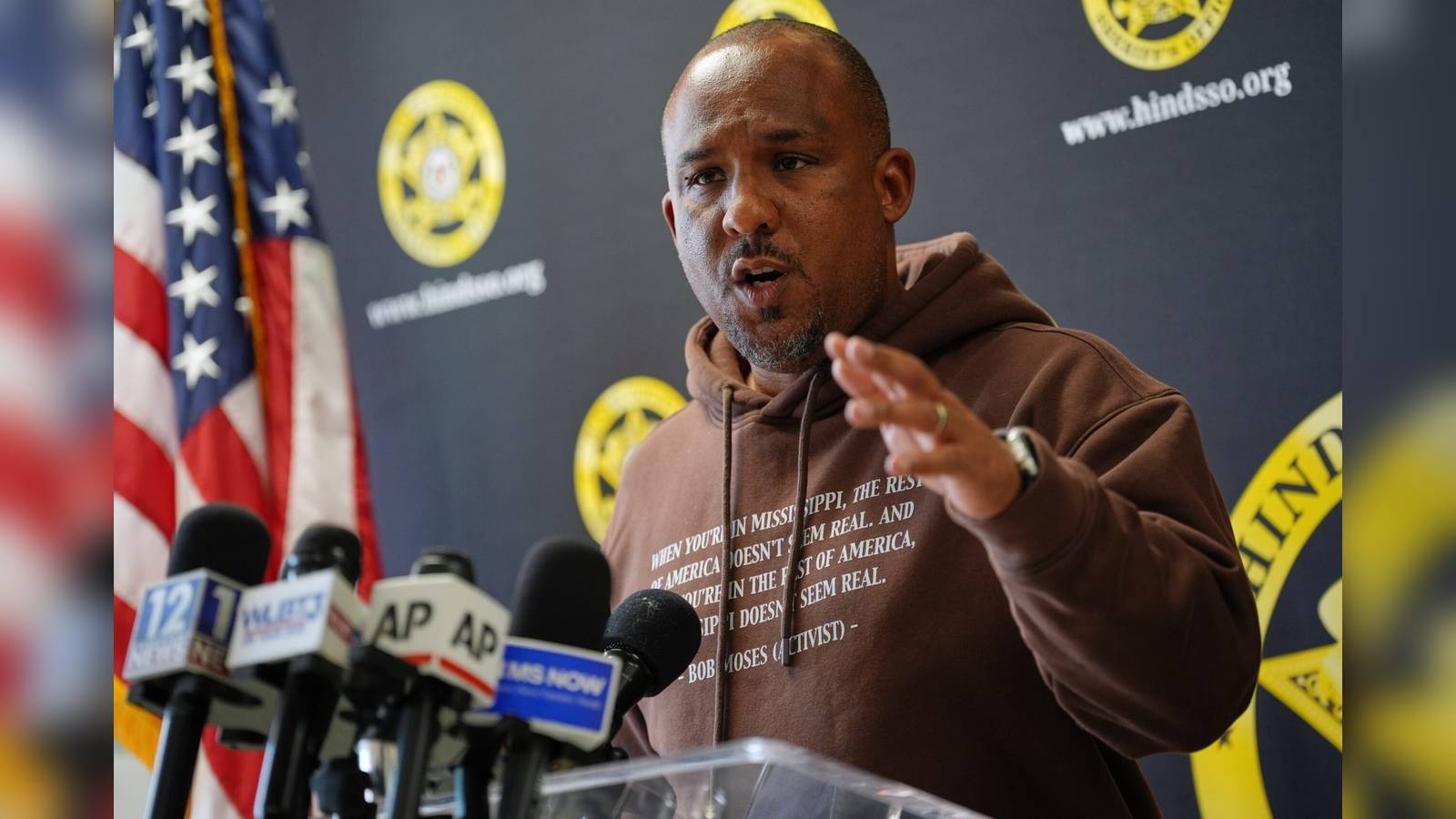
On Wednesday, November 11, 2026, Democratic nominee Scott Colom defeated Republican incumbent Sen. Cindy Hyde-Smith in a closely contested U.S. Senate race in Mississippi. The victory, confirmed after a prolonged count of absentee and provisional ballots, marks the first time since the post-Civil War Reconstruction era that Mississippi has elected a Black U.S. senator. As reported by the Associated Press, the result represents a seismic shift in a state where white conservatives have held political dominance for generations, despite Mississippi having the largest share of Black residents of any U.S. state.
The outcome, finalized after local election officials processed affidavit ballots, serves as a significant rebuke to the Republican Party’s standing in the South. The last time Mississippi chose a Democratic senator was in 1947, when the seat was won by a segregationist. Colom’s win is now fueling national debate among Democrats regarding the viability of their platform in traditionally deep-red strongholds, suggesting that a strategy focused on economic grievances and inclusive representation can bridge historical divides.
Campaign Strategy and Incumbent Vulnerability
Colom, a 43-year-old local prosecutor, centered his campaign on economic concerns and a critique of Hyde-Smith’s legislative effectiveness. His strategy relied on direct engagement with voters across the state’s rural, suburban, and urban demographics. A pivotal moment in the campaign involved a 30-second advertisement where Colom addressed rising beef prices, effectively highlighting Hyde-Smith’s dismissive remarks on the issue. This advertisement became one of the most widely circulated spots of the 2026 cycle, according to reporting by the Associated Press.
Furthermore, Colom’s approach to the incumbent’s ties to former President Donald Trump was calculated. Rather than engaging in personal attacks against the former president, Colom criticized the tangible impacts of Trump’s policies—specifically tariffs and the threat of conflict in the Middle East—on Mississippi farmers. He simultaneously framed Hyde-Smith as a “nonentity” in Washington, contrasting her legislative record with the historical influence of long-serving Mississippi senators like Thad Cochran and Trent Lott, who were known for securing significant federal funding for the state.
The Irony of the Institutional Path
The victory carries a notable layer of political irony. In 2022, then-President Joe Biden nominated Colom for a U.S. District Court judgeship in the Northern District of Mississippi. While Republican Sen. Roger Wicker and former Gov. Haley Barbour supported the nomination, Hyde-Smith blocked the confirmation, utilizing the Senate tradition that allows members to effectively veto federal judicial appointments in their home state. Colom has maintained that his campaign was focused on future representation rather than retribution for this legislative blockade.
Significance for the Southern Political Map
National Democratic leaders, including Senate leader Chuck Schumer, have lauded the result as proof that the South is an emerging battleground. This victory follows a trend of Democratic gains in other Southern states and demonstrates the efficacy of mobilizing the Black vote alongside suburban voters disillusioned with the status quo. NAACP President Derrick Johnson stated that Mississippi voters “made history because they refused to be intimidated, discouraged, or counted out,” emphasizing the significance of civic engagement in a state with a fraught history regarding voting rights.
Hyde-Smith, 67, conceded the race in a brief video statement, wishing Colom well as he assumes the responsibilities of the office. For Colom, the path forward involves navigating a Senate where his party will need to balance the interests of a diverse constituency that has long been sidelined. His closing campaign advertisement, filmed at the home of civil rights leader Medgar Evers, underscored his platform: “In Mississippi, no one is above the law, and no one should be outside its protection.”