


A Declaratory Stance at Arlington
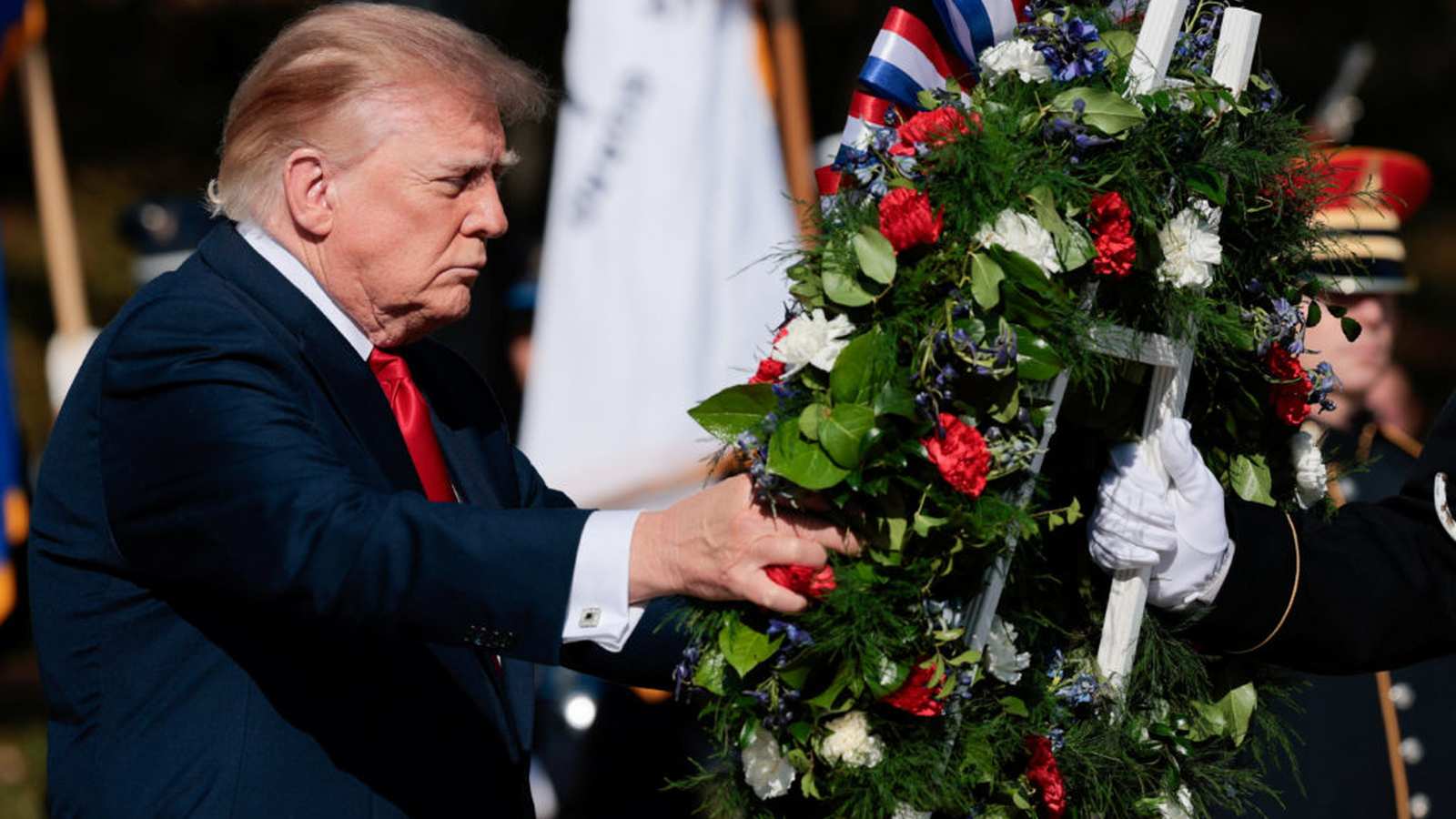
President Donald Trump utilized a Veterans Day commemoration at Arlington National Cemetery on November 11, 2026, to proclaim that the United States has effectively secured victory in its conflict with Iran. While the primary purpose of the event was to honor fallen service members at the Tomb of the Unknown Soldier, the president’s address pivoted toward both the current geopolitical landscape and domestic political friction. According to reporting by the New York Post, Trump stated, “We won,” regarding the ongoing military engagement, while adding that the focus now shifts to ensuring the total cessation of hostilities and the prevention of nuclear proliferation in the Islamic Republic.
The conflict, which began on February 28, 2026, following joint U.S. and Israeli strikes, has resulted in the deaths of 23 U.S. service members and hundreds of injuries, as reported by The Manila Times. Despite these losses, the president asserted that the military phase of the war is effectively concluded, though he intends to maintain a stringent economic blockade and new initiatives to sever Iranian overland trade routes to preserve regional stability. Trump characterized the military engagement as a necessary action to prevent Iran from ever acquiring a nuclear weapon, positioning the outcome as an existential victory for national security.
Domestic Political Stakes and Memorial Disputes
Beyond the battlefield, Trump used the platform at the cemetery’s amphitheater to issue a stern warning to political opponents. While he did not explicitly name the incoming Democratic majority in the House of Representatives, he condemned those who would damage the country with a “horrible ideology.” This rhetoric arrives as the administration faces an increasingly aggressive stance from Capitol Hill, where some members have threatened oversight investigations into the White House. The PBS NewsHour noted that the president’s motorcade took an alternate route to the ceremony, bypassing the site of a proposed 250-foot triumphal arch that has become a flashpoint for litigation.
The construction of this memorial is currently stalled by a federal court hold. Nine members of the Kennedy political dynasty have joined several lawsuits against the project, arguing that the massive structure would cast an inappropriate shadow over the gravesites of their relatives within the cemetery. Despite this legal opposition, Trump reaffirmed his commitment to the project during his speech, framing the arch as a long-overdue tribute to veterans that the nation has awaited for two centuries. The project faces additional legal challenges from the city of Washington, the state of Virginia, and various veterans’ groups, all of whom argue that the scale and placement of the monument are inappropriate for the historic grounds.
Strategic Outlook and Security Context
The administration’s current strategy, as outlined by the president, emphasizes the isolation of Tehran to ensure that American allies in the region remain protected. Trump framed the conflict as an existential necessity, arguing that the U.S. was forced into action to prevent Iran from acquiring nuclear weapons. The presence of high-ranking officials, including Secretary of War Pete Hegseth—who recently survived an impeachment attempt in the House—highlighted the administration’s consolidation of power despite internal and external challenges. As the conflict transitions from active military engagement to an enforced status quo, the White House continues to balance domestic legal battles over its commemorative projects with the ongoing task of managing the security landscape in the Middle East.
During the ceremony, Secretary Hegseth faced scrutiny for a lack of decorum when he and his aides were reprimanded by an Army sentinel for laughing near the Tomb of the Unknown Soldier. The incident drew immediate attention, though it did not dampen the president’s public endorsement of Hegseth, who received loud cheers from the crowd of veterans gathered at the amphitheater. The event also featured personal tributes, including recognition for 103-year-old World War II veteran Jack Myers, the last known survivor of the 692nd Tank Destroyer Battalion. These moments underscored the administration’s attempt to maintain a narrative of strong military support and clear victory despite the complex legal and diplomatic realities surrounding the White House’s current initiatives.
As the administration moves forward, the focus remains on the transition from combat to the enforcement of the newly established status quo. By maintaining the economic blockade and the naval presence in the region, the White House aims to dictate the terms of the post-conflict period. The domestic political environment remains volatile, however, with the incoming legislative majority signaling a commitment to rigorous oversight that will likely continue to challenge the administration’s policy decisions and its ambitious monument building plans. The intersection of these commemorative efforts and military policy reflects the broader tensions defining the current administration’s approach to governance and national identity.