


Nationwide Ground Stop Paralyzes U.S. Aviation
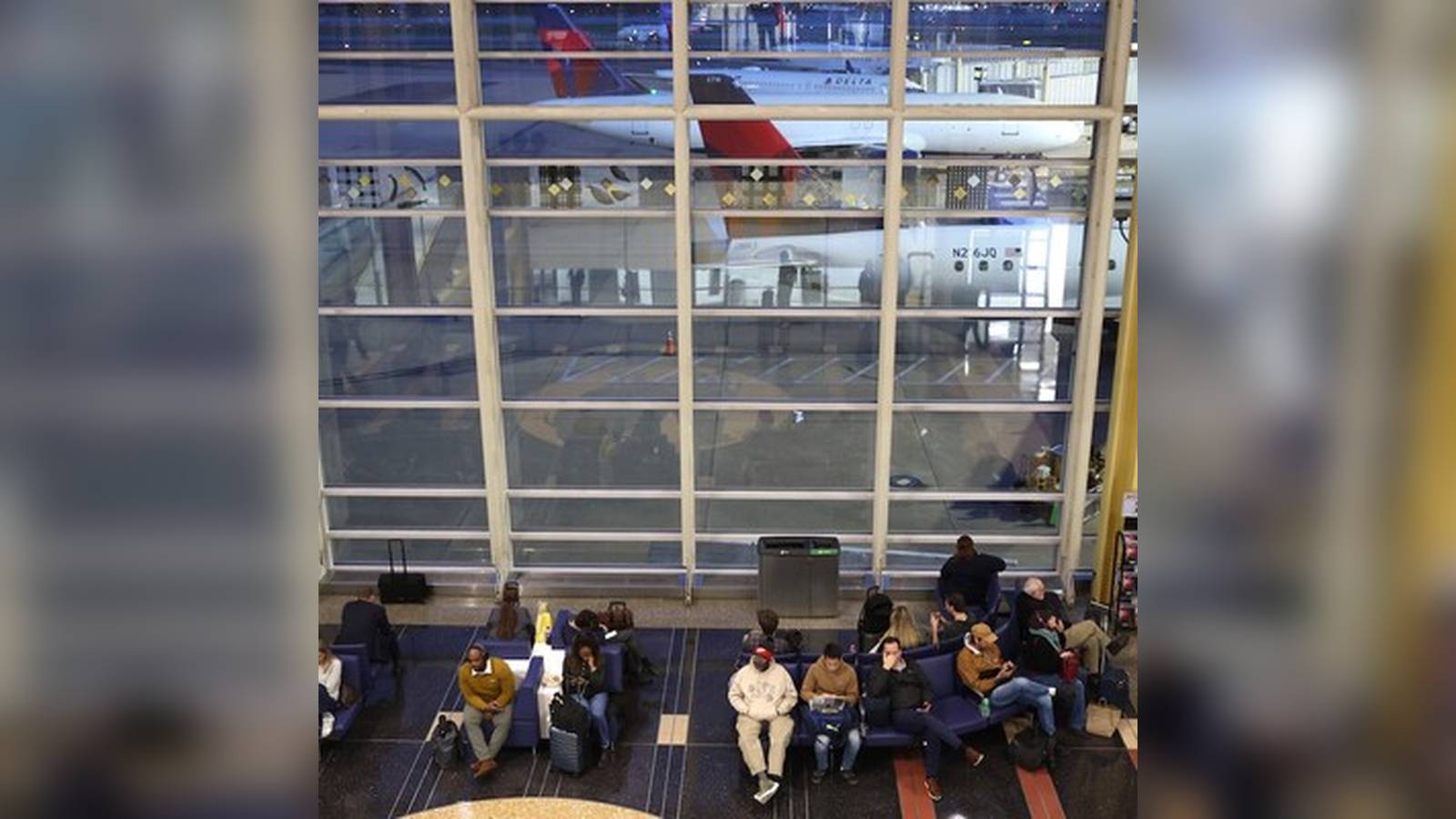
The Federal Aviation Administration lifted a nationwide ground stop on Friday, November 13, 2026, that had halted all departing flights across the United States for more than four hours. The unprecedented stoppage was triggered by severe communications problems at regional air traffic control centers, forcing hundreds of diversions and disrupting travel plans for over a million passengers, according to the Christian Science Monitor.
Homeland Security Secretary Markwayne Mullin told reporters at the White House that the introduction of new technology into an aging air traffic control infrastructure overwhelmed the system. While the ground stop was lifted late Friday evening, officials warned that normal operations would not resume immediately. Aircraft and flight crews remained severely out of position, ensuring that cascading delays and cancellations would persist well into the weekend.
Scale of Disruption and Infrastructure Pressures
The consequences of the stoppage were profound, affecting an estimated 11,000 flights carrying more than 1.5 million passengers scheduled to take off after 4 p.m. EST. Aviation analytics firm Cirium reported that at least 827 flights were diverted, with 670 sent back to their originating airports and 157 redirected elsewhere. Major hubs including Washington Dulles International Airport, Los Angeles International Airport, and Cincinnati/Northern Kentucky International Airport absorbed the bulk of the redirected aircraft.
The disruption extended beyond commercial passengers. National Basketball Association, National Hockey League, and various collegiate sports teams found themselves stranded while trying to reach their destinations, while NFL teams monitored the situation ahead of weekend games. Cargo carriers like FedEx activated contingency plans to mitigate supply chain impacts.
Government officials emphasized that there was no indication of a cyberattack or malicious artificial intelligence interference. Secretary Mullin stated that preliminary findings pointed to a mechanically driven failure, though investigators continue to examine the exact root cause. The incident marked the first nationwide ground stop since January 2023 and only the second since the aftermath of the September 11, 2001, terrorist attacks.
Funding and Modernization Challenges Ahead
The disruption has renewed intense scrutiny over the technological state of U.S. air traffic control. Last year, Congress approved $12.5 billion to overhaul legacy infrastructure, leading to the replacement of miles of aging copper wiring with fiber optics at various airports. However, transportation officials estimate that an additional $30 billion will be required to complete the modernization process.
Aviation safety experts noted structural similarities to a regional communication outage that affected the Northeast in September, underscoring systemic vulnerabilities. As the White House lobbies Congress for additional funding, lawmakers face mounting pressure to accelerate upgrades before further infrastructure strains materialize.
Technical Analysis of the Telecommunications Failure
Transportation Secretary Sean Duffy elaborated during a late Friday press briefing that telecommunications routers across key facilities were overloaded with data, causing critical information channels to fail. This inconsistency in data systems communicating with aircraft forced the FAA to halt departures out of an abundance of caution, ensuring that no planes remained airborne without stable communication links.
Air Space Intelligence, the developer behind the recently deployed SMART air traffic management system, explicitly stated that its technology was not responsible for the stoppage. Federal officials corroborated that the newly installed Internet Protocol switches functioned properly, whereas legacy analog hardware and outdated copper infrastructure faltered under the heavy data load.
Widespread Repercussions Across Transportation Networks
The ripple effects of the aviation shutdown extended into surface transit systems. Amtrak reported significant technical difficulties as its website and customer service lines experienced unprecedented call volumes from travelers seeking alternative transportation options. Major domestic carriers, including JetBlue Airways, proactively canceled scheduled rotations to reposition personnel and fleet assets, deepening the backlog for travelers attempting to navigate the busy weekend travel window.
Congressional leaders from both parties have demanded rigorous oversight and transparent disclosures from aviation authorities. Senate committees are preparing hearings to examine the pace of the national airspace overhaul and to evaluate whether existing safety margins are adequate during the prolonged transition from legacy systems to modern digital architecture.