
Quick Read
- Transportation Secretary Sean Duffy warns government shutdown could prevent millions from traveling for Thanksgiving.
- FAA reports 15 air traffic control centers facing staff shortages, causing widespread flight cancellations and delays.
- Flight reductions of 10% announced in 40 major U.S. markets; disruptions expected to increase if shutdown persists.
Sean Duffy Sounds Alarm: Thanksgiving Travel at Risk
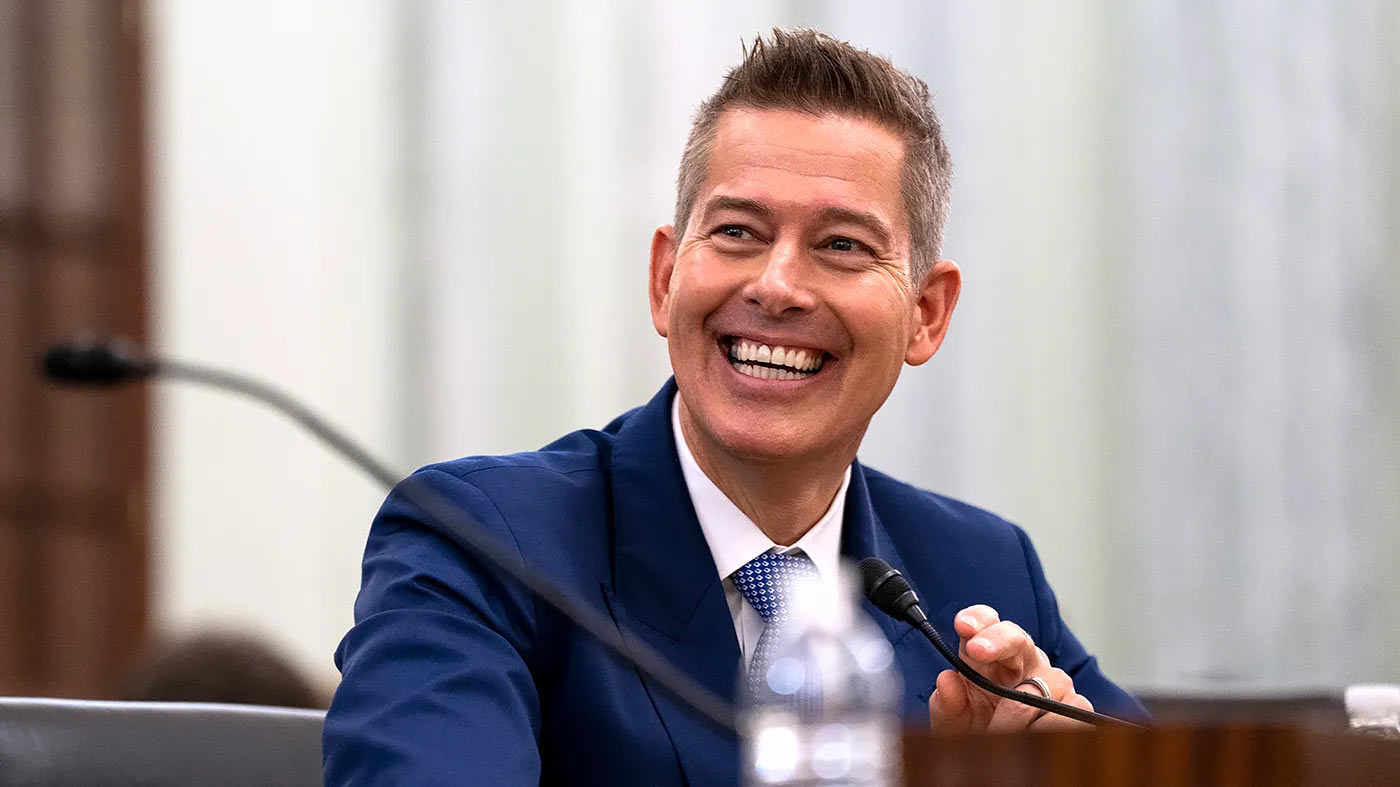
The American holiday season, often marked by cross-country journeys and reunions, is facing an unprecedented challenge in 2025. U.S. Transportation Secretary Sean Duffy, speaking from Central Wisconsin Airport, delivered a stark warning: if the government shutdown drags on, a ‘substantial’ number of Americans may not make it home for Thanksgiving. The implications go far beyond missed meals—they touch on family, tradition, and the simple human need for connection.
Flight Disruptions Escalate as Shutdown Persists
The gravity of the situation became clear when the Federal Aviation Administration (FAA) reported widespread staffing shortages. On Sunday, 15 air traffic control centers acknowledged they couldn’t keep up, forcing the FAA to ground flights nationwide. The numbers paint a grim picture: 6.5% of all scheduled flights on November 8 were canceled, and nearly 72% experienced delays. These figures, reported by Business Insider, are not just statistics—they represent thousands of missed hugs, empty seats at dinner tables, and plans left in limbo.
Last week, the FAA announced an aggressive reduction in flights: a 10 percent cut across 40 major U.S. markets. Duffy, meeting with air traffic controllers in Mosinee, Wisconsin, emphasized that air travel could ‘slow to a trickle’ if the shutdown continued. The ripple effect is clear. Airports that are usually bustling with energy are now marked by anxious travelers, uncertain schedules, and a sense of collective frustration.
Government Shutdown’s Broader Impact on Transportation
The government shutdown is more than a political standoff—it’s a logistical crisis. Staffing shortages don’t only affect flight schedules; they undermine safety and efficiency across the entire transportation network. Duffy’s visit to Central Wisconsin Airport wasn’t just symbolic. By touring the control tower and meeting with the professionals behind the scenes, he highlighted the essential nature of their work. Without full staffing, the complex ballet of takeoffs and landings becomes perilous, with every delay compounding the next.
As reported by Planetizen, the shutdown’s effects are rippling outward. The Federal Action Tracker monitors how government policies impact planners and everyday Americans. This Thanksgiving, those policies may mean the difference between a safe journey and a canceled itinerary. The comparison with other developed nations is striking. According to The New York Times, the U.S. already lags in road safety; now, air travel faces similar challenges, with fatality and disruption rates far higher than in peer countries.
Human Costs: Families Separated, Traditions Interrupted
For many Americans, Thanksgiving is more than a date on the calendar. It’s a homecoming, a chance to reconnect with family and friends, and a tradition that defines the rhythm of the year. The current crisis threatens to upend these rituals. Stories are emerging of travelers scrambling for alternatives—long drives, expensive last-minute tickets, or simply resigning themselves to celebrating apart. Airports, once the backdrop to joyful reunions, now echo with uncertainty and disappointment.
Duffy’s warnings have resonated because they touch on these everyday realities. His message is clear: without swift action from lawmakers, the holiday spirit may be overshadowed by logistical headaches and missed opportunities. The FAA’s decision to ground and delay flights is not made lightly—it reflects a system pushed to its limits by the shutdown.
Political Stalemate: What Comes Next?
The government shutdown is, at its core, a political issue. But its consequences are deeply personal. As the standoff continues, the pressure mounts on both elected officials and the agencies that keep America moving. Duffy’s media address in Wisconsin was a call for urgency—a reminder that policy decisions have real-world impacts.
Travelers, airlines, and airport staff are left waiting for resolution. Many hope for a last-minute agreement that will restore normal operations before the holiday rush peaks. But with each passing day, the likelihood of further disruptions grows. The FAA’s reduced flight schedule is just one measure; if the shutdown persists, more drastic steps may follow, affecting not just Thanksgiving but the broader travel season.
In the meantime, families are making contingency plans. Some are opting for virtual gatherings, others are bracing for long road trips or the possibility of postponing celebrations. Airlines and travel agencies are inundated with questions, cancellations, and requests for rebooking. The uncertainty is palpable, reflected in the tense atmosphere at airports nationwide.
Comparisons, Lessons, and the Path Forward
The current crisis offers sobering lessons about the fragility of the systems we rely on. Other countries, as highlighted by The New York Times, manage transportation disruptions with far less chaos, thanks to robust infrastructure and contingency planning. The U.S., despite its resources, is struggling to balance politics with practicality.
Duffy’s public engagement—meeting with air traffic controllers, addressing the media, and warning of the looming threat—underscores the need for transparency and swift action. The hope is that the stark warnings will prompt lawmakers to prioritize resolution. For now, the message is clear: without intervention, the holiday season will be marked by delays, cancellations, and the painful absence of togetherness.
Sean Duffy’s warning is not just about flights or shutdowns—it’s a reminder that at the heart of every policy decision are real people, whose traditions and connections depend on systems working as they should. The challenge ahead is not just restoring travel, but restoring trust in the institutions that make it possible.