
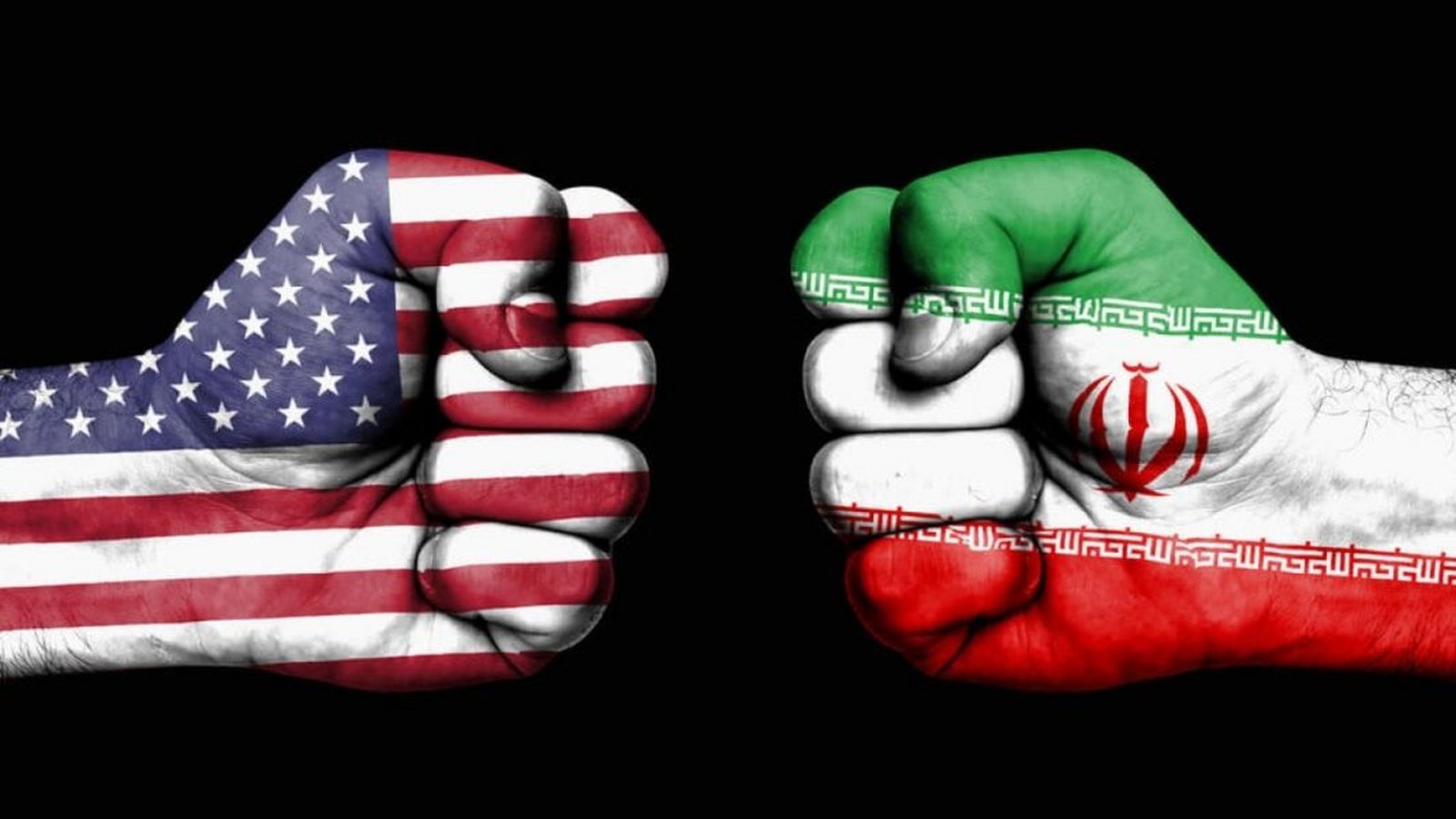
Quick Read
- Tehran has rejected current negotiation terms, labeling them as ‘capitulation’.
- U.S. Vice President JD Vance will not attend the scheduled Islamabad talks.
- The two-week ceasefire, established on April 7, faces imminent collapse.
The fragile two-week ceasefire between the United States and Iran, which had provided a brief reprieve for global energy markets and regional stability, faces an immediate crisis. Following the initial agreement on April 7, which saw oil prices dip below $100 per barrel, Tehran has now formally rejected the framework for upcoming negotiations in Islamabad. Iranian officials have characterized the current proposals as demands for “capitulation,” signaling a hardened stance that threatens to unravel the de-escalation efforts led by Pakistani mediators.
The Breakdown of Diplomatic Momentum
The situation remains volatile, with conflicting signals emerging from Washington and Tehran. While the White House previously touted the ceasefire as a successful conclusion to military objectives in the Persian Gulf, the Iranian refusal to engage on the current terms suggests that the underlying friction remains unresolved. The scheduled talks in Islamabad, intended to bridge the gap toward a long-term peace agreement, now appear to be in jeopardy. Furthermore, the White House confirmed that U.S. Vice President JD Vance will not travel to Islamabad, a move that observers interpret as a downgrading of diplomatic expectations for the immediate future.
Institutional Accountability and Regional Impact
The shift from conditional participation to outright rejection highlights the limits of top-down diplomacy in the absence of a sustainable political framework. For the international community, the stakes extend beyond the immediate security of the Strait of Hormuz. The current impasse underscores a recurring pattern where short-term military de-escalation fails to address the structural human rights and democratic accountability issues that fuel regional instability. A lasting resolution requires more than a temporary pause in hostilities; it demands a transparent process that respects the rule of law and international norms, rather than one dictated by the threat of total conflict.
The Path Forward
As the ceasefire window narrows, the rhetoric from Tehran suggests that domestic political pressures are overriding the pragmatic necessity of economic relief. The international community must now navigate a landscape where the threat of renewed escalation is once again the primary driver of regional policy. Without a fundamental shift in the negotiation parameters that addresses the sovereignty concerns of both parties, the risk of returning to the status quo of February 28—when the joint U.S.-Israeli military operations began—remains a clear and present danger to regional security.