


Defending Sporting Autonomy
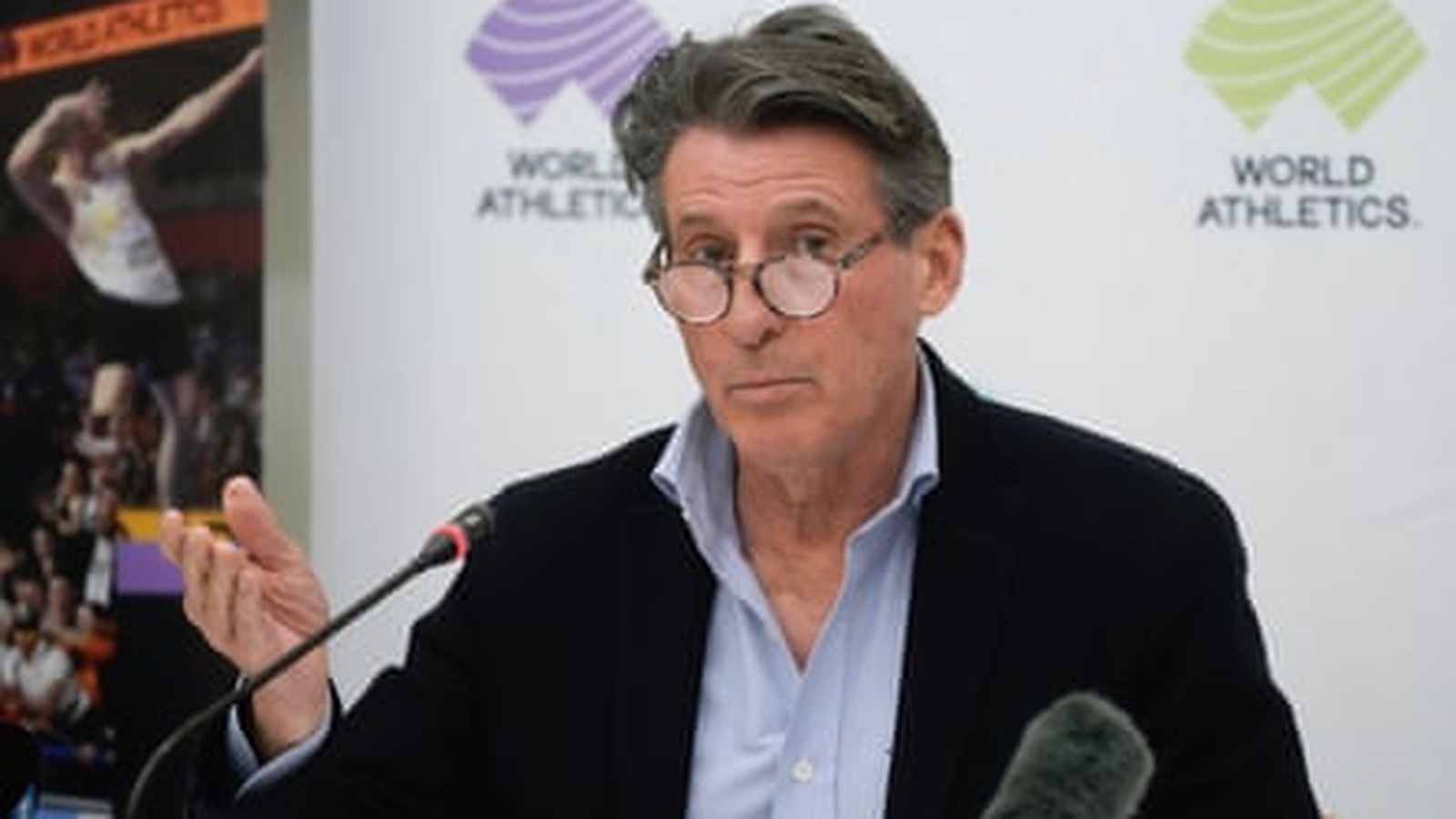
World Athletics President Sebastian Coe has issued a firm stance on the necessity of maintaining the independence of sports governing bodies from political pressure. Speaking to journalists during the European Championships in Birmingham, Coe articulated a clear philosophy for international sports administration: politicians should be kept “on the bus” as partners, but never allowed to touch the “steering wheel.”
This rhetoric comes at a time of heightened tension regarding the intersection of geopolitics and athletic competition. Addressing concerns about potential political interference at the 2028 Los Angeles Olympics, Coe drew upon his own experience leading the 2012 London Games. He acknowledged that while close cooperation with government departments—such as Treasury, Defense, and the Home Office—is vital for the logistical delivery of major events, these relationships must not supersede the decision-making authority of sport federations. Coe specifically criticized instances where government leaders attempt to influence sporting outcomes, noting that organizations must possess the resilience to decline such interventions.
The Stance on Russian Athletics
A central pillar of Coe’s current agenda is the defense of the ban on Russian and Belarusian athletes. Despite the International Olympic Committee’s (IOC) recent decision to allow Russian participation in qualifying competitions for the 2028 Games, World Athletics has maintained its own strict sanctions imposed following the invasion of Ukraine in 2022.
The Russian Athletics federation has challenged these sanctions at the Court of Arbitration for Sport (CAS). Coe confirmed he will personally appear in court to defend the governing body’s position. He stressed that this is not a political maneuver but a fundamental question of the integrity of competition. “The primacy of an international federation to determine what eligibility looks like in the sport is the base of the pyramid,” Coe stated, reiterating that World Athletics will prioritize the interests of its sport over external pressures.
Financial Governance and Future Bids
Beyond geopolitical challenges, Coe addressed the evolving financial landscape of international sports. As World Athletics prepares for upcoming broadcast and sponsorship contract renewals in 2029, the organization is exploring diversified revenue streams, including potential partnerships with private equity firms. Coe noted that while such partnerships are common in modern sports, they require rigorous checks and balances to ensure transparency and alignment with the organization’s long-term ambitions.
Regarding London’s bid for the 2029 World Championships, Coe dismissed concerns that low attendance at current events would hinder the city’s chances. He clarified that the selection process is based on a series of objective metrics evaluated by an independent panel, emphasizing that he will not have a vote in the final decision, which is expected next month.