


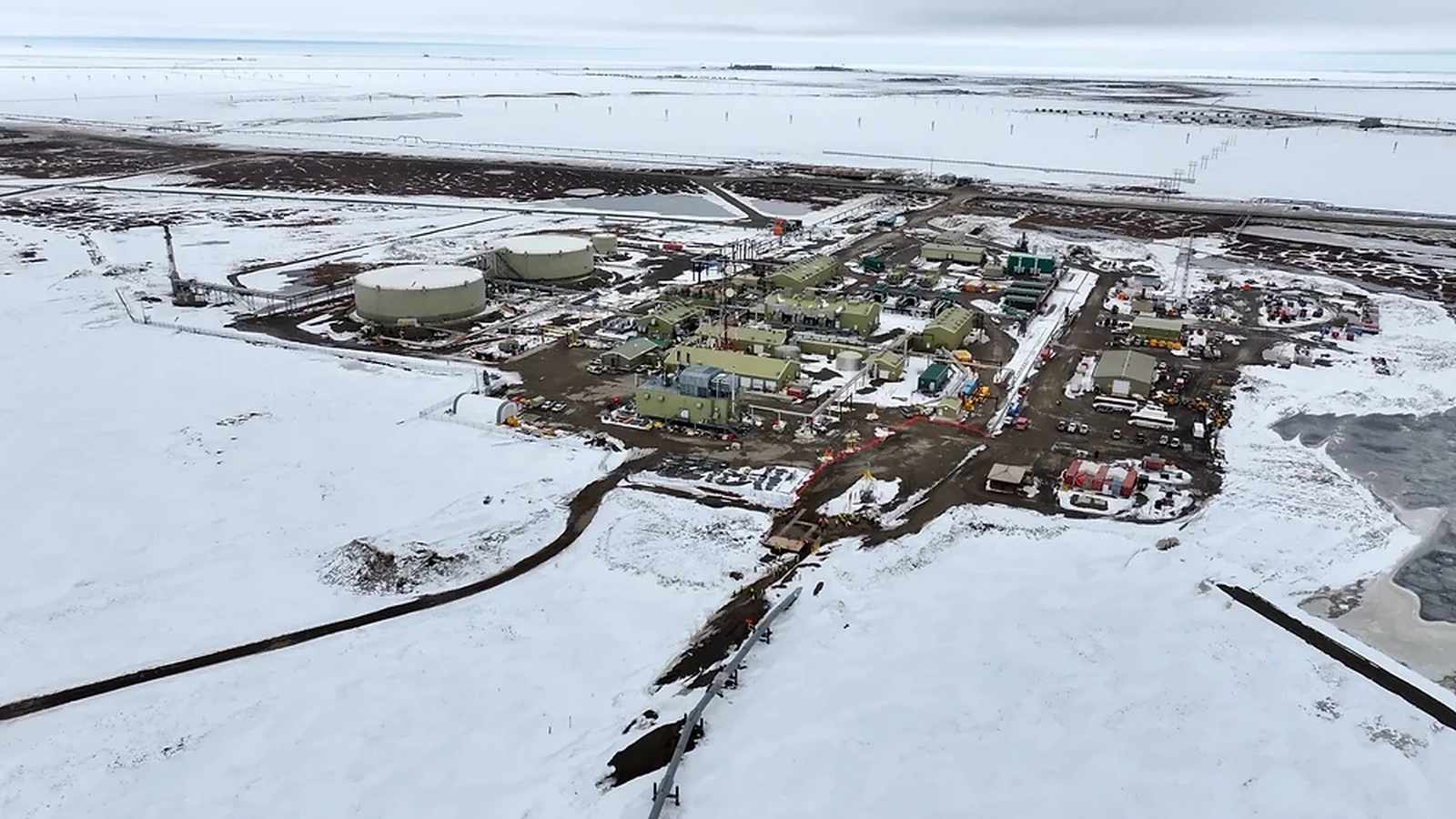
A Hidden Backer Behind the Alaska Venture
A multibillion-dollar initiative to extract and export natural gas from Alaska’s North Slope has become entangled in high-stakes diplomacy after investigators and whistleblowers uncovered covert financial backing from a major Russian energy enterprise, Raw Story reported, drawing on an investigation originally published by The New York Times. The startup at the center of the controversy, Polar LNG, was established to purchase Russian technology, liquefy northern gas reserves, and export the fuel to allied nations abroad. At first glance, the proposal appeared aligned with Washington’s broader geopolitical objective of expanding North American energy influence. However, documents and executive testimony revealed that the venture was not entirely domestic, involving capital transfers routed through foreign intermediaries to conceal Moscow’s direct participation.
Whistleblower Resignation and Regulatory Warnings
The clandestine arrangement came to public attention after Joel Riddle, who served as chief executive of Polar LNG until his departure, resigned from the company in September and alerted federal authorities to potential regulatory and sanctions violations. According to interviews and corporate records cited by Raw Story, Riddle was initially led to believe that the venture’s financial backing originated from an entity based in the United Arab Emirates. Subsequent reviews of text messages and corporate memos, however, demonstrated that Russian energy giant Novatek—which is currently subject to partial U.S. sanctions—was orchestrating capital transfers amounting to $15 million through an Abu Dhabi parent company named Tech Wave. Memos prepared by the legal firm Baker Botts and attached to Riddle’s resignation documents warned that Treasury Department sanctions enforcers had flagged severe legal liabilities regarding the covert Russian funding stream.
Intersection With Diplomatic Negotiations
The revelations regarding Polar LNG surfaced precisely as high-level diplomatic discussions aimed at resolving the war in Ukraine were underway between the Kremlin and White House envoys. People familiar with the negotiations, as cited by Raw Story, confirmed that Russian President Vladimir Putin discussed the Alaska energy proposal with U.S. envoys Steve Witkoff and Jared Kushner. While White House officials viewed prospective energy arrangements with Moscow as a potential mechanism to stabilize bilateral engagement, the hidden involvement of Novatek introduced acute national security complications. There is no public indication that Witkoff or Kushner were aware of Novatek’s financial footprint within Polar LNG at the time of their discussions.
Sanctions Waivers and Stakeholder Reactions
The controversy coincides with complex legislative maneuvers surrounding U.S. sanctions policy. While recent statutory measures specifically target Novatek and its commercial operations, the administration temporarily waived certain Russia-related sanctions to maintain momentum in ongoing peace talks. In response to the whistleblower disclosures, a spokesperson for Polar LNG defended the corporate structure, named Tim Talkington as acting chief executive, and characterized Riddle as a disgruntled employee terminated for cause. Meanwhile, energy policy analysts and former administration officials, including former State Department energy official Geoffrey Pyatt, cautioned that allowing sanctioned Russian entities back into strategic infrastructure projects risks undermining long-term enforcement frameworks and provides undue leverage to Moscow.