


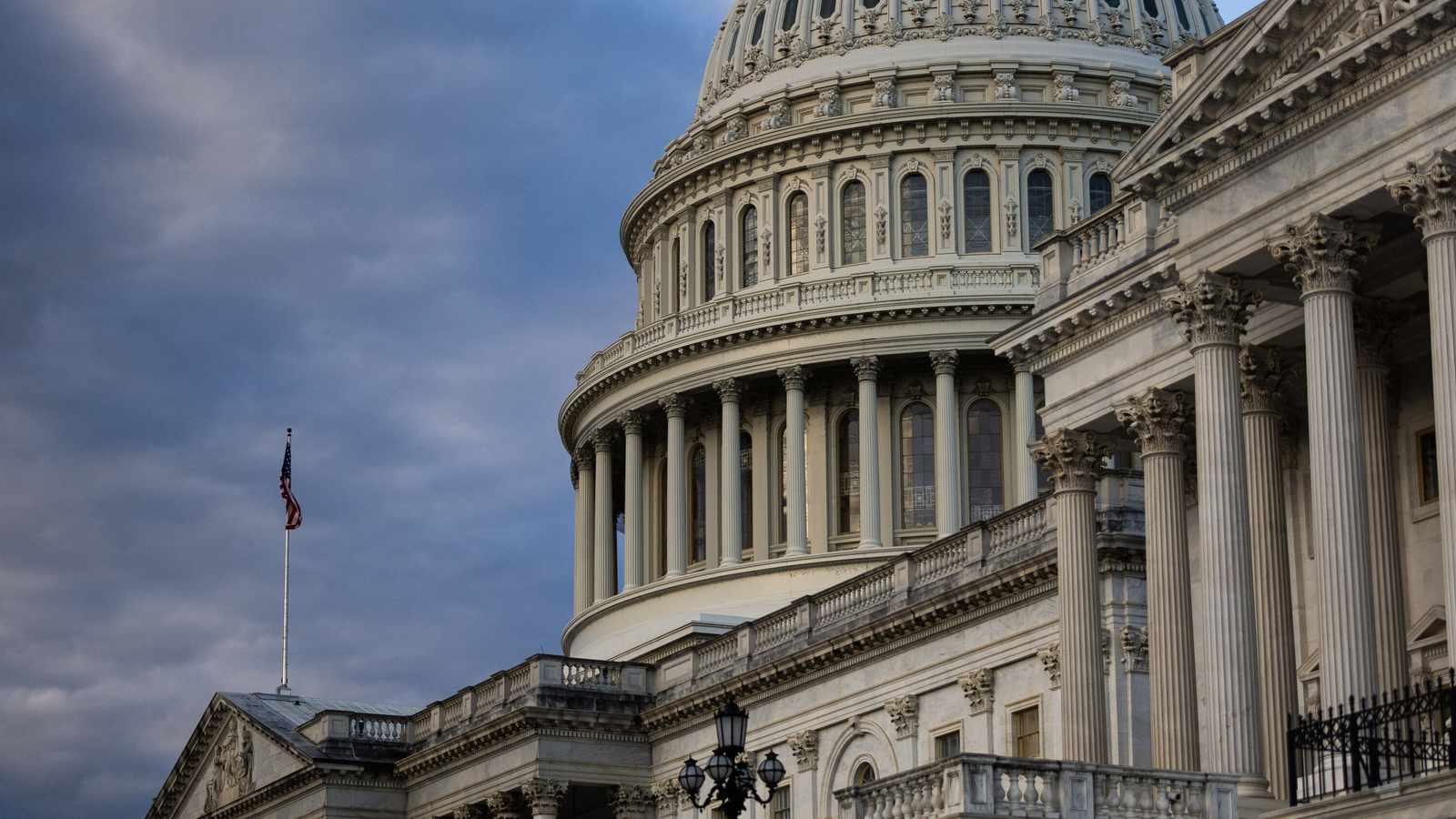
WASHINGTON — The United States Senate is advancing toward a decisive procedural showdown over the federal government’s most ambitious attempt to establish a legal framework for digital assets. Late Sunday evening, Senate Republicans unveiled an updated draft of the Clarity Act, incorporating significant ethics concessions intended to draw crucial Democratic support ahead of a scheduled Tuesday cloture vote.
According to reporting by Punchbowl News, the newly released compromise draft grants state attorneys general explicit authority to enforce digital asset conflict-of-interest rules against senior executive branch officials and federal lawmakers. The procedural vote, scheduled for September 15, requires a 60-vote supermajority to limit debate and bring the multi-hundred-page legislative package to the Senate floor.
Ethics Provisions and State Enforcement Powers
The revised bill places direct limits on federal officials, including President Donald Trump, federally elected lawmakers, their spouses, and federal judges. Under the updated text, covered officials are prohibited from issuing, sponsoring, or holding significant financial stakes in digital asset products. To comply, officials must either fully divest their crypto holdings or transfer them into a qualified blind trust.
A primary point of contention during negotiations centered on enforcement authority. As noted by ClickOrlando, President Trump agreed to the bipartisan ethics package after intensive negotiations driven by Sens. Thom Tillis (R-N.C.) and Ruben Gallego (D-Ariz.). White House crypto adviser Patrick Witt publicly endorsed the compromise, stating on X that the administration had worked to address policy goals raised by Senate Democrats throughout the year-long negotiating process.
The inclusion of state attorneys general in the enforcement mechanism represents a major structural shift. State AGs will have standing to sue federal officials who violate ethics rules and can demand that cryptocurrency exchanges delist non-compliant products, provided the state authorities can prove direct harm. Key conservative lawmakers, including Sens. Cynthia Lummis (R-Wyo.) and Bernie Moreno (R-Ohio), had previously raised sharp objections to empowering state legal officers, citing concerns over potential political weaponization.
Revisions to Decentralized Finance and Banking Oversight
Beyond executive ethics, Republican negotiators trimmed several regulatory protections previously sought by digital asset advocates. The new draft substantially narrows the scope of the Blockchain Regulatory Certainty Act (BRCA), accommodating law enforcement concerns raised by Sens. Catherine Cortez Masto (D-Nev.) and Mark Warner (D-Va.).
Crucially, the updated draft removes explicit criminal immunity for decentralized finance (DeFi) software developers under 18 U.S.C. Section 1960, which governs unlicensed money transmission. While civil liability protections remain intact, the elimination of criminal shields marks a significant setback for crypto industry lobbying groups that argued developers should not be held liable for third-party protocol usage.
To address persistent concerns from traditional banking institutions regarding capital flight, the legislation mandates that the Treasury Secretary monitor potential deposit shifts away from commercial banks toward yield-bearing stablecoins. The monitoring requirement takes effect 18 months after potential enactment, though bank representatives continue to press for stronger legislative guardrails.
State Legal Officers Issue Formal Warning
Despite the inclusion of state AG enforcement powers within the federal ethics title, state regulatory officials expressed deep opposition to the broader regulatory structure created by the Clarity Act. In a formal letter delivered to the Senate Banking Committee on Monday, a bipartisan coalition of state attorneys general urged leadership to reject the bill in its current form.
Led by New York Attorney General Letitia James, the coalition warned that the draft legislation threatens to preempt state-level consumer protection enforcement and market oversight. Signed by prominent Democratic officials alongside Republican Attorneys General Kris Kobach of Kansas and Andy Wilson of Ohio, the letter contended that ambiguous statutory phrasing could invite federal legal challenges against state-level fraud prosecutions.
The jurisdictional compromise in the Clarity Act divides primary regulatory responsibility for digital tokens between the Securities and Exchange Commission (SEC) and the Commodity Futures Trading Commission (CFTC). State officials argue this dual structure risks carving out enforcement loopholes that could weaken local consumer protection mandates.
High-Stakes Floor Test
The Senate faces a tight political window to assemble the 60 votes required to pass Tuesday’s procedural threshold. Republican leadership holds a slim majority in the chamber, meaning the bill cannot advance without bipartisan backing from moderate and key committee Democrats.
Market participants, commercial banking lobbies, and consumer advocacy groups are closely tracking the vote. Should cloture succeed, the Senate will proceed to formal amendment proceedings; if the vote fails, leadership will be forced back to negotiations or postpone market structure legislation until after upcoming congressional cycles.