


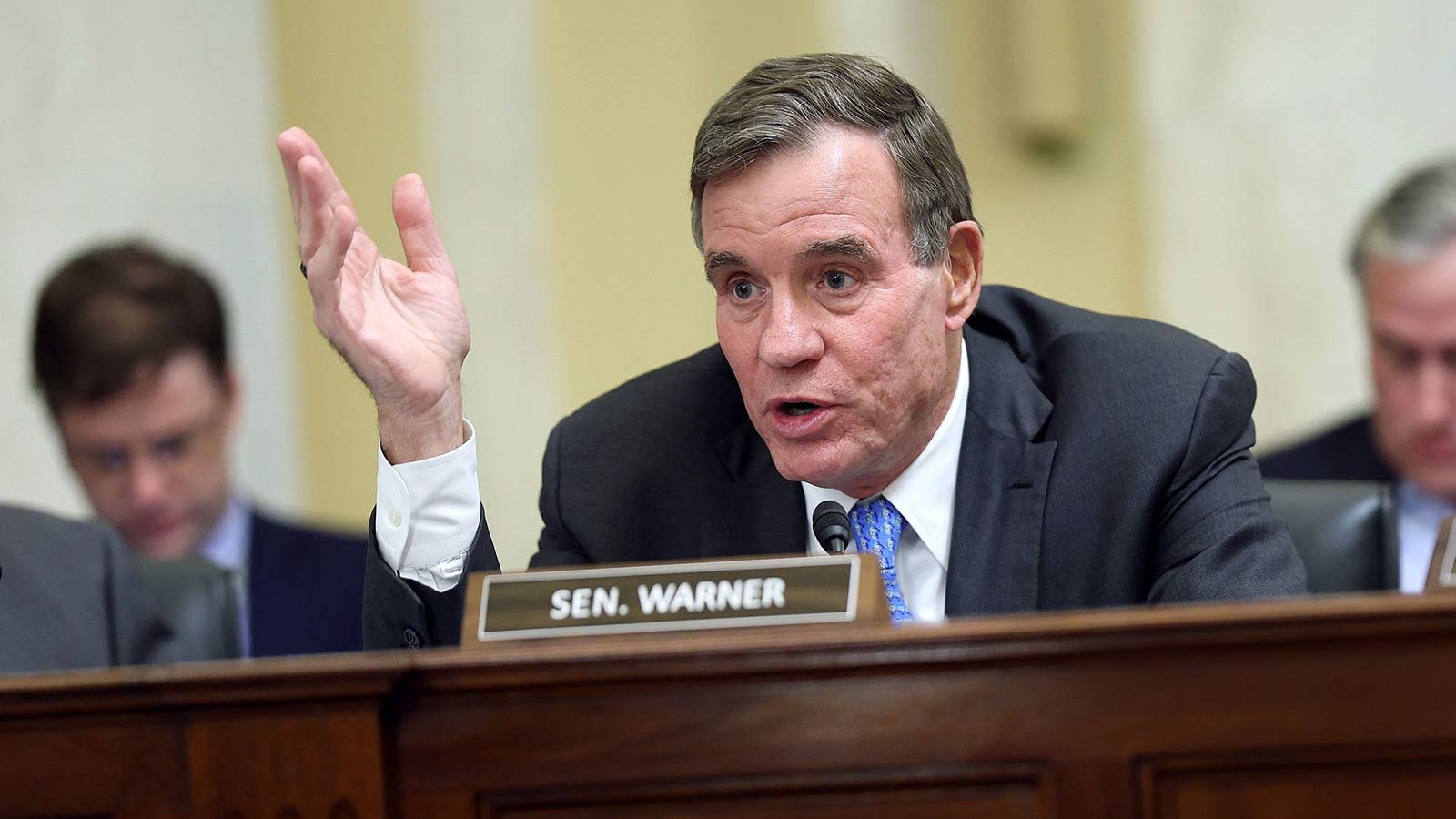
This week, Senator Mark Warner, a prominent Democrat from Virginia and the ranking member of the Senate Intelligence Committee, highlighted alarming challenges to Congressional oversight. The senator’s remarks followed a controversial series of events, including Health and Human Services Secretary Robert F. Kennedy Jr.’s testimony before the Senate Finance Committee and the abrupt cancellation of a classified meeting with the National Geospatial-Intelligence Agency (NGA).
RFK Jr.’s Senate Testimony Sparks Fierce Debate
On September 4, 2025, RFK Jr. appeared before the Senate Finance Committee to defend his recent healthcare policies, which have drawn bipartisan criticism. As reported by USA Today, Kennedy faced sharp rebukes over his decision to oust Centers for Disease Control and Prevention (CDC) Director Susan Monarez and his controversial stance on vaccines. The testimony came amid growing concerns about the politicization of public health under his tenure.
Senator Bill Cassidy, a Republican from Louisiana and a practicing physician, accused Kennedy of undermining public trust by dismissing top CDC officials and cutting $500 million in funding for mRNA vaccine research. “It seems inconsistent of you,” Cassidy remarked, referencing Kennedy’s past support for Operation Warp Speed, a Trump-era initiative that accelerated vaccine development. Democratic senators, including Ron Wyden of Oregon, further criticized Kennedy for what they called a “healthcare calamity” under his leadership.
RFK Jr. defended his actions, describing the CDC shakeup as “absolutely necessary” to restore the agency’s focus on protecting Americans from infectious diseases. However, his assertion that former CDC Director Monarez lied about the circumstances of her firing only deepened the controversy.
Warner Questions the State of Congressional Oversight
On the same day, Senator Warner voiced his concerns over the cancellation of a scheduled classified briefing with the NGA. According to Military.com, the meeting was called off following criticism from Laura Loomer, a far-right conspiracy theorist. Warner questioned the implications of such external influences on government transparency, asking, “Is congressional oversight dead? Is Laura Loomer now the Secretary of Defense?”
Warner’s remarks underscored broader frustrations within Congress about the Trump administration’s approach to oversight. The senator’s canceled meeting with the NGA marked yet another instance where legislative scrutiny was curtailed, raising alarms about the balance of power between the executive and legislative branches.
Healthcare and Intelligence Oversight at a Crossroads
The controversies surrounding RFK Jr.’s testimony and the NGA meeting cancellation reflect a broader struggle over accountability in the federal government. As noted by C-SPAN, the week’s events come amid heightened scrutiny of President Trump’s healthcare agenda and his administration’s handling of intelligence operations. These challenges have prompted calls from both sides of the aisle for greater transparency and oversight.
Senator Warner’s comments also align with growing concerns among Democrats, who have been vocal in their opposition to Kennedy’s leadership. In a joint statement, Democratic members of the Senate Finance Committee demanded Kennedy’s resignation, citing his “dangerous” policies and decisions. The letter was signed by prominent senators, including Warner, Elizabeth Warren, and Bernie Sanders.
Looking Ahead: The Need for Restored Trust
As these debates unfold, the need for restored trust in public institutions remains paramount. Whether addressing healthcare policy or intelligence oversight, lawmakers like Senator Warner emphasize the importance of maintaining a balance of power and ensuring government accountability. The coming weeks are likely to see intensified discussions on these critical issues as Congress seeks to reassert its oversight role.
As the nation grapples with these pressing concerns, the intersection of public health and government transparency will remain a focal point. The actions of leaders like Senator Warner highlight the ongoing struggle to uphold democratic principles in challenging times.