


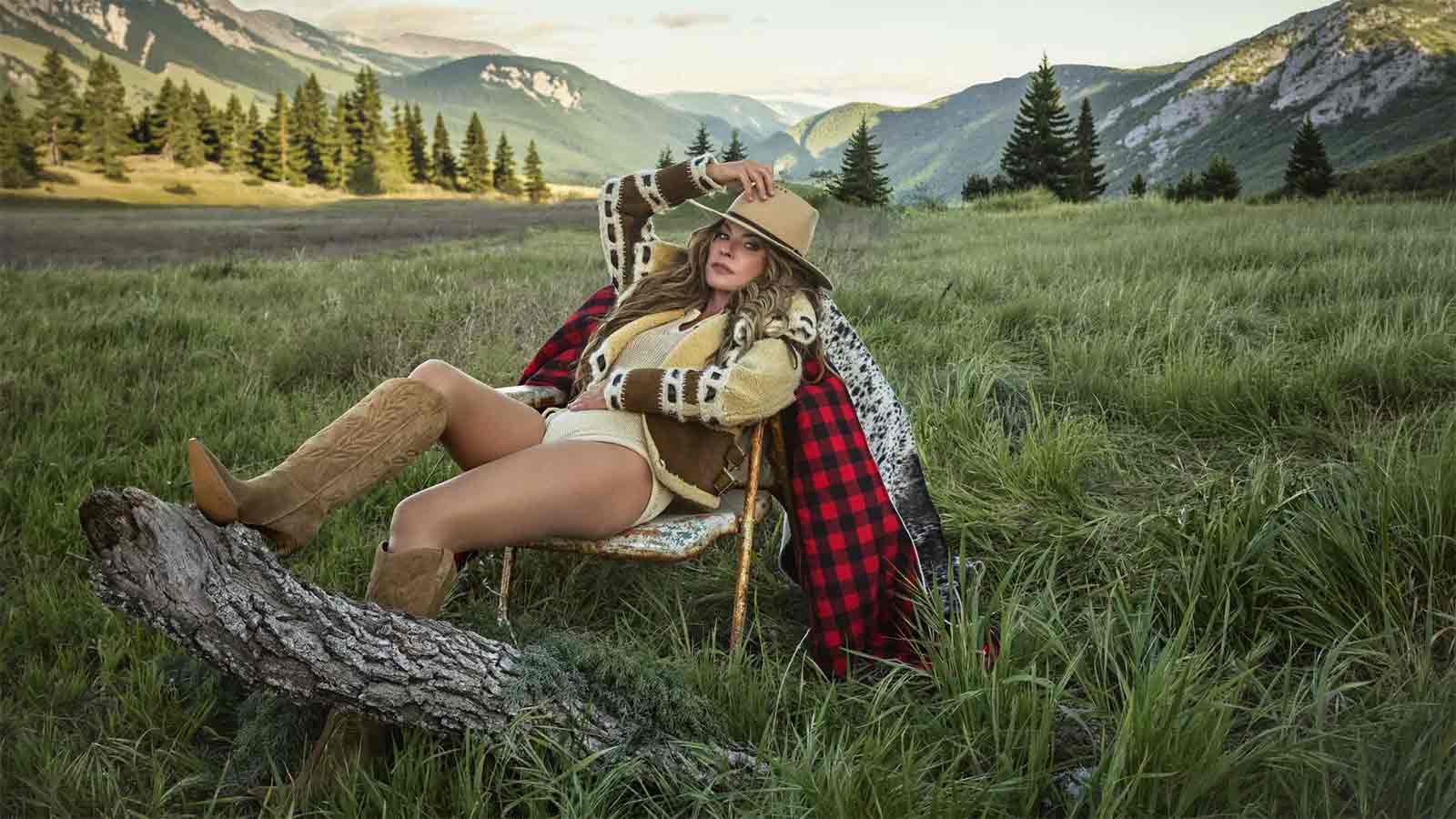
On Friday, July 24, 2026, global country-pop superstar Shania Twain will release her highly anticipated seventh studio album, Little Miss Twain, marking a profound creative shift in her historic career. Published via Republic Records, the project represents a deliberate departure from the highly polished, universally engineered commercial songwriting that defined her multi-platinum era. Instead, Twain is turning the lens inward, offering listeners an intimate, autobiographical exploration of her pre-fame childhood in the remote mining town of Timmins, Ontario, and the enduring grief of losing her parents in a tragic car accident at the age of 22.
The album’s rollout has been defined by high-profile appearances and strategic live showcases. Twain recently performed the rousing, rock-infused single “Dirty Rosie”—a track reflecting on her first truck and her early driving years—on NBC’s The Tonight Show Starring Jimmy Fallon. This late-night appearance followed her monumental summer stint in London, where she opened for close friend Harry Styles during his record-breaking 12-show run at Wembley Stadium before an audience of 90,000 people per night. Speaking to Billboard over Zoom from Ireland, where she had just performed at Thomond Park Stadium, Twain revealed that the new record is an act of self-reflection she previously deemed too specific for commercial radio.
A Return to the Wilderness of Timmins
Before achieving global fame, Twain was Eilleen Regina Twain, a young girl performing cover songs in remote motel bars to support her family. In her interviews with both Billboard and Rolling Stone, Twain detailed the harsh reality of her youth, where her family relied on broken-down cars that had to be pushed to start, navigating the rustic and unforgiving winters of northern Ontario. “My music and performing classes would be a local bar in a remote gold mining town,” Twain recalled, emphasizing that her relationship with her late mother was the crucible of her artistic ambition.
This period of her life was abruptly halted when her parents were killed in a car crash. At 22, Twain deferred her musical dreams to raise her younger siblings, working in local bars in Toronto before being discovered in Nashville. Her 1993 self-titled debut achieved minor success, but it was her 1995 breakthrough album, The Woman in Me—produced by her then-husband Robert “Mutt” Lange—and its chart-topping lead single “Any Man of Mine” (released April 25, 1995, and reaching No. 1 on July 22, 1995) that catapulted her to superstardom. While those early hits relied on dance beats and empowering, universal anthems, Little Miss Twain seeks to honor the raw, unpolished memories that preceded her commercial rise.
The Sonic Architecture: Intergenerational and Cross-Genre Alliances
Produced in collaboration with Zach Dawes, the album’s musical landscape is deliberately eclectic, reflecting the diverse genres Twain absorbed during her youth—ranging from bluegrass and Motown to 1980s rock and big band. Rather than relying on a singular production style, Twain assembled a prestigious and diverse roster of collaborators to bring these memories to life.
A central figure in this process is her 24-year-old son, Eja, who co-wrote and co-produced several tracks on the album. Twain praised their technical partnership, noting that Eja’s mastery of modern studio technology and multi-instrumental capabilities perfectly complements her traditional acoustic, folk-based songwriting style. “He takes me somewhere that I wouldn’t go on my own,” she stated, signaling a potential long-term creative alliance.
The album also features unexpected collaborations that underscore Twain’s musical versatility. On “Faded Blue Jeans,” a track named after the literal jeans she wore in the iconic “Any Man of Mine” music video, she partners with Queens of the Stone Age frontman Josh Homme. The collaboration was initiated by producer Zach Dawes, tapping into Twain’s self-described love for late-1980s rock. Additionally, the legendary Ronnie Wood of The Rolling Stones co-wrote and performed on “Take It to the River” after a chance meeting at a beach resort over Easter, where the two musicians ended up jamming in a local studio.
The Quintessential Goal: Tanya Tucker and the Legacy of Country Royalty
Perhaps the most emotionally significant track on the album is the title song, “Little Miss Twain,” which features country music pioneer Tanya Tucker. For Twain, the collaboration represents the fulfillment of her late mother’s ultimate dream. During her childhood, Tucker was the gold standard of country success, with her mother constantly encouraging young Eilleen to emulate the young star.
Twain revealed that she initially met Tucker backstage in a hallway near the garbage bins at the Grammy Awards years prior. When recording the album, Twain invited Tucker to participate without initially playing her the track, wishing to surprise her in the studio. Twain personally produced Tucker’s vocals, describing the experience as a historic moment for country music and a deeply personal tribute to her mother’s early vision.
Industry Stakes: Shifting from Universal Hits to Local Specificity
From an industry perspective, Little Miss Twain represents a calculated risk for the best-selling female country artist of all time. In her conversations with music journalists, Twain acknowledged that commercial songwriting often demands broad, easily digestible themes—what she humorously referred to as “Margaritaville” songwriting. By contrast, tracks like “Northern Town” feature highly specific local details, including a literal Dairy Queen order shared with her late father in Timmins.
However, Twain is betting that the hyper-specificity of her rustic upbringing will resonate through its underlying emotional honesty. The album’s opening track, “Stranger Things,” utilizes the rhythmic chugging of a train—a primary transport avenue in northern mining towns—to evoke a sense of childhood wonder and the desire for escape. By blending these highly personal narratives with accessible, genre-spanning arrangements, Twain aims to prove that the deeply specific can indeed become universal. She has already expressed a strong desire to perform the album live from start to finish with a specialized group of musicians capable of handling its complex acoustic, horn, and bluegrass elements.