

Quick Read
- As much as 8 inches of rain fell in Redding and surrounding areas over the weekend.
- Flash flooding knocked out power and stranded motorists, prompting multiple rescues.
- Authorities warn residents to avoid flooded roads and move to higher ground; risks continue through Christmas week.
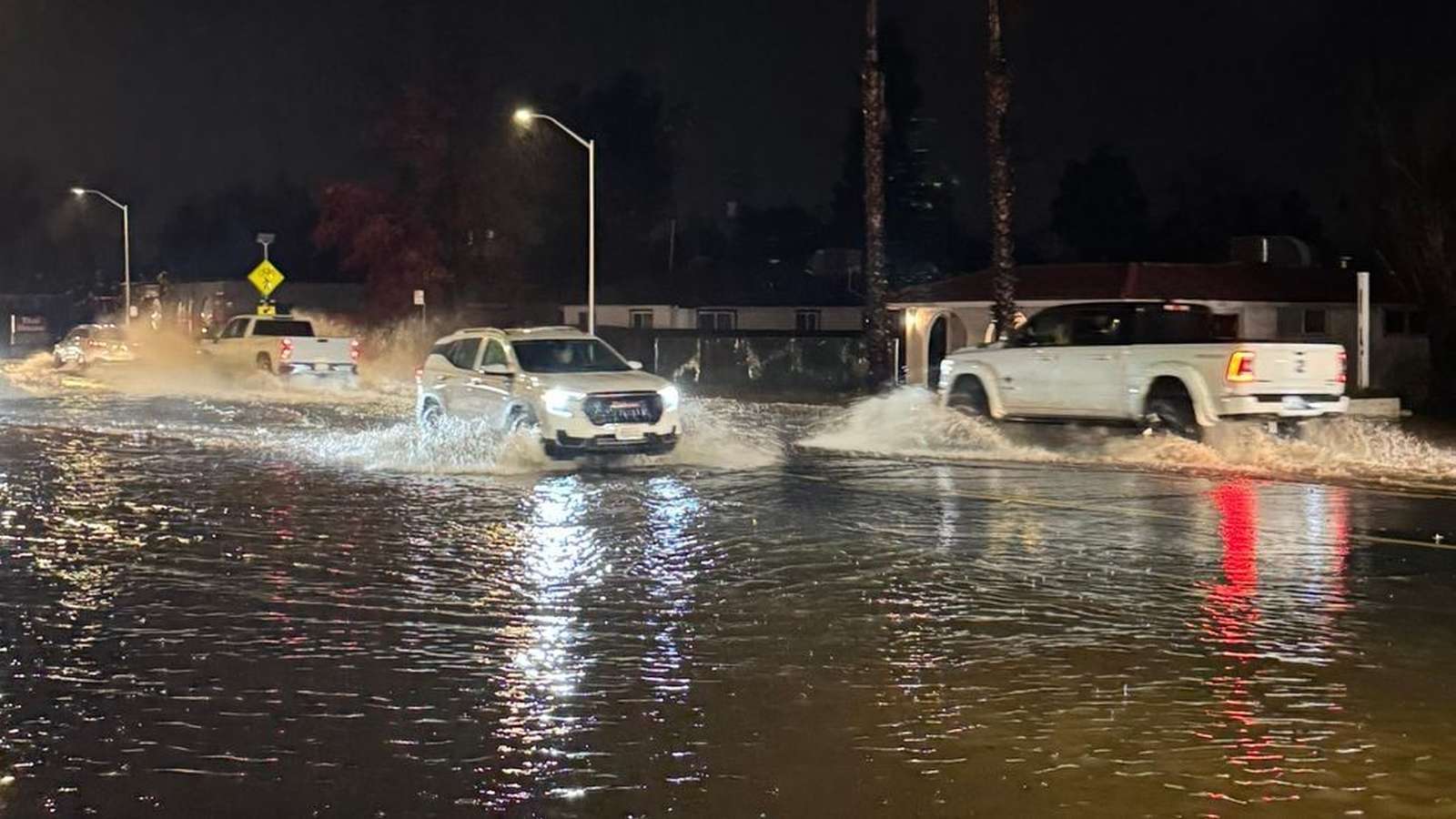
As holiday celebrations approached, Shasta County found itself in the grip of an unrelenting storm, one that left neighborhoods dark, roads impassable, and emergency crews scrambling to keep residents safe. Over the weekend, as much as eight inches of rain hammered Redding and its surrounding communities, prompting the National Weather Service to declare a “life threatening” flash flood warning that lasted late into Sunday night.
Flash Floods Leave Redding Residents Without Power and Stranded
According to the National Weather Service and local law enforcement, the rainfall was more than just a downpour—it was a deluge that overwhelmed creeks, rivers, and city streets. Power outages swept across Redding and nearby areas, including the Country Heights neighborhood, leaving residents to weather the storm in darkness. Water rose to knee-high levels on some streets, notably near Buenaventura Boulevard, forcing the closure of several major roads and trapping vehicles in rapidly rising floodwaters.
Interstate 5 southbound near South Bonnyview, Mary Lake Park, Shasta View, and Capricorn Street all saw significant flooding, with water levels reportedly higher than street fire hydrants. For drivers, the situation turned perilous quickly. Redding Police and the California Department of Transportation issued urgent warnings: do not attempt to cross flooded roads, even if the water appears shallow. “Even shallow water can stall your vehicle, sweep it off the roadway, or create dangerous situations for you and first responders,” police cautioned on social media.
Swift Water Rescues and Rising Risks
As the rain continued, emergency responders found themselves carrying out numerous swift water rescues. Stranded motorists who misjudged the depth and force of floodwaters became the focus of rescue operations, underscoring the unpredictable and dangerous nature of flash floods. The weather service emphasized that most flood fatalities happen in vehicles, reiterating the now-familiar warning: “Turn around, don’t drown.” Nighttime, with its reduced visibility, only heightened the risk, making it harder for drivers to judge hazards until it was too late.
In addition to urban streets, creeks and rivers across the region surged past their banks. Streams such as Old Cow Creek, Kanaka Creek, Clear Creek, Pit River, Cow Creek, Stillwater Creek, and the Sacramento River were either actively flooding or at high risk, threatening nearby homes and infrastructure. Communities near these waterways—including Redding, Palo Cedro, Shasta Lake, Anderson, Keswick, Mountain Gate, Olinda, Centerville, Millville, Igo, Cottonwood, and Shasta Dam—were especially vulnerable.
Authorities Advise Caution and Preparedness
With rain forecast to continue through the week of Christmas, the National Weather Service extended its flood watch for the Sacramento Valley, Burney Basin, and wider regions of Northern and Central California. Residents were urged to move to higher ground, avoid driving in flooded areas, and report hazardous conditions if safe to do so. The guidance was clear: take alternate routes, allow extra travel time, and never underestimate the power of moving water.
The storm’s impact was not limited to immediate emergencies. Flooding in neighborhoods with poor drainage raised concerns about longer-term damage to homes, businesses, and public infrastructure. The threat extended beyond Redding, with rural and suburban communities also facing closures and power outages.
Community Response and Looking Ahead
Local journalists and officials have worked to keep the public informed, with the Redding Record Searchlight making coverage of the storm freely available as a public service. Social media groups and community networks have become lifelines for sharing real-time updates and advice, helping neighbors check in on one another and coordinate responses.
For many, the storm was a stark reminder of the vulnerability that comes with living in flood-prone regions, especially as climate patterns shift and severe weather events grow more frequent. Yet, amid the disruption and anxiety, the resilience of Shasta County’s residents and first responders shone through. Their quick actions—moving to safety, assisting stranded drivers, and keeping communication lines open—helped to mitigate what could have been an even greater tragedy.
As Shasta County faces ongoing rain and flooding risks, the story is not just about water and weather—it’s about the strength of community under pressure. The facts reveal a sobering reality: preparedness and vigilance remain crucial, and every decision, from choosing a route to checking on a neighbor, can make a life-saving difference.