


Shifting Admission Landscapes
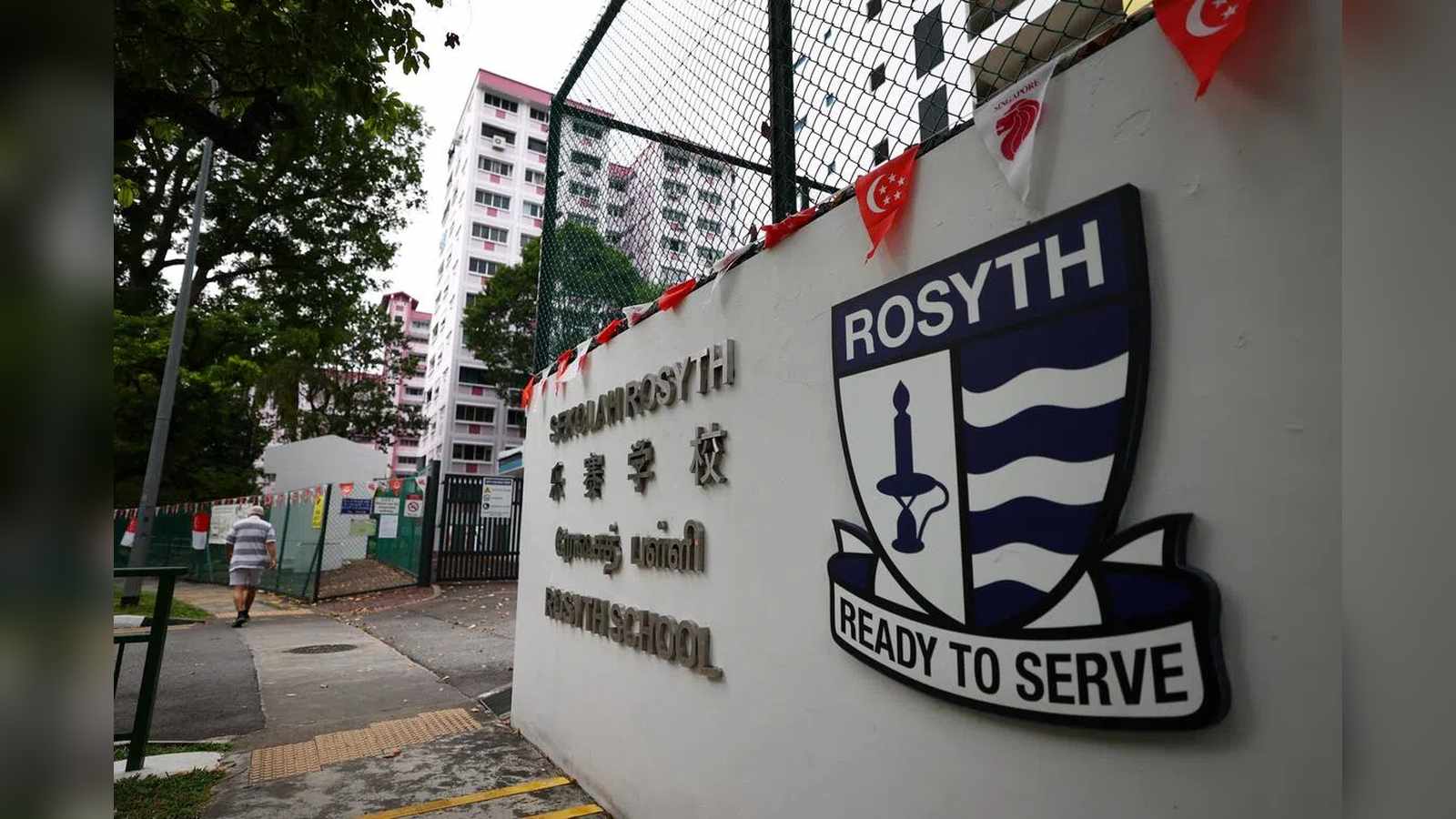
At least four prominent primary schools in Singapore have officially discontinued their parent volunteer (PV) schemes over the last two years, marking a subtle but significant shift in the nation’s Primary 1 registration ecosystem. Fairfield Methodist School (Primary) and Mee Toh School ended their programs in 2026, following similar moves by Hong Wen School and Rosyth School in 2025.
The PV scheme, which traditionally allowed parents to secure priority access to Phase 2B of the registration exercise by completing at least 40 hours of service, has long been a fixture in Singaporean education. However, the decision by these institutions to scrap the practice signals a changing approach to school-community engagement. Both Fairfield Methodist and Rosyth cited the robust support already provided by their existing Parent Support Groups (PSGs)—which consist of parents whose children are already enrolled—as the primary reason for ending the external volunteer pathway.
The Debate Over Equity and Access
The move comes as the Ministry of Education (MOE) continues to review the Primary 1 registration framework. Education Minister Desmond Lee recently acknowledged that the current priority system, which relies heavily on affiliations such as alumni legacy and volunteerism, can inadvertently lead to a concentration of specific pupil profiles, potentially hindering social mixing.
Sociologists point to the inherent inequality in the PV system. Dr. Vincent Chua, an associate professor at the National University of Singapore (NUS), noted that the scheme often rewards “time-privileged” parents. Families with the flexibility to contribute 40 hours of manual labor—such as acting as traffic wardens or library aides—often hold an advantage over dual-income households or those with multiple jobs, who cannot realistically carve out such time.
While schools like Fairfield Methodist and Rosyth have moved away from this model, the broader system remains complex. MOE data indicates that approximately one-third of Singapore’s 182 primary schools continue to offer the PV scheme. The Ministry maintains that schools retain the discretion to implement these programs based on their specific operational needs.
Institutional Constraints and Future Outlook
Despite the closure of the PV route in several schools, significant “closed-loop” pathways persist. Phase 2A, for example, continues to grant priority to children of alumni, staff, and advisory committee members. Critics argue that these legacy channels, combined with the proximity-based advantage in Phase 2C, still favor families with existing institutional or socio-economic capital.
The pressure on popular schools remains intense. In 2025, Fairfield Methodist saw 30 applicants competing for 20 reserved spots in Phase 2B, a trend that underscores why the removal of the PV scheme is highly sensitive. For many parents, the volunteer route was viewed as a “transactional” necessity to gain entry into oversubscribed institutions. As schools move toward reliance on internal parent support groups, the path to admission for the average family remains a narrow corridor, heavily influenced by distance and historical institutional ties.