


A Viral Satire on Caregiving
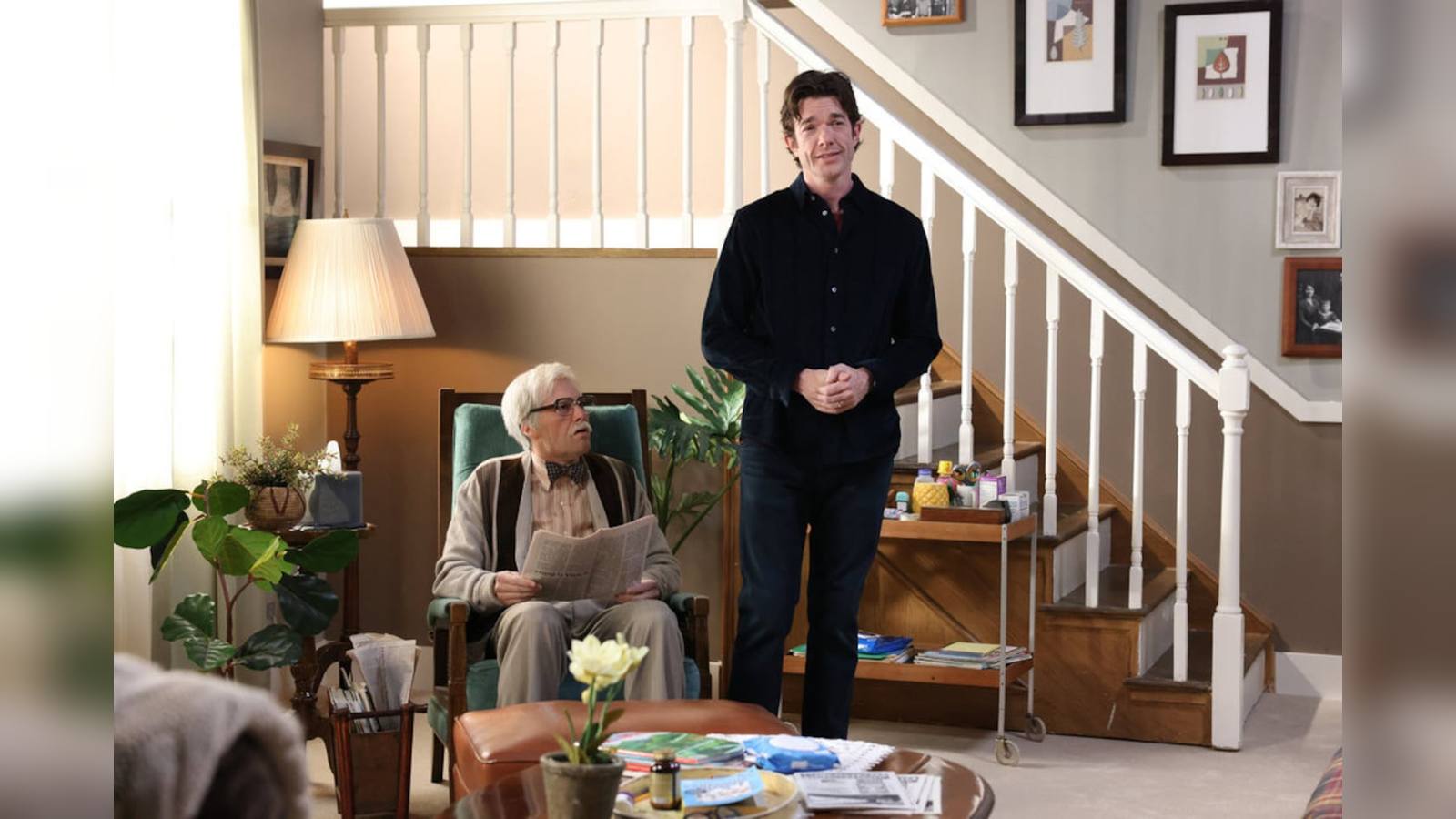
On the weekend of November 15–16, 2026, a pre-taped sketch titled “Sister” from Saturday Night Live, featuring host John Mulaney, became a viral sensation across social media platforms. The comedy sketch depicts a satirical “service” where a sister serves as a free, 24/7, live-in elder care provider for her aging parent. The sketch highlights the systemic reality where adult daughters often shoulder the bulk of unpaid caregiving responsibilities, a phenomenon that has resonated deeply with individuals across the United States.
As reported by The Boston Globe, the sketch features Mulaney explaining that he hired “Sister” to avoid the costs of professional home health aides. The parody character, played by Jane Wickline, is depicted as an exhausted woman who is “activated” by a text message to handle all medical and logistical needs. The sketch explicitly mocks the societal expectation that women should automatically assume these burdens, with a “doctor” character in the skit explaining that “internalized sexism” often conditions women to accept caregiving as their sole responsibility. The sketch notably concludes with the biting line, “See you at the funeral,” underscoring the indefinite nature of the obligation.
The Reality Behind the Humor
The reception to the sketch has been intense, moving beyond mere entertainment into a broader discourse on the “invisible labor” performed by women. Liz O’Donnell, founder of the support group Working Daughter, noted that the sketch functions as a mirror for the caregiving crisis, where women frequently balance professional careers with the complex medical and emotional demands of aging parents. Many social media users have shared their personal frustrations, with some describing their own brothers as “absent” or “passive” participants in the caregiving process, while others highlighted the emotional toll of becoming the default “project manager” for their parents’ health. The sketch has even been described by some as a potential “shorthand” for family group chats to address these imbalances.
While the sketch was written by SNL staffers Mikey Day, Streeter Seidell, and Simon Rich—with Seidell dedicating the work to his own sister, Heidi—its impact has been felt in real-world support networks. O’Donnell suggested that while the sketch itself may not change systemic issues, it has significantly raised awareness of the disproportionate reliance on daughters as the primary elder care infrastructure in the country. The discourse has also highlighted a phenomenon known as “anticipatory resentment,” where younger women, seeing the struggles of current caregivers, already fear that similar burdens will be placed upon them by their families in the future.
Looking Toward Systemic Change
The viral nature of the “Sister” sketch has prompted a wider call for transparency in family dynamics. Experts and advocates argue that the humor serves as a necessary, albeit painful, acknowledgment of the caregiver burnout epidemic. By exposing the “default” status often assigned to sisters, the sketch has forced families to confront the inequity of caregiving labor. As the conversation continues, many are looking for ways to transition from “bittersweet laughs” to concrete policy discussions regarding the cost of elder care and the lack of support for family caregivers. The Boston Globe has since announced a new column dedicated to these complex, often hidden, realities of caregiving, inviting readers to share their own experiences with the hopes of bringing the private struggles of families into the public sphere for meaningful reform.