


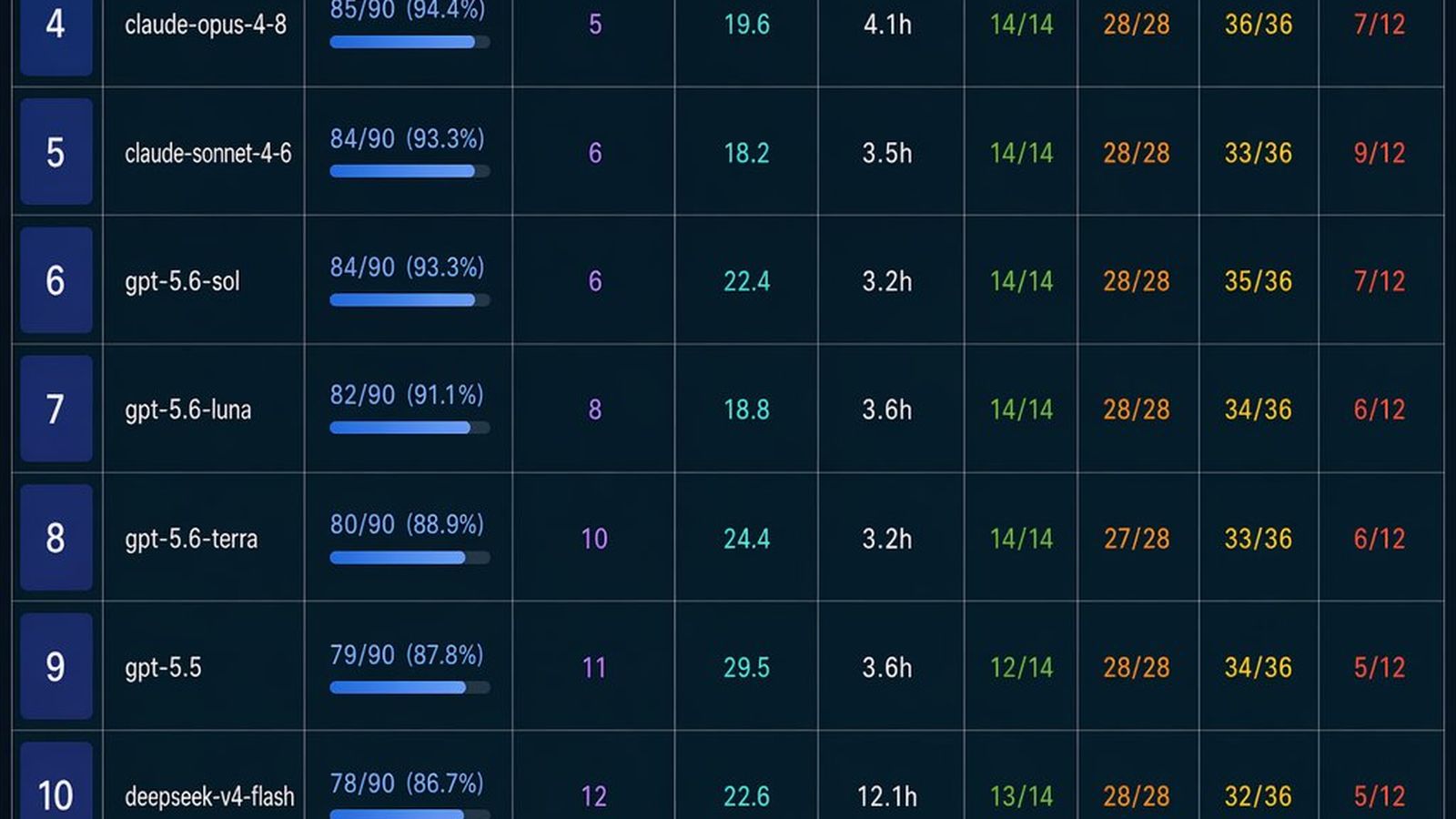
SpaceXAI, the artificial intelligence division of SpaceX, has officially launched Grok 4.5, a move that signals a tactical shift in the competitive landscape of generative AI. By positioning the new model as a high-efficiency tool for coding and agentic tasks, Elon Musk is challenging the dominance of Anthropic and OpenAI not through benchmark supremacy, but through aggressive inference economics.
Grok 4.5, which debuted on July 8, 2026, was developed in collaboration with Cursor, the coding-assistant startup acquired by SpaceX in a $60 billion all-stock deal earlier this year. The model is built on the new V9 foundation, featuring approximately 1.5 trillion parameters. According to SpaceXAI, the model is designed to handle complex agentic workflows—such as bug detection, code repair, and system testing—with a focus on token efficiency.
The Economics of Inference
For enterprise users, the primary appeal of Grok 4.5 lies in its pricing structure. Priced at $2 per million input tokens and $6 per million output tokens, the model significantly undercuts competitors like Anthropic’s Claude Opus 4.8, which charges $5 and $25 respectively. While OpenAI’s GPT-5.6 Luna matches the $6 output price, the broader efficiency metrics reported by developers suggest that Grok 4.5 requires fewer tokens to complete equivalent tasks.
“Token efficiency has become a first-class procurement variable because output volume, more than list price, drives what agentic workloads cost,” said Mitch Ashley, VP at The Futurum Group. “Model selection now belongs inside platform engineering as a managed portfolio decision, with cost per verified outcome as the metric that matters.”
Strategic Implications
Musk has openly acknowledged that while Anthropic’s models may hold an edge in raw performance on certain benchmarks, Grok 4.5 provides a “good enough” solution that is faster and more cost-effective for daily engineering operations. This strategy aims to capture the market of mid-sized engineering teams facing “token bill shock” as they scale their use of autonomous coding agents.
Despite the technical promise, SpaceX stock has faced volatility, reflecting investor skepticism regarding the company’s rapid transition into a public AI-focused entity. The success of Grok 4.5 will likely depend on whether its cost advantage can translate into sustained revenue growth before Wall Street’s patience with the post-IPO drawdown wears thin.