


Stabilization and Departure
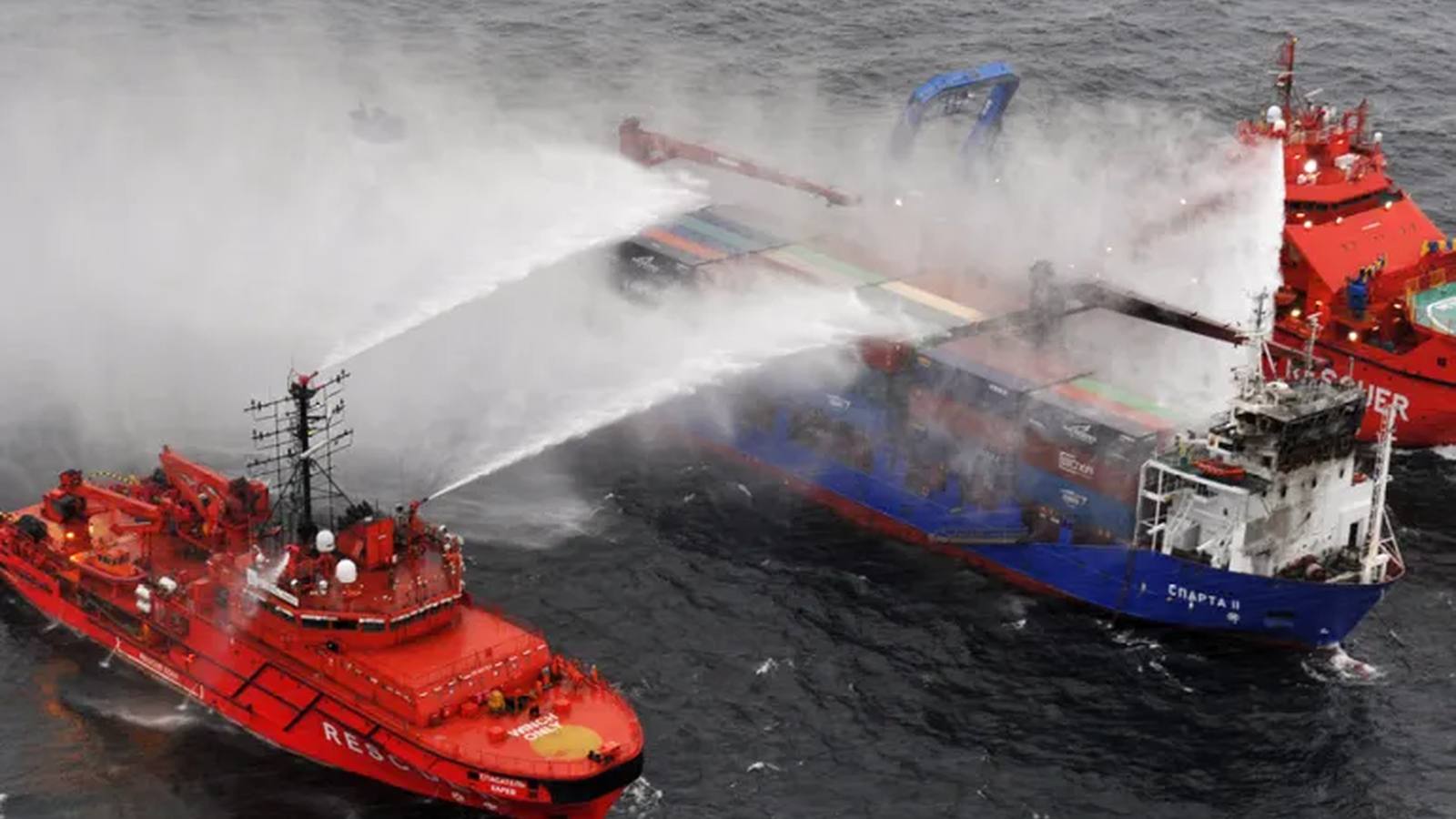
On Sunday, November 22, 2026, the Russian cargo vessel Sparta II was successfully towed out of Finland’s economic zone, concluding a complex, multi-day maritime rescue operation. The Finnish Border Guard confirmed that the vessel, which had been immobilized following a drone strike, was transferred to Russian control after being stabilized for transport, as reported in an article published by The Financial. The departure marked the end of an emergency response that brought together naval and rescue assets from Finland, Estonia, and Russia, despite the ongoing geopolitical tensions surrounding the war in Ukraine.
The 121-meter vessel, operated by Oboronlogistika—a logistics entity linked to the Russian Ministry of Defense—was en route from St. Petersburg to the Baltic exclave of Kaliningrad when it was struck by two drones on November 21, 2026, west of Gogland Island in the Gulf of Finland. The resulting fire disabled the ship’s maneuverability, causing it to drift into Finnish territorial waters. Following the incident, all sixteen crew members were safely evacuated, with only one minor injury reported, according to The Financial.
A Rare Cooperative Response
The incident necessitated an unusual degree of operational cooperation between NATO member states and Russia. The Finnish Border Guard coordinated the response, utilizing its patrol vessel Uisko, surveillance aircraft, and helicopters to monitor the scene. Estonia contributed the vessel Kindral Kurvits to assist in firefighting and containment efforts. The Russian rescue vessel Murman eventually assumed the lead in towing the damaged ship once it was deemed stable enough for transit beyond Finland’s maritime rescue responsibility area.
The firefighting effort was complicated by the need to manage the vessel’s stability. Authorities had to carefully regulate the volume of water used to extinguish the blaze, as excessive accumulation within the hull threatened to sink the listing ship. Finnish Interior Minister Mari Rantanen noted that the prompt response successfully mitigated the risk of environmental catastrophe in the Gulf of Finland, as no fuel or hazardous substance leaks were detected during the operation.
Geopolitical and Security Stakes
While the immediate maritime crisis has been resolved, the incident underscores the growing vulnerability of military-linked logistics in the Baltic Sea. The strike on Sparta II is viewed by analysts as part of a broader strategic effort to disrupt Russian supply chains that support the ongoing war in Ukraine. Professor Katarzyna Zysk of the Norwegian Defence University College told NRK, in comments cited by The Financial, that such an attack fits a pattern of targeting Russia’s logistical capacity to sustain its military operations.
The involvement of NATO-aligned rescue assets in an operation to salvage a Russian military-linked vessel highlights the dual nature of maritime safety obligations. Under international maritime law, rescue responsibilities are prioritized regardless of the political affiliation of the vessel in distress. However, the presence of these assets in the Gulf of Finland—an area already characterized by heightened surveillance and military posturing—adds a layer of complexity to regional maritime security. The incident also coincided with a separate investigation by Finnish authorities into a suspected violation of their sovereign airspace by an aircraft, suggesting that the maritime incident occurred against a backdrop of wider regional friction.
Next Steps and Surveillance
With the Sparta II now outside of Finnish jurisdiction, the maritime and aviation restrictions previously imposed around the incident site have been lifted. The Finnish Border Guard has transitioned from active rescue mode to monitoring, though the investigation into the circumstances of the drone strike remains a matter for relevant national security agencies. The long-term impact of this incident on regional shipping routes and the security protocols for vessels traversing the Baltic remains a subject of ongoing concern for Baltic Sea littoral states.