


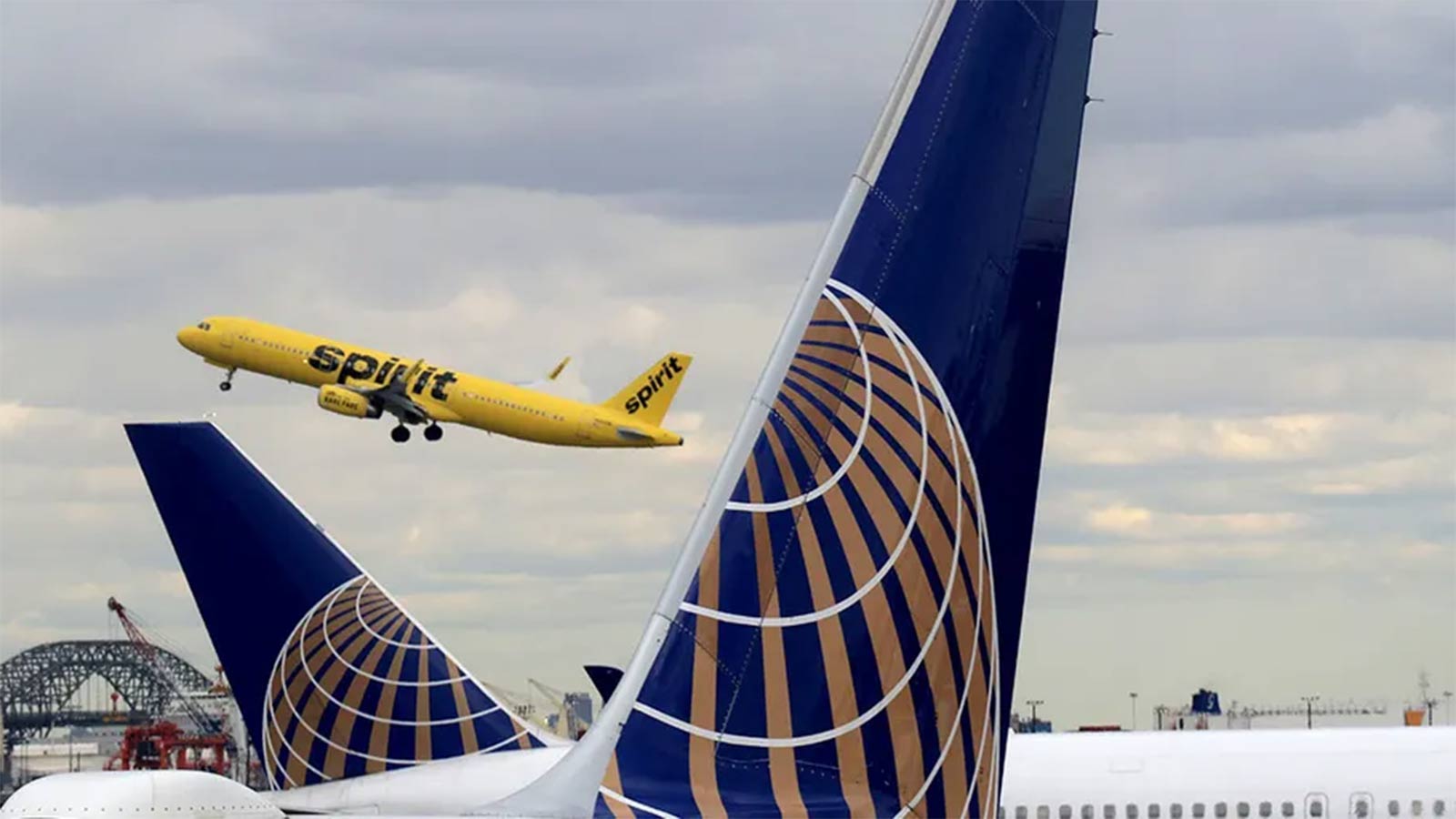
Spirit Airlines, the U.S.-based budget airline known for its ultra-low-cost model, is facing significant challenges after filing for bankruptcy. The announcement, made on September 6, 2025, has sent ripples across the airline industry, especially as Spirit concurrently confirmed the cancellation of 11 domestic routes. The move highlights the financial struggles of the airline and raises questions about its future in an increasingly competitive market.
Bankruptcy Announcement and Route Cancellations
On September 6, 2025, Spirit Airlines officially filed for Chapter 11 bankruptcy protection. According to WCNC, this development led to the immediate cancellation of 11 U.S. routes, impacting major hubs and smaller regional airports alike. These cancellations come as the airline attempts to restructure its finances amid rising operational costs and reduced passenger demand. The affected routes include services from Orlando, Dallas, and other key cities that have long been part of Spirit’s domestic network.
The decision to cancel routes is a stark contrast to the airline’s previous aggressive expansion strategy. Experts suggest that Spirit’s financial woes stem from a combination of factors, including increased fuel prices, labor shortages, and growing competition from both low-cost carriers and major airlines. The bankruptcy filing allows Spirit some breathing room to renegotiate contracts and potentially seek new investment to stabilize its operations.
Competition Heats Up: Frontier Airlines Expands
While Spirit Airlines is scaling back, its competitor Frontier Airlines is seizing the opportunity to expand. According to Travel and Tour World, Frontier recently announced 22 new routes, including its first-ever flights to Providenciales in Turks and Caicos. This aggressive expansion is designed to capture market share left behind by Spirit’s retrenchment and attract travelers seeking affordable options for both domestic and international destinations.
Frontier’s new routes also include services to Nassau, Bahamas, and San Salvador, El Salvador, as well as domestic destinations like Memphis and Milwaukee. Starting in December 2025, these additions will position Frontier as a dominant player in the low-cost carrier market, further intensifying competition. Analysts believe that Frontier’s moves could significantly reshape the budget airline landscape, as it continues to invest in routes and markets that Spirit is exiting.
The Broader Impact on Passengers and the Industry
For passengers, Spirit Airlines’ bankruptcy and route cancellations represent both challenges and opportunities. While some travelers may face inconveniences due to reduced flight options, others may benefit from Frontier’s expanded network and competitive pricing. However, the long-term implications for the airline industry are more complex.
Spirit’s financial struggles highlight the difficulties of operating in the low-cost carrier segment, where profit margins are razor-thin and external factors like fuel costs can have an outsized impact. At the same time, the aggressive growth of competitors like Frontier demonstrates the potential for success in this space, provided airlines can adapt to changing market dynamics.
Additionally, Spirit’s restructuring under bankruptcy protection could pave the way for a leaner, more focused operation. Industry experts suggest that Spirit might prioritize profitable routes and improve customer service to regain market confidence. However, achieving this turnaround will require significant effort, particularly in rebuilding trust with passengers and stakeholders.
What Lies Ahead for Spirit Airlines?
The future of Spirit Airlines remains uncertain. The bankruptcy process will determine whether the airline can emerge as a viable competitor or if it will be forced to downsize further. Potential outcomes include a merger with another airline, significant operational changes, or, in the worst-case scenario, a complete shutdown.
In the meantime, Spirit’s competitors are likely to continue capitalizing on its struggles. Frontier Airlines, in particular, has positioned itself as a strong alternative for budget-conscious travelers, and its recent expansions are likely to attract more passengers. For Spirit, the road ahead will require not only financial restructuring but also a clear strategy to differentiate itself in a crowded market.
As Spirit Airlines navigates its financial challenges, the airline industry is undergoing significant shifts. While Spirit’s future hangs in the balance, competitors like Frontier are reshaping the market, offering new opportunities for travelers and raising the stakes for all players involved.