


Major Prisoner Exchange Agreed
During U.S.-brokered peace negotiations held in Abu Dhabi, which concluded on November 11, 2026, representatives from Ukraine and Russia reached a significant agreement on a prisoner swap. According to reporting by NBC News, the exchange is expected to involve more than 1,000 individuals, marking a rare humanitarian breakthrough in an otherwise deadlocked diplomatic process. This development represents a tangible outcome from the recent high-level diplomatic sessions aimed at de-escalating the ongoing conflict, even as broader peace goals remain elusive.
NATO Membership and Territorial Proposals
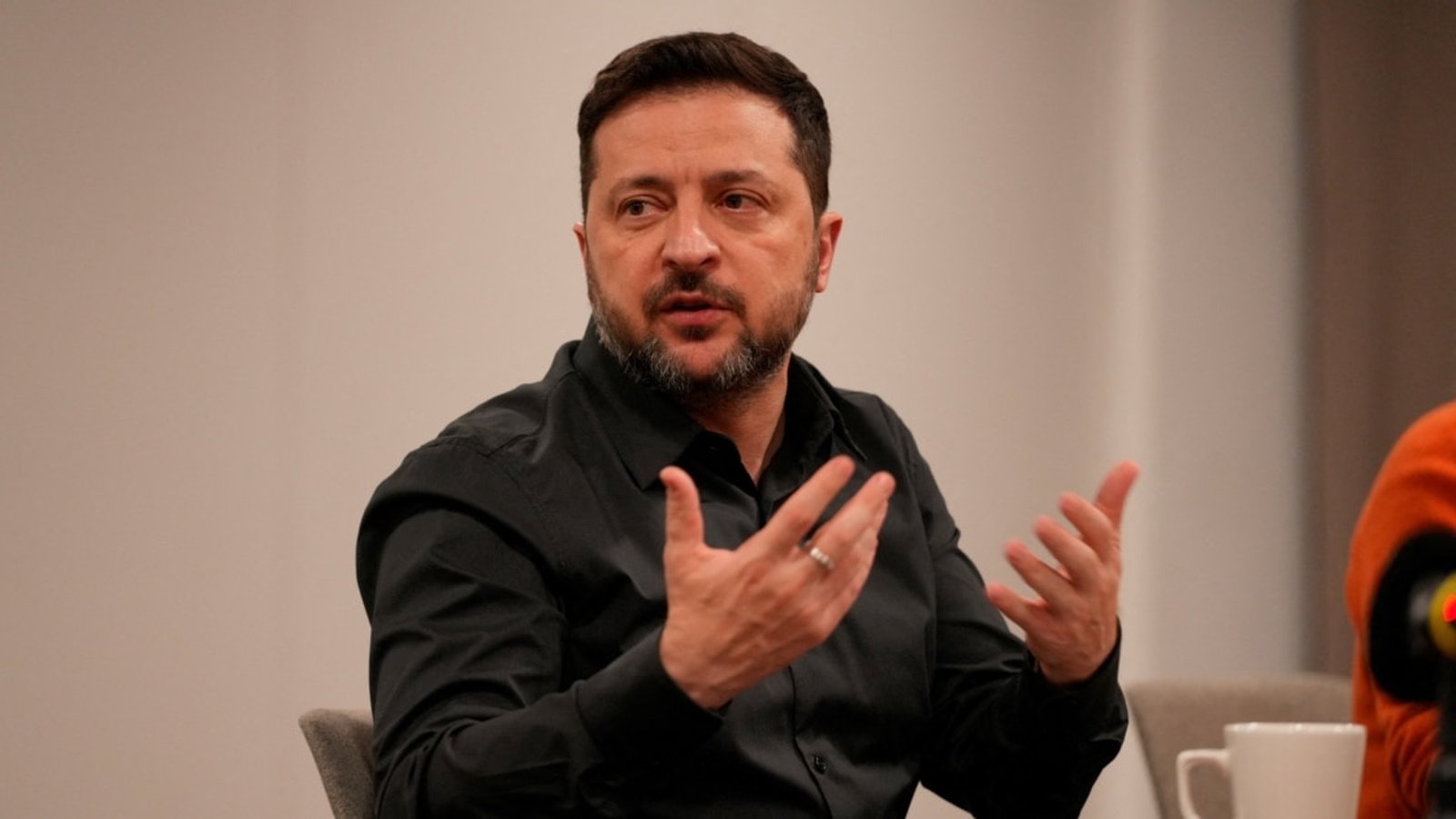
Alongside the humanitarian progress, Ukrainian President Volodymyr Zelenskyy disclosed on November 13, 2026, that U.S. negotiators have introduced a complex and controversial proposal regarding Ukraine’s future security architecture. In comments reported by Radio Free Europe/Radio Liberty, Zelenskyy revealed that American officials formally asked whether Kyiv would consider withdrawing its remaining forces from the eastern Donbas region—the Donetsk and Luhansk oblasts—in exchange for immediate NATO membership. This marks a significant shift in diplomatic rhetoric, as it is the first instance where the alliance’s potential membership has been explicitly linked to the relinquishment of sovereign territory.
The Donbas region remains a central theater of the conflict. While Russia has occupied substantial portions of these territories since 2014 and claimed formal annexation in 2022, Kyiv has consistently maintained that these lands remain an integral part of Ukraine. Zelenskyy emphasized that while the proposal brings the prospect of NATO integration back to the forefront of the diplomatic agenda, any such arrangement would be fraught with profound political and legal challenges. He noted that the inquiry from U.S. envoys, including Jared Kushner and Steve Witkoff, represents an attempt by Washington to explore Ukraine’s “red lines” regarding territorial integrity in the face of a stalled battlefield.
Institutional Stakes and Public Consensus
President Zelenskyy clarified that he lacks the unilateral authority to finalize such a decision. He noted that any potential deal involving territorial concessions would require a rigorous national referendum to ensure public consensus. The president underscored that despite the intense pressure of the ongoing war, his administration remains committed to the principle that Ukraine will not formally recognize any Russian sovereignty over occupied lands. The proposal effectively forces a precarious debate between the immediate necessity of security guarantees and the long-term preservation of territorial integrity. Zelenskyy indicated that he would present the pros and cons of such an arrangement to the Ukrainian people, should a concrete, comprehensive security package be finalized.
The geopolitical implications are extensive and remain highly contentious. For Washington, the move appears to be a strategic attempt to break the current battlefield stalemate by offering a definitive security umbrella in return for a compromise that aligns with some of Moscow’s stated objectives. However, the Kremlin has historically maintained that Ukraine’s integration into NATO is a “red line” and continues to insist on a neutral status for Kyiv. As the fifth winter of the war approaches, Russia continues to target critical energy infrastructure, attempting to leverage civilian hardship to force diplomatic concessions. Recent strikes in Zaporizhzhia, which left at least 22 people injured, underscore the ongoing volatility.
The Path Forward and Diplomatic Hurdles
The situation remains fluid. While the prisoner exchange provides a rare moment of cooperation, the broader peace process is hindered by the fundamental disagreement over the status of the eastern territories. Zelenskyy stated that the Ukrainian government is currently waiting for more specific details regarding the security guarantees that would accompany such a deal, noting that the discussion is still in its preliminary stages. Furthermore, Ukraine has rejected Russian calls for a broad agreement on a new European security architecture before addressing the immediate end to the fighting, insisting that the war must be halted first.
Diplomatic efforts are evolving to include a broader coalition. Following meetings in Ireland on November 14, 2026, European leaders have agreed that the continent’s representation in future peace talks will include a team comprising Britain, France, Germany, Italy, and Poland, alongside E.U. officials. This expansion of the negotiation table reflects the stakes involved for European security. Meanwhile, the Kremlin continues to demand territorial concessions beyond what its forces currently occupy, including the Crimean Peninsula. As President Zelenskyy weighs the potential for NATO membership against the costs of territorial loss, the conflict remains defined by the tension between the urgent need for safety and the absolute necessity of maintaining national sovereignty.
The U.S. envoys have continued their shuttle diplomacy, meeting with both Russian and Ukrainian leadership to gauge the feasibility of a deal. Despite these efforts, public statements from the Kremlin suggest that Russia’s position remains rigid, with officials continuing to demand limits on the size of the Ukrainian military and guaranteed neutrality. Ukraine remains skeptical of these demands, fearing that any constraints would severely hamper its ability to defend itself against future incursions. Consequently, while the promise of a prisoner exchange offers a glimmer of hope for families separated by the conflict, the core issues of the war—territory, sovereignty, and international security guarantees—remain unresolved, leaving the nation in a state of high-stakes uncertainty as winter sets in.
Reporting source: rferl.org.