


Escalating Maritime Risks in the Strait of Hormuz
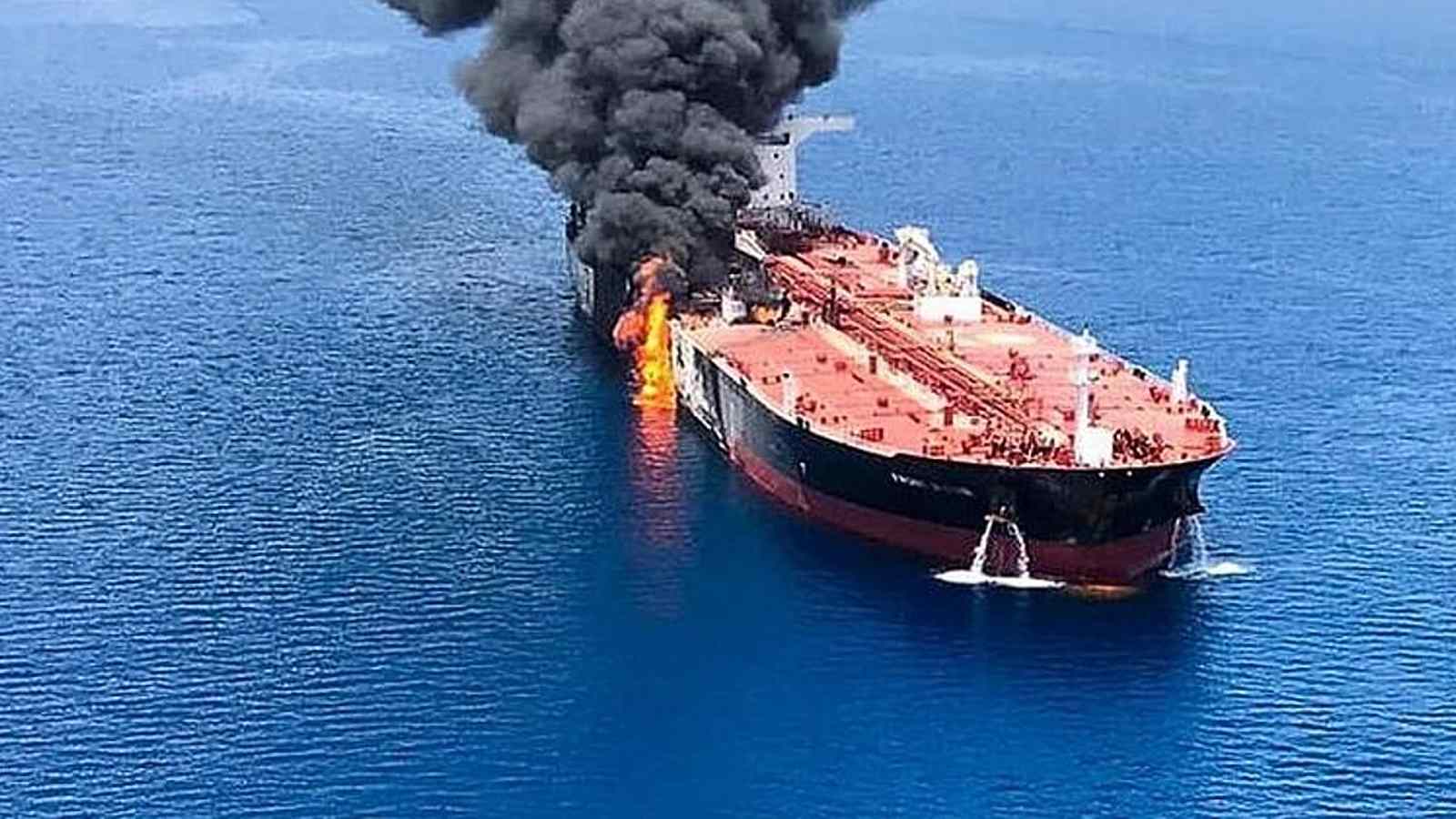
On Saturday, November 21, 2026, two commercial tankers were struck while transiting the Strait of Hormuz, according to reports from the British maritime agency UKMTO. One vessel, traveling outbound, was hit on the stern by an unknown projectile, while a second tanker sustained damage to its engine room. No casualties have been reported in the incident. These strikes occur against a backdrop of intensifying regional conflict that has transformed the world’s most critical maritime energy corridor into a high-risk zone. Before the broader Middle East war began in February 2026, the Strait of Hormuz facilitated the transport of one-fifth of the world’s oil and natural gas. Following the initiation of U.S.-Israeli strikes on Iran that month, Tehran implemented a lockdown of the waterway, frequently targeting vessels that attempt to transit without authorization.
Data compiled by maritime organizations, including the UKMTO and the International Maritime Organization (IMO), indicates that the frequency of these attacks has reached its highest level since the war began. The UKMTO recorded 31 attacks in the region throughout October and approximately 19 in November as of the 18th, representing a marked surge compared to the 53 total incidents reported between March and September of this year. The IMO provides a slightly more conservative tally, confirming 34 attacks in October and November to date, yet this figure still reflects a significant escalation from the roughly 50 incidents recorded between March and September. Since the conflict’s inception, the IMO has documented 138 total attacks on vessels across the Middle East, underscoring a systemic shift in maritime security where current naval escort strategies struggle to mitigate the persistent threats posed to global energy supply chains.
Strategic Objectives and Tactical Evolution
Analysts suggest these attacks are part of a calculated campaign by Tehran to exert economic pressure on Washington and its partners. According to Noam Raydan, a senior fellow at the Washington Institute for Near East Policy, Iran’s objective is to maintain the Omani route—often utilized as a U.S.-facilitated passage—as a high-risk corridor to ensure energy recovery remains inconsistent. Hamidreza Azizi of the International Crisis Group noted that while the U.S. and its partners have implemented workarounds, such as “ship-to-ship” (STS) transfers, Tehran is increasingly targeting these logistics to make the process more costly and unreliable.
The conflict has evolved into a cycle of adaptation and counter-adaptation. Sina Toossi, a senior fellow at the Center for International Policy, explained that Iran aims to demonstrate that normal oil exports cannot persist while the U.S. maintains its blockade of Iranian ports, which has been in place since April 13, 2026, with a brief mid-summer pause. By escalating attacks, Tehran seeks to force a change in U.S. policy. This strategy is not limited to ships actively transiting the strait; on November 8, satellite imagery verified by ABC News confirmed an Iranian strike on the Omani island of Didamar, which hosts critical navigation and communications infrastructure. Iranian state media described the target as “enemy navigation aid systems.”
Furthermore, incidents involving idle tankers demonstrate that Iranian assets are targeting vessels even outside the direct transit lanes. In early October, the Panama-flagged supertanker Gem No. 2 was attacked while idle off the coast of the United Arab Emirates. Despite being outside the strait, the vessel was struck by drones on October 9 and 10, resulting in a fire and forced evacuation. While the IRGC claimed the ship hit a naval mine while on an “unauthorized” route, wreckage retrieved from the scene was identified by drone warfare researcher Fabian Hinz as a jet-powered Hadid-110, an Iranian-manufactured system.
The Failure of Current Security Arrangements
The persistence of these attacks, despite the presence of U.S.-led naval escorts, highlights the limitations of current defensive measures. The U.S. naval blockade, which began in April 2026, has been met with persistent Iranian countermeasures, including the use of drones and naval mines. As Iran continues to prioritize the disruption of large oil tankers, the operational cost of securing the Strait of Hormuz continues to climb. Samir Madani, co-founder of TankerTrackers.com, noted that vessels with active tracking systems are particularly vulnerable to identification and targeting.
Both Azizi and Toossi describe Iran’s current tactical posture as having a clear “strategic logic.” The broader goal, according to analysts, is to prove that the United States cannot guarantee maritime security in the Persian Gulf despite its overwhelming naval superiority. The danger, Toossi warns, is that this escalating contest will produce a much wider disruption of regional shipping and energy infrastructure, with potentially devastating consequences for the global economy. As the conflict continues, the reliance on high-risk passages along the Omani coastline has made tankers increasingly exposed to these evolving threats, forcing commercial operators to contend with a reality where established naval protection is no longer a guarantee of safe passage.
Reporting source: gulfnews.com.