


A Survivor’s Testimony
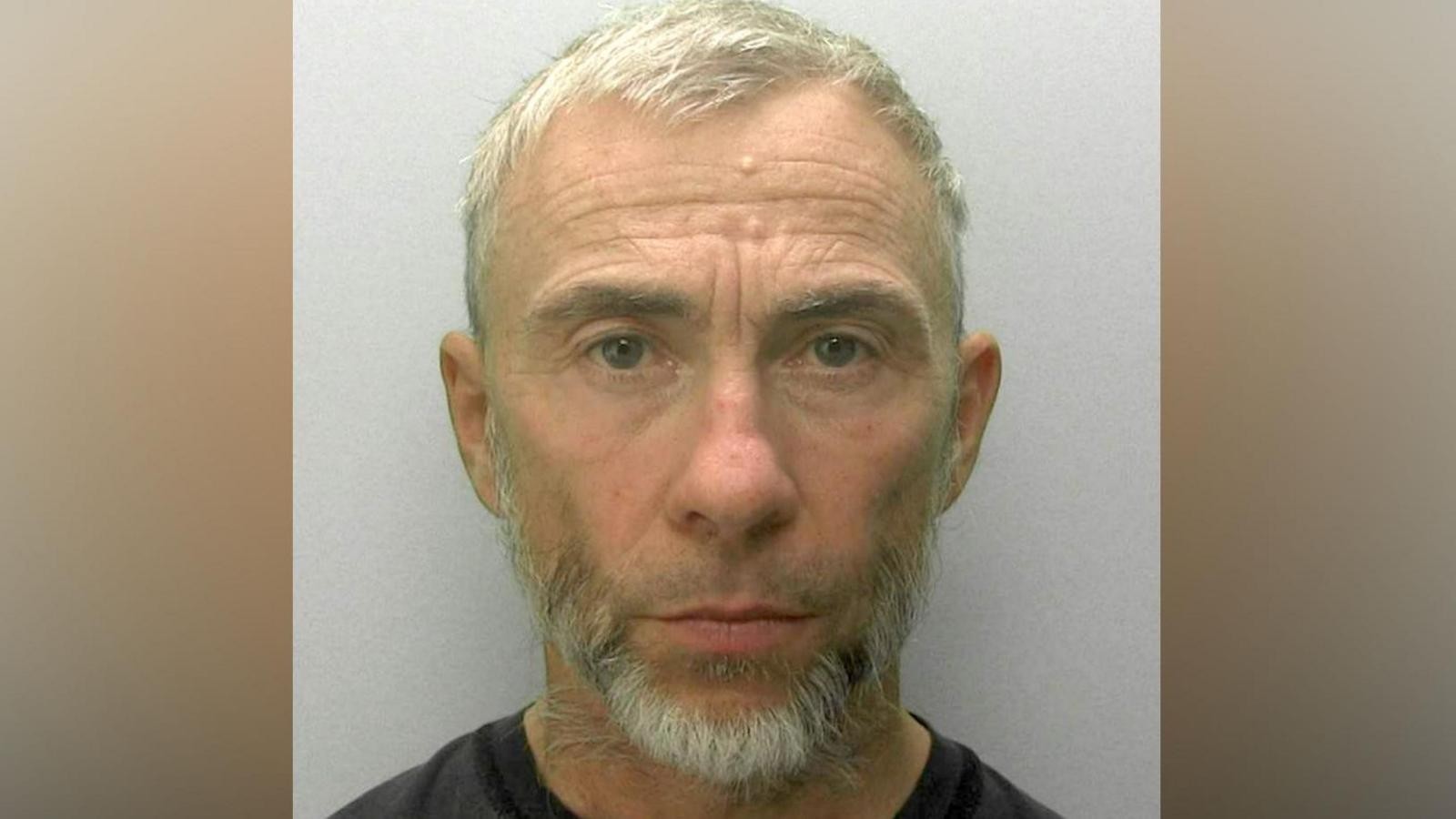
In a significant move toward accountability, a woman identified as ‘Gemma’ has publicly waived her anonymity to detail the trauma of being raped by former Superdry co-founder James Holder in 2022. Her testimony, provided in an exclusive interview with the BBC, follows Holder’s sentencing in May 2026 to eight years in prison for the assault.
Gemma, who worked for a company launched by Holder after his departure from Superdry, described the harrowing experience of returning to work just days after the attack. She recounted a professional environment where Holder wielded immense power, creating a culture she described as ‘controlling’ and one where he was ‘accountable to no one.’
Systemic Vulnerability in Fashion
The case has sparked a broader conversation regarding the power dynamics prevalent in the fashion industry. Gemma noted that the sector’s leadership structures, which remain heavily male-dominated, often create environments where senior executives can exploit their influence over subordinates. ‘There’s a level of control and there’s a level of power and trust that just gets completely exploited,’ she stated.
Her account highlights the dangerous intersection of professional dependence and personal safety. As the victim noted, the fear of losing one’s livelihood acted as a barrier to reporting the crime. It was only when the company entered liquidation—effectively removing Holder’s position as her employer—that she felt secure enough to pursue justice through the Gloucestershire Police.
Institutional Accountability
The conviction of a high-profile figure like Holder serves as a stark reminder that status and wealth do not grant immunity from the law. Detective Constable Elle MacLeod of the Gloucestershire Police emphasized that the investigation aimed to show that no individual is above the law, regardless of their position. Superdry, in a statement, clarified that Holder had ended his formal association with the brand years prior to the 2022 incident.
Gemma’s decision to speak out is intended to empower other survivors and challenge the culture of silence that frequently surrounds sexual violence in high-pressure corporate environments. By framing her experience within the context of industry-wide patterns, she has shifted the focus from a singular criminal act to the systemic reforms necessary to protect employees from those who abuse their professional authority.